
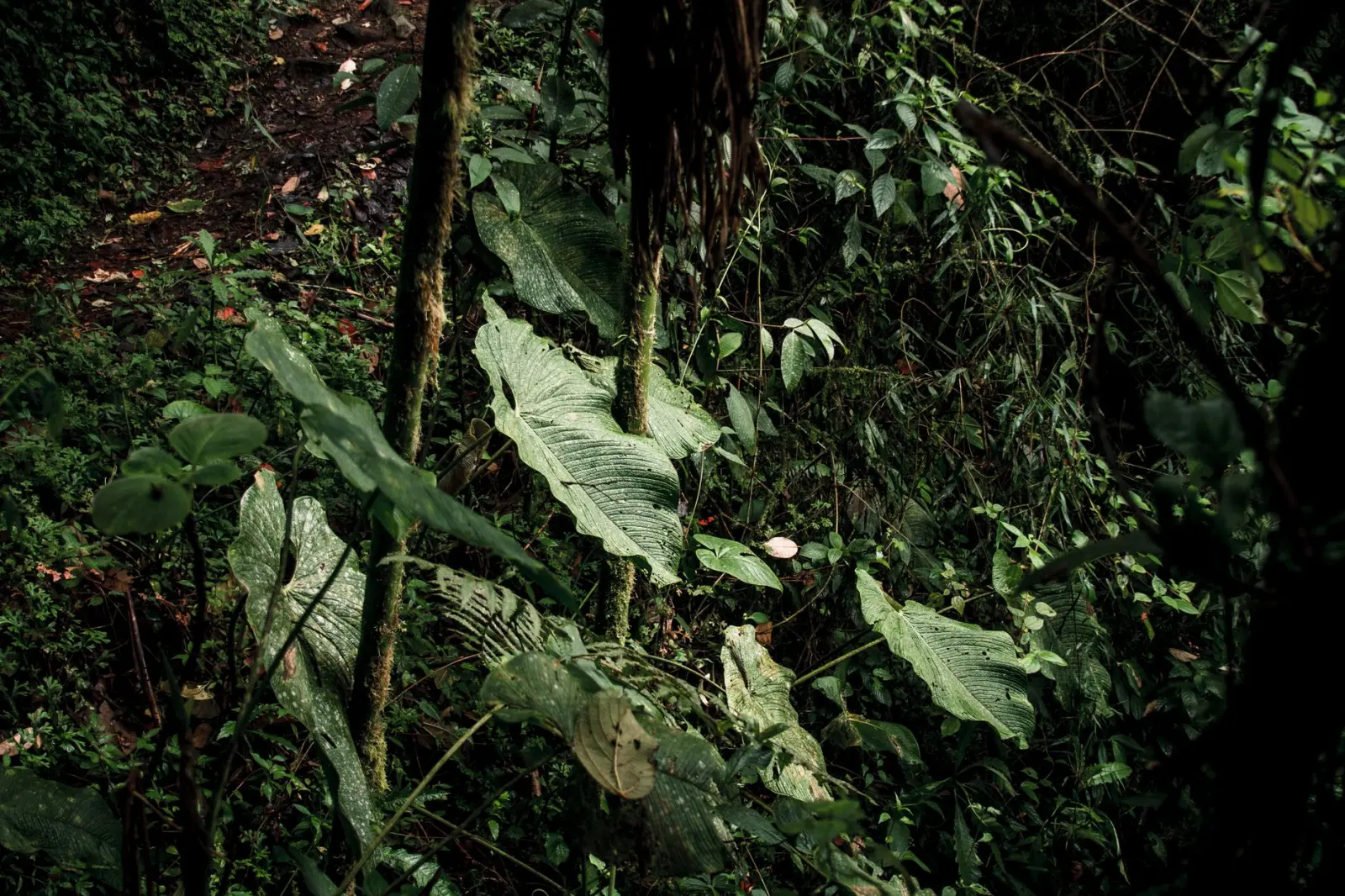
Spend enough time walking through a rainforest, and you stop noticing the canopy first. Instead, your attention drops to what’s underfoot. The leaf litter – that thick, damp accumulation of decomposing vegetation covering the forest floor – is where the actual work of the rainforest happens. Most visitors and even some researchers treat it as scenery. It’s not. It’s the foundation.
The depth of this litter layer varies depending on rainfall, temperature, and forest age, but in mature tropical systems it can reach several inches thick. What strikes you when you’re actually working in these forests is how alive it feels. Not in a metaphorical sense. Push your hand into it and you’re moving through a substrate that’s actively breaking down, warming slightly from microbial activity, and teeming with organisms at every scale. The smell alone – that rich, almost sweet decay – tells you something significant is occurring.
The mechanics are straightforward in theory but complex in practice. Leaves fall continuously in the tropics, unlike temperate forests with their seasonal drop. This means decomposition happens year-round, and the forest never enters a dormant phase. Fungi and bacteria colonize fallen leaves within days. Arthropods – springtails, mites, millipedes, beetles – move in and fragment the material. Each organism is extracting energy and nutrients, but in doing so, they’re also transforming the leaf into something the soil can use.
Nutrient Cycling in Action
What most people don’t grasp about tropical rainforests is that the soil itself is often surprisingly poor. The popular image of lush vegetation growing in rich earth is misleading. Many rainforest soils are actually acidic and nutrient-depleted. The reason the forest thrives anyway is because the nutrients aren’t stored in the soil – they’re locked in the living biomass above ground and cycling rapidly through the litter layer.
When a leaf falls, it contains nitrogen, phosphorus, potassium, and trace minerals the tree extracted from the soil during growth. In a temperate forest, that nutrient might sit in the litter for months or years. In a rainforest, it’s being recycled back into available form within weeks. The fungi breaking down cellulose and lignin are simultaneously releasing these elements in forms that plant roots can absorb. This is why rainforests can maintain such extraordinary productivity on soils that would support only sparse vegetation elsewhere.
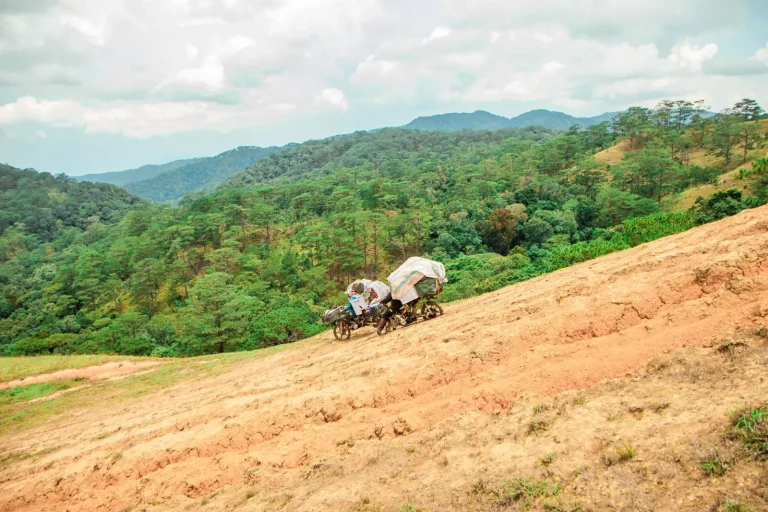
I’ve observed this cycle interrupted in degraded areas. Where logging or agricultural clearing has removed the canopy, the litter layer dries out. Without shade and moisture, decomposition slows dramatically. The fungi retreat. The nutrient cycling stalls. Within a season or two, the remaining vegetation shows signs of stress – yellowing leaves, reduced growth – even though the soil hasn’t technically changed. The system has simply lost its ability to function.
The Invertebrate Web
The litter layer is also where the foundation of the food web begins. Detritivores – organisms that feed on dead material – are often invisible to casual observation but absolutely critical. Millipedes, for instance, are far more abundant in rainforest litter than most people realize. A single square meter can contain dozens of them, each one processing leaf material and excreting nutrient-rich waste that becomes available to plants and microbes.
Beneath the millipedes and visible arthropods is an even denser layer of microscopic life. Nematodes, protozoa, and bacteria exist in concentrations that are genuinely difficult to visualize. These organisms are competing, predating on one another, and collectively determining how quickly nutrients move from dead organic matter into forms plants can use. A handful of forest litter contains more organisms than there are people on Earth.
Salamanders, caecilians, and small frogs depend almost entirely on the invertebrate populations in the litter. These amphibians are often the most abundant vertebrates in a rainforest, yet they’re rarely counted in biodiversity surveys because they’re cryptic and small. Their presence, however, is an indicator of litter health. Where the litter layer is intact and moist, these animals thrive. Where it’s been disrupted, they vanish within a season.
Water and Temperature Regulation
The litter layer also functions as a massive moisture buffer. Rainforest soils would dry out far more quickly without this organic blanket insulating them from sun and wind. The layer absorbs water during heavy rainfall, holding it in the organic matrix, and releases it slowly to the soil below. This creates relatively stable moisture conditions that allow both plant roots and soil organisms to function consistently.
Temperature regulation works similarly. The litter keeps the soil cooler during the day and warmer at night than it would be if exposed. In a tropical environment where temperatures are already high, this buffering effect is significant. It allows soil organisms to remain active without experiencing the kind of thermal stress that would occur if they were exposed directly to sunlight. The darker color of the litter also helps – it absorbs heat but distributes it gradually rather than allowing sharp temperature spikes.
I’ve measured soil temperatures in cleared areas versus intact forest. The difference is striking. Under intact litter, soil temperatures remain relatively constant throughout the day. In cleared areas, even with grass cover, temperatures fluctuate by 10 – 15 degrees Celsius between morning and afternoon. This kind of variation is stressful for soil organisms and slows decomposition, creating a feedback loop where nutrient cycling becomes even less efficient.
What Happens When Litter Systems Fail
The most telling observation comes from watching what happens in the months after forest disturbance. When a large tree falls naturally, the litter layer is disrupted locally, but the surrounding forest quickly recolonizes the gap. Fungi and invertebrates move in, and decomposition of the fallen wood begins. The system absorbs the disturbance.
When humans clear forest, the litter layer is removed entirely – burned, buried, or dispersed. The exposed soil begins to erode. Compaction from machinery or foot traffic destroys the structure that allows water infiltration and root penetration. Without the litter layer’s protective cover and nutrient cycling function, the soil begins to degrade. Erosion accelerates during heavy rains. Nutrient leaching increases. Within a few years, the soil that supported a rainforest can become nearly sterile.
Recovery is possible, but it’s slow. Restoration efforts that focus only on replanting trees often fail because they ignore the litter system. A newly planted seedling in degraded soil struggles because the nutrient cycling infrastructure is gone. The most successful restoration projects I’ve seen are those that actively rebuild the litter layer – by importing organic matter, protecting young growth from disturbance, and allowing decomposer communities to reestablish themselves.
The leaf litter of a rainforest isn’t a byproduct of the forest’s productivity. It’s the engine that drives it. Understanding this changes how you see tropical ecosystems and why their protection matters beyond the obvious appeal of biodiversity. The forest floor is where the work happens.