
Tully Gorge sits in one of Australia’s wettest regions, and that fact shapes everything about moving through its forests. The canopy is dense, the ground stays damp for most of the year, and the vegetation has a particular character that doesn’t match what most people expect from a Queensland walk. After multiple visits across different seasons, the forest here behaves in ways that are worth understanding before you commit time and energy to exploring it.
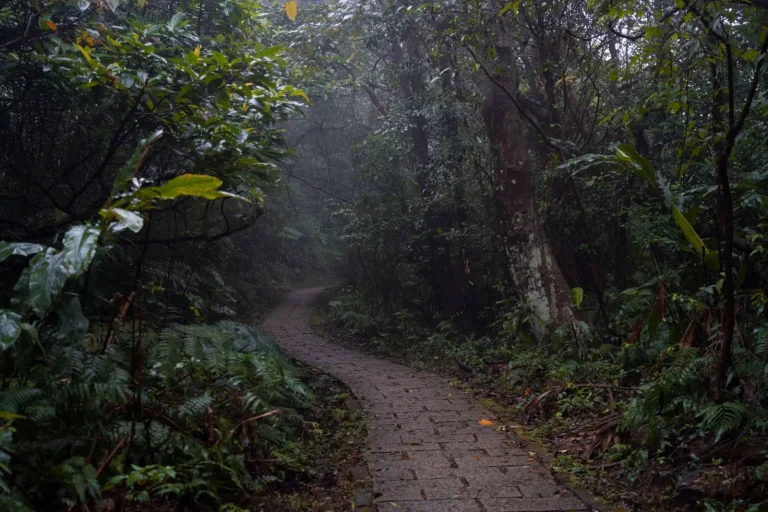
The gorge itself is manageable – the main track is well-marked and the river crossing is straightforward when water levels are normal. But the surrounding forest is where the real navigation happens. This isn’t dry eucalyptus woodland. The rainforest around Tully Gorge is dense, layered, and the ground cover changes depending on rainfall and season. In the wetter months, what looks like solid ground can be spongy underfoot. Fallen trees create natural obstacles that force you to choose between climbing over, ducking under, or finding a way around. The track itself is sometimes difficult to distinguish from the surrounding vegetation.
Water, Mud, and Seasonal Shifts
The single biggest factor affecting forest exploration here is water. Tully receives over 4,000 millimeters of rain annually, concentrated heavily in the summer months. This means the forest floor is almost perpetually moist, and after heavy rain, sections become genuinely boggy. Mud doesn’t just make walking slower – it changes how the forest feels underfoot and how much energy you expend. A walk that might take two hours in drier conditions can stretch to three or more when the ground is waterlogged.
The wet season, roughly December through March, transforms the forest. Creeks that are barely noticeable in winter become flowing streams. The vegetation becomes more aggressive – moss and liverwort growth accelerates, rocks become slippery, and the canopy drips constantly even when it’s not actively raining. If you’re planning to explore deeper into the forest away from the main gorge track, timing matters enormously. Walking in March or April gives you the benefit of recent rainfall keeping the landscape lush without the intensity of mid-summer. By August and September, the forest dries out noticeably, though it never becomes truly dry.
Visibility and Navigation Reality
The canopy density here is significant. On overcast days, which are common, the light filtering through is dim enough that you notice it. This affects not just visibility but also your sense of direction. The forest has a sameness to it – similar tree species, similar understory structure – that makes it easy to lose track of where you came from if you wander off the main paths. GPS works, but the tree coverage can cause signal issues, and relying on it alone is risky.
Most people stick to the marked main track, which is reasonable. But if you’re curious about side creeks or want to explore the forest deeper, you need to move deliberately. Mark your route mentally or physically – broken branches, cairns, or flagging tape if you’re doing serious exploration. The forest doesn’t punish carelessness immediately, but it does make you work harder to find your way back. I’ve seen walkers spend an extra hour retracing steps because the landscape looked different from a different angle.
Flora, Fauna, and What to Expect
The rainforest here supports wildlife that tends to stay hidden. You’re more likely to hear birds than see them – the forest is loud with birdcalls, particularly in early morning. Cassowaries inhabit the broader region, though encounters near the gorge itself are rare. Smaller animals – wallabies, possums, reptiles – are present but mostly nocturnal or crepuscular. The forest itself is the main feature, not the animals.
The vegetation includes strangler figs, brush box, and various palm species. Stinging trees exist in some rainforest areas in this region, though they’re not common along the main gorge track. Knowing what stinging tree leaves look like is worth five minutes of research before you go. The leaves are distinctive – large, heart-shaped, with a fuzzy appearance – and contact with the hairs causes a sting that can last hours. It’s not life-threatening, but it’s genuinely unpleasant.
Leeches appear during and after rain. They’re not dangerous, but they’re persistent and finding one attached to your leg or arm is unsettling if you’re not expecting it. Salt works to remove them, or you can simply pull them off – they don’t inject anything harmful. Wearing long pants and tucking them into socks reduces the likelihood significantly, though it’s uncomfortable in warm weather.
Physical Demands and Pacing
The forest around Tully Gorge isn’t technically difficult, but it’s physically demanding in ways that aren’t always obvious beforehand. The ground is uneven. Roots cross the path. Sections require you to step up and down frequently. This constant minor adjustments to your footing accumulate into fatigue faster than walking on even ground. A three-kilometer walk here feels longer than three kilometers on a flat track elsewhere.
The humidity is persistent. Even in the cooler months, the air is damp and thick. This affects how your body regulates temperature and how quickly you fatigue. You sweat more, you drink more, and your legs feel heavier than they should. Starting early and moving at a deliberate pace rather than trying to maintain speed is the practical approach. Most people underestimate how much water they need – carrying more than you think you’ll use is standard here.
The canopy provides shade, which is a genuine benefit in summer, but it also means the temperature doesn’t drop much even when the sun is lower. The forest stays warm and humid throughout the day. This affects how you feel in the afternoon – fatigue can arrive suddenly when you’re already tired from the humidity and uneven ground.
Exploring the forests around Tully Gorge rewards patience and realistic expectations. The landscape is beautiful precisely because of its density and complexity, but that same character demands respect for conditions and acknowledgment of what your body will experience. The forest doesn’t require technical skill, but it does require attention, adequate preparation, and honest assessment of your fitness and tolerance for sustained effort in humid, uneven terrain.