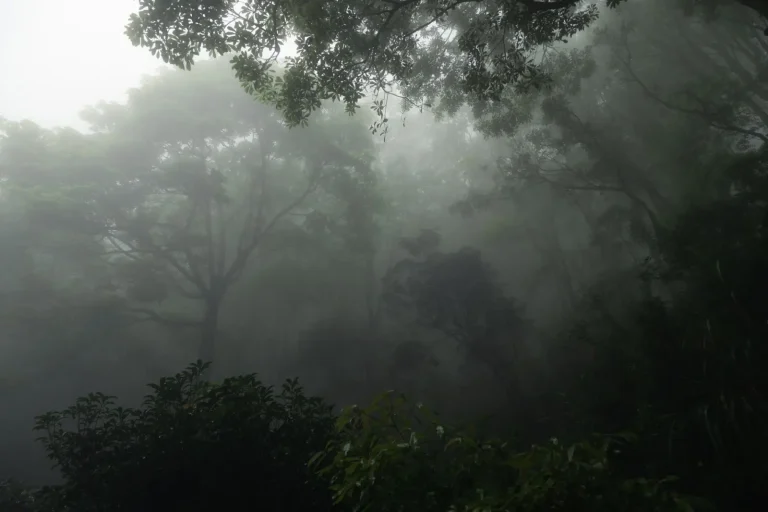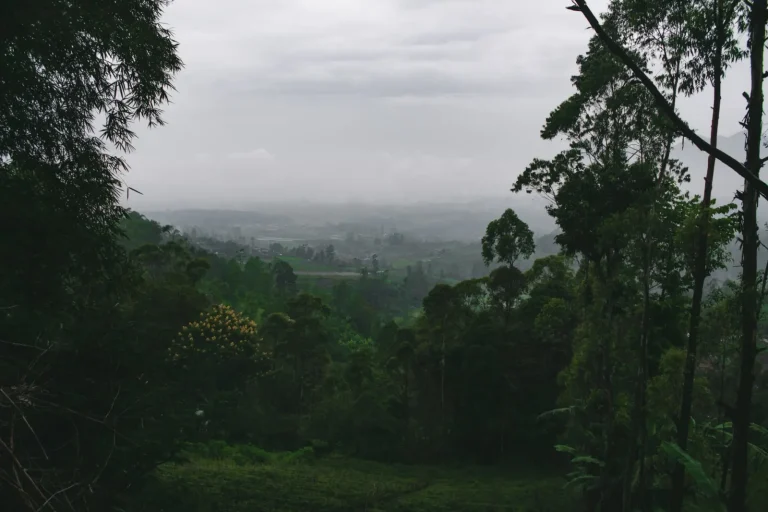

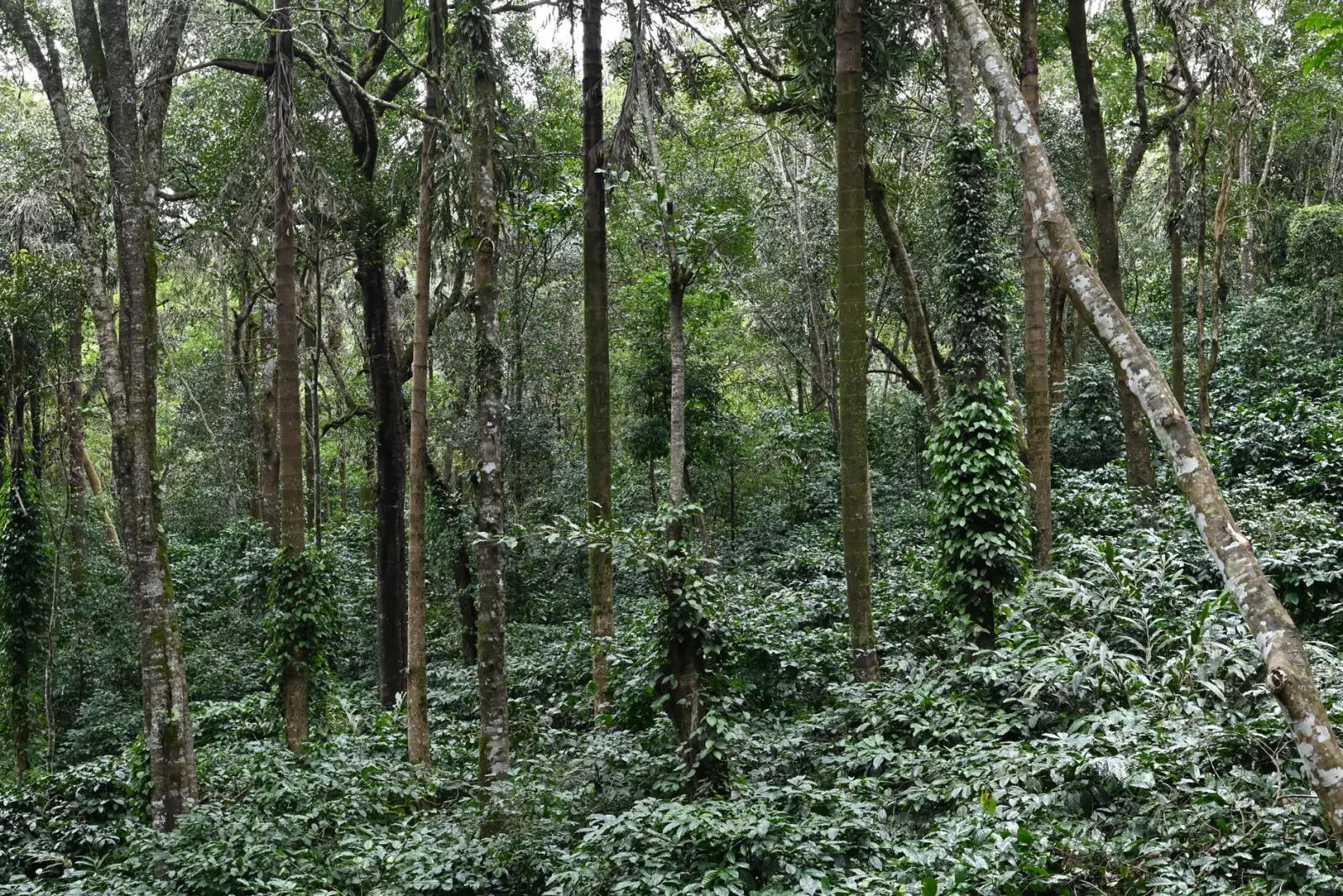
The rainforests of northern New South Wales occupy a peculiar position in Australian travel. They’re substantial enough to warrant serious attention, yet often overshadowed by their Queenslandish neighbours to the north. After spending considerable time moving through these landscapes – both for work and exploration – I’ve found that understanding them requires setting aside the postcard version and confronting what they actually present to a visitor on the ground.
These aren’t uniform forests. The region spans from the Coffs Harbour hinterland down through the Dorrigo plateau and across toward the New England tablelands. The vegetation changes markedly depending on altitude, rainfall patterns, and whether you’re on the windward or leeward side of the ranges. This variation matters far more than most people realize when they’re planning movement through the area. A walk that seems straightforward on a map can shift dramatically once you’re in it, because the forest density and terrain change in ways that don’t always show up in digital representations.
The moisture in these forests is relentless. This isn’t the dry heat of inland Australia. During the warmer months, humidity sits persistently high, and even when it’s not actively raining, the canopy drips for hours afterward. Clothing dries slowly. Gear corrodes. Camera equipment fogs. These aren’t minor inconveniences – they’re operational constraints that reshape how long you can realistically stay in any given location and what you can accomplish while there. I’ve watched people arrive with expectations shaped by temperate forest experiences elsewhere, only to find their pace grinding to a halt within a few hours because the physical demands of moving through humid, dense vegetation are simply different.
Access and Movement Through the Forest
The established walking trails through northern NSW rainforests are generally well-maintained, but “well-maintained” doesn’t mean easy. The Dorrigo Rainforest Centre and its surrounding network of walks offer the most developed infrastructure, but even these paths require genuine attention to footing. The forest floor is slick year-round. Exposed tree roots create a constant tripping hazard. After rain – which is frequent – sections become genuinely treacherous. I’ve seen fit, experienced walkers slip and go down hard on terrain that looked manageable in dry conditions.
The Coffs Harbour hinterland presents a different set of challenges. Trails like those around Dorrigo National Park and the Promised Land loop offer spectacular canopy views and creek systems, but they demand more navigation awareness than the more touristed areas. The forest closes in quickly. Mobile signal becomes unreliable. If you miss a turn, the consequences compound faster than they do on more open terrain. This isn’t a reason to avoid these areas, but it’s a reason to move through them with deliberation rather than momentum.
Getting between major rainforest zones requires vehicle time. The drive from Coffs Harbour to Dorrigo takes roughly ninety minutes through winding mountain roads. The Waterfall Way between Dorrigo and Armidale adds another two hours. These aren’t long distances, but the roads are narrow and often wet. Fatigue accumulates differently on mountain driving than on highways. I’ve noticed that people tend to underestimate how much these drives take out of them, then push into walking activities when they should be resting.
Seasonal Patterns and What They Mean
The rainforests here follow distinct seasonal rhythms that don’t always align with visitor expectations. The wet season runs from November through March, but “wet season” doesn’t mean constant rain. It means afternoon storms, high humidity, and trails that transition from damp to saturated within hours. Creek levels rise unpredictably. Some walking routes become genuinely unsafe during this period, not because of the rain itself but because of what happens to the terrain afterward.
The cooler months – May through August – offer the most stable walking conditions. Humidity drops. The forest is still lush, but the air moves through it more freely. However, these are also the months when visitor numbers peak, and the trails can become crowded, particularly around the Dorrigo Centre and popular Coffs Harbour loops. If solitude matters to your experience, you’re making a trade-off: better conditions but more people, or fewer visitors but more challenging terrain and weather.
Spring brings its own dynamic. September and October see the forest responding to warming temperatures. Vegetation growth accelerates. Insects become more active. The light quality shifts as the canopy fills in more densely. These months offer something different from winter visits – a sense of the forest in active transition – but they also bring higher humidity and the first serious storms of the building wet season.
What the Landscape Requires of You
Moving through northern NSW rainforests efficiently means accepting that your pace will be slower than you’d move through comparable terrain elsewhere. The canopy is dense enough that even on clear days, the light is muted. Your eyes take time to adjust. Footing requires constant attention. If you’re trying to cover distance, you’re working against the forest’s actual rhythm. The successful approach is to accept slower movement and use that as a feature rather than fighting it as a limitation.
Navigation tools matter more than many visitors assume. While the major trails are marked, the forest canopy is thick enough that GPS signals can be intermittent. Paper maps are useful, but they don’t always capture the current state of the terrain. Local knowledge – gathered from visitor centres or recent trip reports – tends to be more reliable than any single navigation tool. I’ve found that people who ask questions before setting out move more confidently than those who rely purely on technology.
Physical conditioning is worth considering honestly. These forests don’t require mountaineering skills, but they do require sustained aerobic capacity and leg strength. The terrain is uneven. The air is humid. The combination creates fatigue that sneaks up on people who are fit for flat-ground walking but haven’t trained for sustained uphill movement on unstable surfaces. This isn’t a warning so much as an observation: your fitness baseline matters more here than it does on many other Australian walks.
The wildlife presence is real but often overstated in visitor conversations. Snakes exist in these forests, but encounters are rare if you move with normal awareness. Leeches are a genuine consideration during wet periods, but they’re a nuisance rather than a danger. Insects are abundant, particularly mosquitoes near water sources. The forest is alive and active, but it’s not hostile. Respect and attention matter more than fear.
After years of moving through these rainforests, I’ve come to see them as landscapes that reward patience and planning over ambition. They’re not difficult in the way that alpine terrain is difficult. They’re demanding in subtler ways: through humidity, through the constant demand for attention to footing, through the way they compress time and distance. Visitors who arrive expecting to cover significant ground often leave frustrated. Those who arrive expecting to move slowly and observe carefully tend to find the experience genuinely rewarding. The landscape doesn’t change based on expectations, but how you move through it certainly does.