Dorrigo sits in the subtropical rainforest belt of northern New South Wales, and the wildlife here operates on rhythms that most casual visitors don’t anticipate. I’ve spent enough time moving through these forests to notice that what appears in any given month depends heavily on temperature, rainfall, and food availability. The animals aren’t randomly distributed or perpetually visible. They’re responding to specific conditions, and understanding that changes how you actually experience the place.
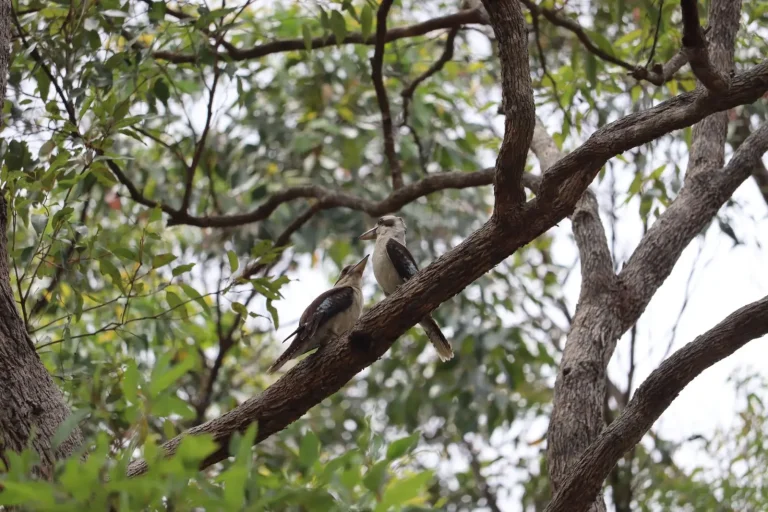
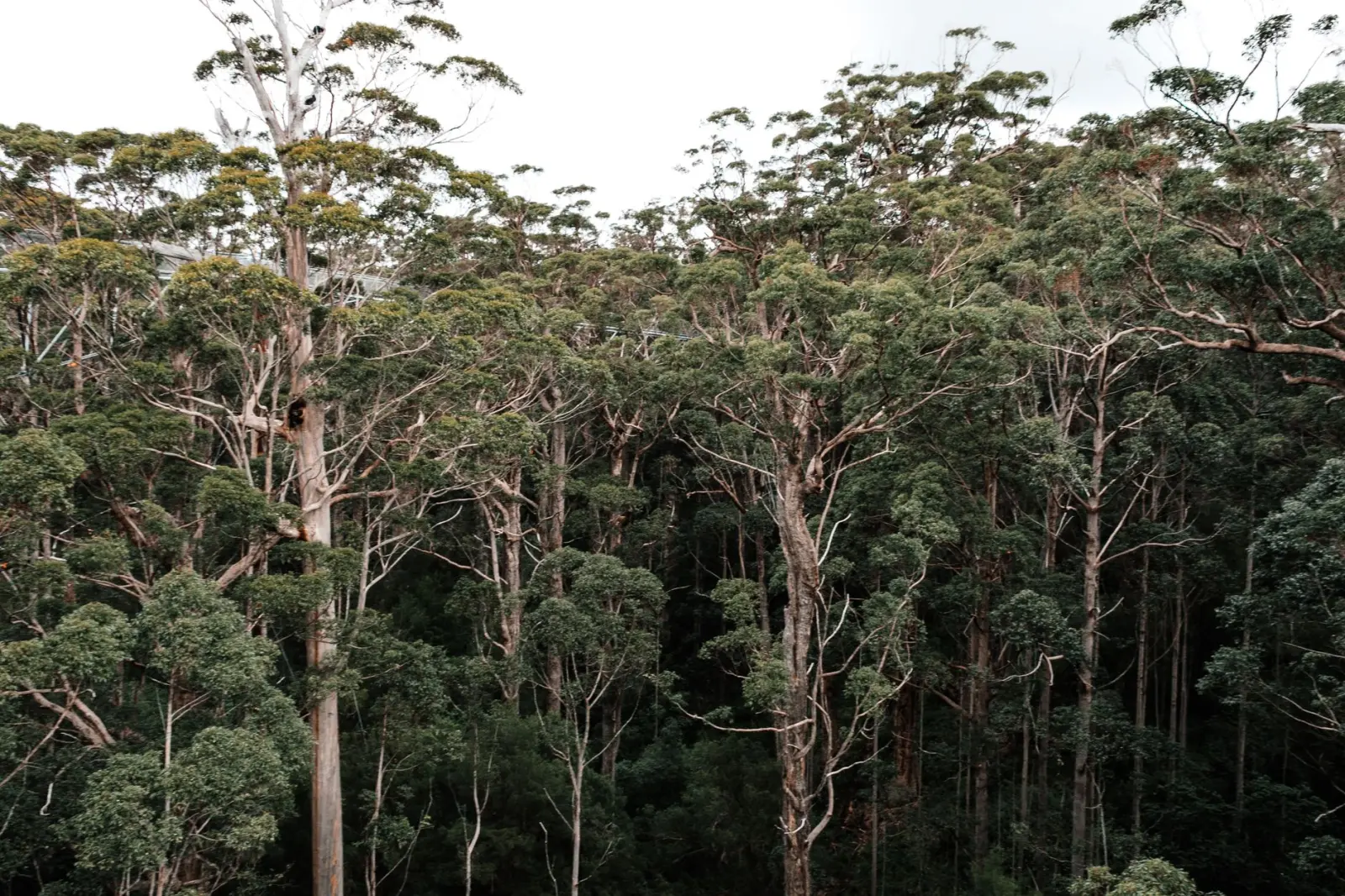
The rainforest canopy is dense enough that you’ll spend a lot of time listening rather than watching. This is important to accept early. Your eyes will adjust to the gloom eventually, but the first hour or two in deep forest feels like you’re missing most of what’s there. The birds give themselves away first. Currawongs call from the mid-story, their voices sharp and repetitive. Lyrebirds are present year-round, though they’re more vocal during breeding season from March through August. When you hear one, it’s often mimicking other forest sounds – other birds, occasionally kookaburras from nearby clearings, sometimes the calls of other species entirely. The mimicry is so accurate that people often think they’re hearing multiple animals when it’s just one.
Mammals and the Timing Problem
Possums and gliders are common but nocturnal, which means you won’t see them unless you’re out at night or staying in accommodation where they visit. The brush-tailed possum is the most frequent visitor to human spaces. Sugar gliders are present but less obvious – they’re smaller and more cautious. Koalas exist in the region but not in the numbers you’d find further south. I’ve encountered them perhaps twice in regular forest visits, and both times they were high in eucalypts at the forest edge rather than deep in the rainforest proper.
Wallabies and bandicoots are active in early morning and late afternoon. The swamp wallaby is the species you’re most likely to encounter, usually alone or in pairs rather than groups. They’re not aggressive, but they’ll move away quickly if you approach. Bandicoots are harder to spot because they’re smaller and more secretive, though their digging marks in leaf litter are everywhere. The damage they cause to garden beds in nearby towns is constant evidence of their presence, even if you never see the animals themselves.
Reptiles and Amphibians
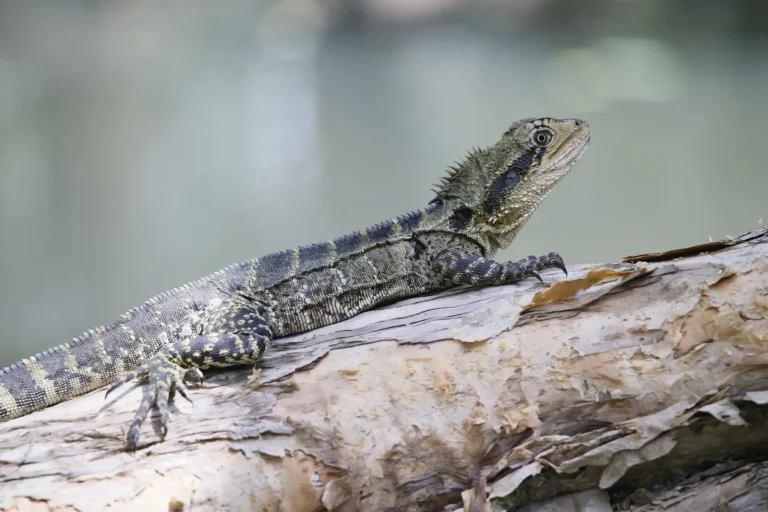
Snakes are present but rarely encountered on trails. The carpet python and the more venomous king brown are both in the area, but they’re not aggressive and will leave before you know they were there. Most people visit without seeing a single snake, and that’s normal. Lizards are easier to spot. The blue-tongue is common and slow-moving enough that you might see one crossing a path or road. Smaller skinks dart through leaf litter constantly. In wet conditions, particularly after heavy rain, frogs become impossible to ignore. The sound is overwhelming – dozens of species calling simultaneously from every water source, from shallow pools to tree holes. The barking marsh frog has a distinctive call that carries far. Green tree frogs are beautiful but nocturnal, though you might find one sheltering under a leaf or in a crevice during the day.
The amphibian activity is directly tied to rainfall. In dry periods, the forest goes quiet. In wet periods, particularly during breeding season from October through February, the noise becomes a constant background. This shift in acoustic environment is one of the clearest indicators of seasonal change in the rainforest.
Birds and the Visibility Question
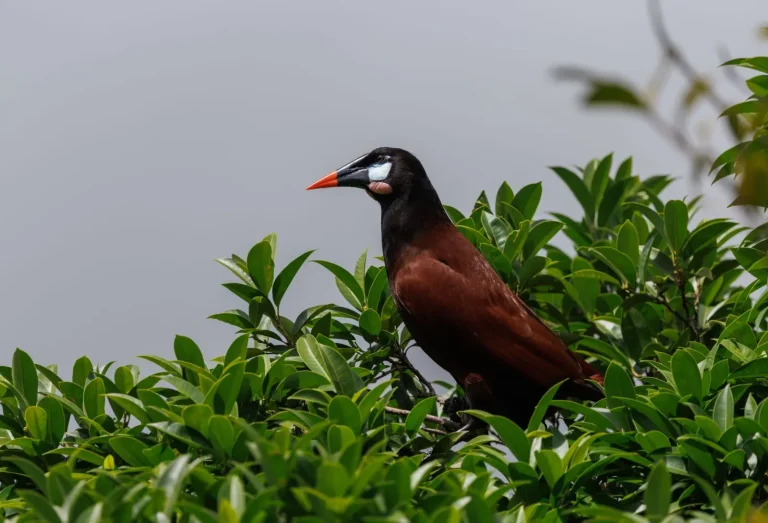
The bird diversity is genuine, but seeing them requires patience and acceptance that you’ll identify many by call alone. The whipbird is common but shy. Its distinctive call – a sharp whip-crack followed by a chook-chook sound – echoes through the forest constantly, but the bird itself stays hidden in dense undergrowth. The regent bowerbird is stunning when you see one, with its black and gold plumage, but encounters are unpredictable. Kookaburras laugh from the forest edge and nearby clearings, not from deep forest. Rosellas and other parrots move through in flocks, often high enough that you see them as silhouettes against the canopy rather than clearly.
The wompoo fruit-dove is present and vocal, particularly when fig trees are fruiting. Its deep, resonant call is distinctive. Bowerbirds of several species work the forest floor and lower story, and if you’re quiet and patient, you might observe one collecting materials or tending its display site. The satin bowerbird is the most impressive in terms of its construction effort, though the regent bowerbird’s display is equally elaborate.
Insects and the Overlooked Majority
The rainforest insect fauna is staggering, and it’s where the real biodiversity lies. Most people don’t think about insects as wildlife worth observing, but they dominate the ecosystem. Butterflies are visible and beautiful – the Cairns birdwing is the largest and most impressive, though it’s more common further north. Smaller species are abundant. Beetles are everywhere. The jewel beetles have iridescent coloring that catches light. Stick insects are camouflaged so effectively that you’ll walk past dozens without noticing. Spiders are prolific. The huntsman spiders are large and startling but harmless. Smaller orb-weaving spiders create webs that catch morning light and become visible pathways through the forest.
Ants are the true dominant force. They’re present in enormous numbers, and their activity level varies with temperature and moisture. In warm, wet conditions, ant trails become obvious on tree trunks and across the forest floor. Termites are less visible but equally important, working through dead wood constantly.
Seasonal Patterns and What Changes
Spring and early summer, roughly September through November, brings increased bird activity and the start of breeding season for many species. The forest becomes noisier. Insects are more active. Flowers bloom, and fruiting follows, which draws more animals. Summer itself, December through February, is wet and warm. This is when amphibians are at their peak and when many reptiles are active. It’s also when humidity makes extended forest walks exhausting. Autumn and winter, March through August, sees reduced activity overall. Fewer insects. Quieter birds. Mammals are still present but less visible. This is actually a good time to walk the forest because it’s cooler and less humid, even though you’ll see less wildlife.
The reality of Dorrigo’s rainforest wildlife is that it’s abundant but not always obvious. The animals are there, responding to their environment, feeding, breeding, and moving through the forest on schedules that have nothing to do with visitor convenience. Spending time in the forest teaches you to observe differently – to listen more than you watch, to notice absence as much as presence, and to understand that a quiet walk doesn’t mean the forest is empty. It means you’re moving through a complex system where most activity happens outside human perception or during hours when humans aren’t typically present.