
The rainforest walks around the Gold Coast hinterland are reliable enough that you can count on them for a half-day or full-day outing, but they’re also crowded enough that timing matters more than most visitors realise. I’ve done these walks across different seasons and times of day, and the experience varies significantly depending on when you go and which track you choose. The hinterland sits roughly 600 to 900 metres above sea level, which means the temperature and weather patterns shift noticeably from the coast. What feels warm at sea level becomes cool and damp in the forest, and rain that barely registers at Surfers Paradise can turn tracks muddy and slippery within minutes.
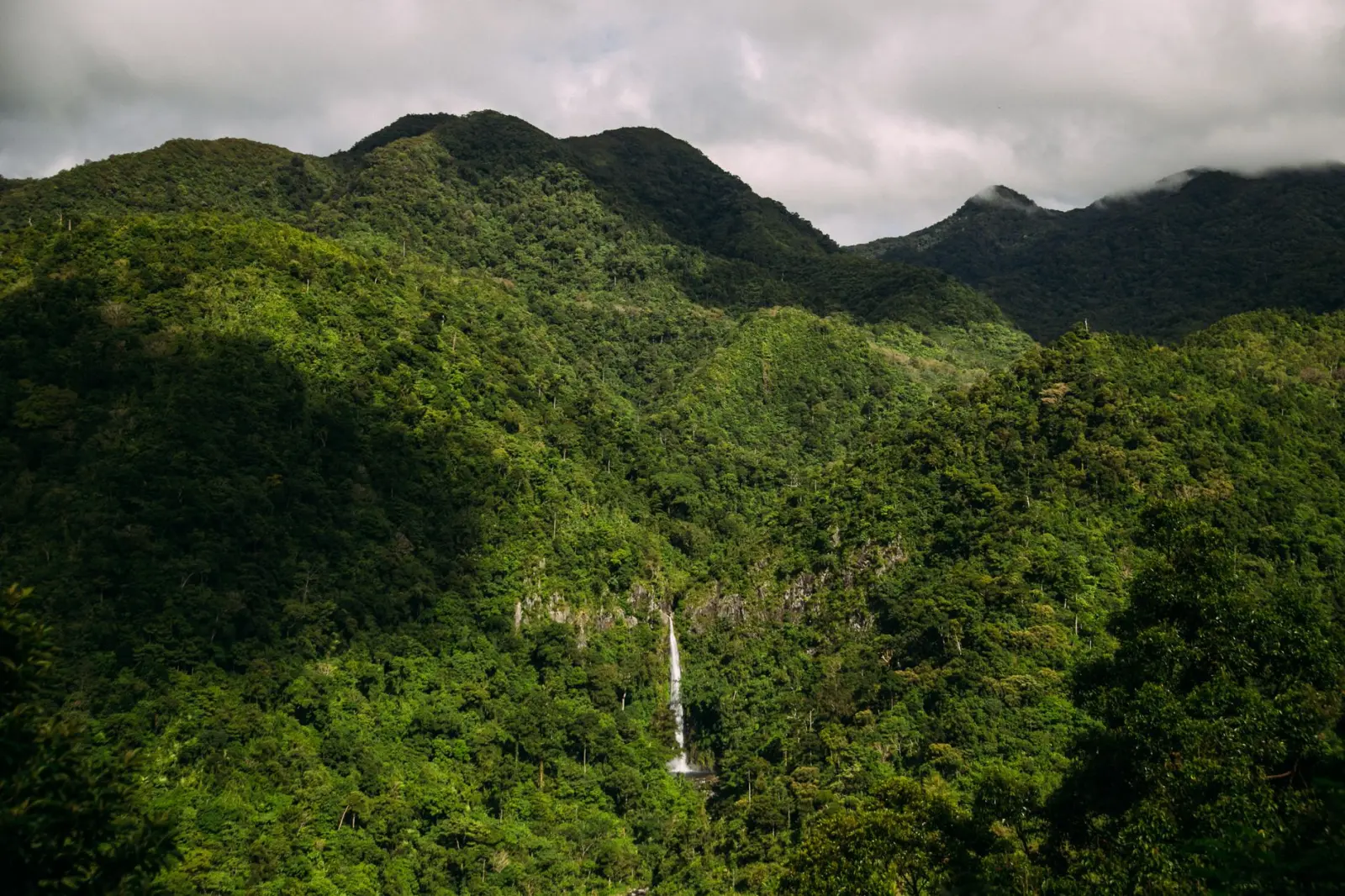
The most visited walk is Purling Brook Falls, and for good reason. It’s accessible, well-maintained, and the waterfall itself is genuinely worth seeing. The track is about 1.2 kilometres each way, mostly downhill on the way in, which means the return is uphill and tends to slow people down. I’ve walked it dozens of times across different conditions, and the pattern is always the same: early morning (before 8 am) is manageable, mid-morning becomes crowded, and by afternoon you’re sharing the track with school groups and tour operators. The track itself is wide and graded, so it handles foot traffic well, but the waterfall pools at the base get congested during peak times. If you’re going for solitude or photography, arrive early or go mid-week in the off-season.
Tracks That Reward Timing and Effort
Tallebudgera Valley Walk is one I recommend to people who want something less crowded than Purling Brook but still accessible. It’s about 2.8 kilometres return, mostly flat, and winds through open forest with occasional views. The track is quieter because it doesn’t have the waterfall drawcard, and most casual visitors skip it. The surface is reasonable, though it can be slick after rain due to leaf litter and exposed roots. I’ve found that walking it on a weekday morning gives you stretches of genuine solitude, which is rare in the hinterland. The walk takes roughly 45 minutes to an hour at a moderate pace, and it’s the kind of track where you actually notice the forest rather than focusing on reaching a destination.
Austinvilla Estate Walk, near Mudgeeraba, is shorter and steeper than it first appears. It’s marketed as easy, but the gradient is consistent and the track narrows in places. The walk is about 1.6 kilometres return and takes 30 to 40 minutes depending on fitness and how often you stop. What makes it worth doing is the context: you’re walking through remnant subtropical rainforest that’s been actively restored, and the biodiversity is genuine. You’ll see native birds, ferns, and the forest structure changes noticeably as you move through different sections. It’s the kind of walk that feels short but leaves you with a real sense of the landscape.
Longer Options and What to Expect
If you want something more substantial, Boomerang and Fig Tree Walks offer a longer experience. These tracks can be done separately or combined, depending on your energy and time. Boomerang Walk is roughly 3.8 kilometres return and involves some elevation change, while Fig Tree Walk is about 2.5 kilometres return. Combining them makes for a half-day outing of around 3 to 4 hours including stops. The tracks are less crowded than Purling Brook, partly because they require more effort and partly because they’re less obviously promoted. The forest here is dense, and the canopy coverage means that even on hot days, the temperature stays relatively cool. I’ve noticed that the understory vegetation is thicker on these walks, which means more wildlife activity, particularly in early morning.
Rainforest Circuit at Mount Tamboram is a different proposition entirely. It’s a proper walk, roughly 6 kilometres, with significant elevation gain. The track is well-marked but involves sustained climbing and some steep sections. Most people take between 2 and 3 hours to complete it, depending on fitness and how much time you spend stopping. The reward is that you get genuine altitude and a sense of moving through different forest zones. The lower sections are subtropical rainforest, while higher up you encounter more temperate forest characteristics. It’s the kind of walk where you feel like you’ve actually gone somewhere, not just completed a circuit.
Practical Realities That Matter
Mud is the constant factor. Even when it hasn’t rained recently, the forest floor retains moisture, and tracks become slippery quickly. Proper footwear is essential, not optional. I’ve seen people in running shoes or casual trainers struggle significantly, particularly on descents. Waterproof hiking boots with good grip make a tangible difference. The hinterland also has leeches during warm, wet months (November through April). They’re not dangerous, but they’re persistent and annoying. Salt or insect repellent helps, though the most effective approach is simply accepting that you might pick up a few and removing them afterward.
Water availability varies by track. Some walks have water stations or creeks you can access, others don’t. Carrying at least 1.5 litres of water is standard practice, more if you’re walking during warmer months or doing a longer track. The forest canopy provides shade, which is valuable, but it also means the temperature feels cooler than it actually is, and people sometimes underestimate their fluid needs.
Crowds genuinely affect the experience, and I don’t say that casually. Walking Purling Brook at 7:30 am versus 10:30 am feels like two different walks. The early version is quiet, the light is better, and the waterfall pools are less congested. The later version is busy, the pools are full of people, and you spend more time waiting than walking. If you’re visiting during school holidays or weekends, expect higher numbers on all established tracks. Mid-week visits during term time are noticeably quieter.
The hinterland tracks are well-maintained overall, but maintenance is reactive rather than preventive. After heavy rain, you might encounter fallen branches or muddy sections that aren’t immediately cleared. Walking a day or two after significant rainfall often means dealing with temporary obstacles. The tracks themselves don’t require technical skills or special equipment, but they do require reasonable fitness and attention to footing, particularly on descents where momentum and gravity work against you.
Parking can be an issue at popular walks during peak times. Purling Brook fills up by mid-morning on weekends, and Tallebudgera has limited spaces. Arriving early or choosing less popular walks helps, but it’s worth checking parking availability before you commit to a specific track. The hinterland roads are winding and narrow in places, and driving them when tired or rushed adds unnecessary risk.