

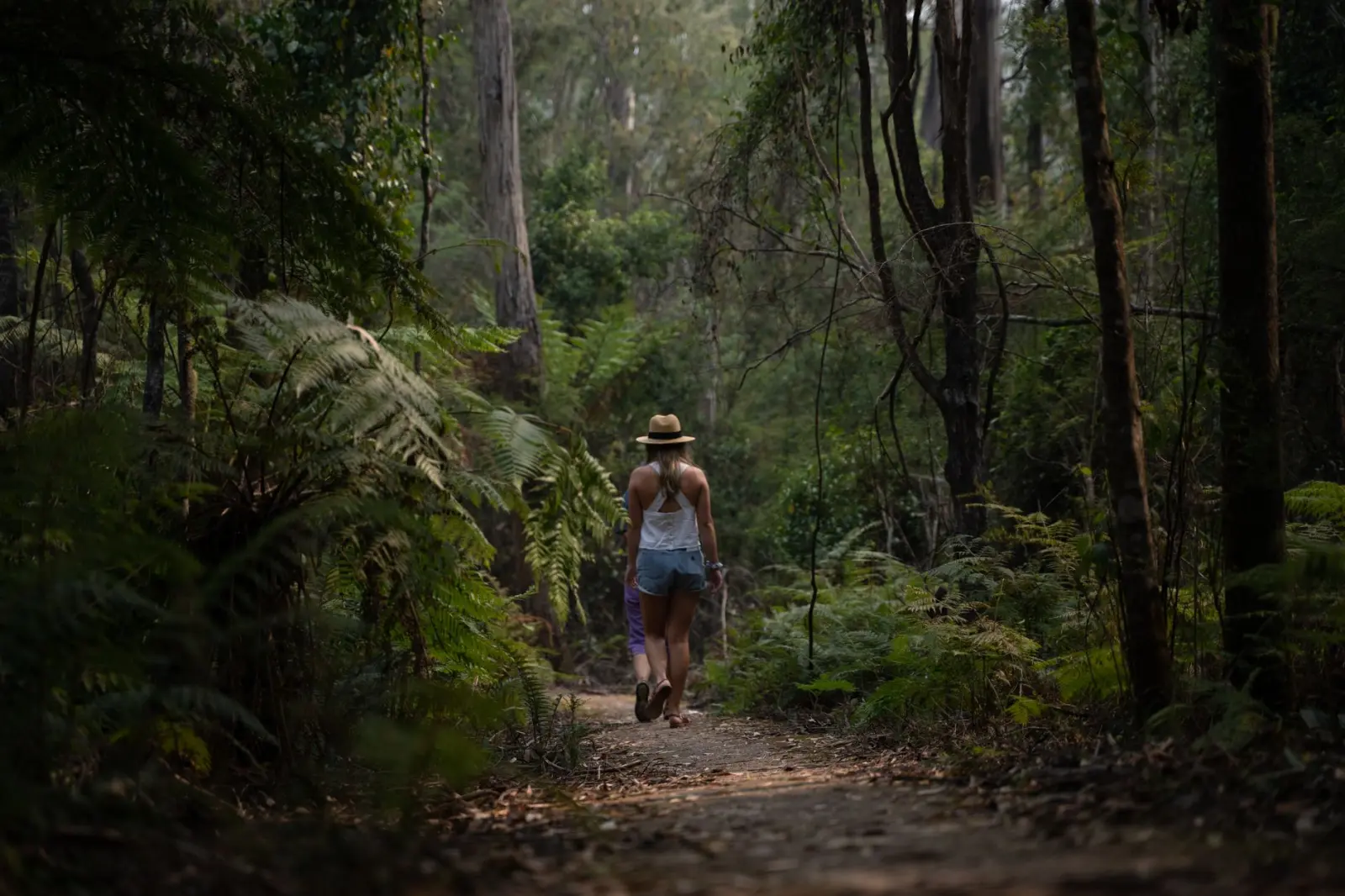
The rainforest around Noosa sits at a particular intersection of accessibility and genuine wildness that tends to surprise people. You can reach decent walks within 20 minutes of the town center, yet many of them still feel removed from the coastal bustle. The catch is that most visitors arrive with incomplete expectations about what these walks actually involve – the terrain, the pace, the weather patterns, and the time commitment all tend to differ from what guidebooks suggest.
I’ve walked these trails across different seasons and times of day, and the experience varies dramatically. Morning walks in the dry season feel entirely different from late-afternoon walks during the wet months. The forest itself changes character based on rainfall, insect activity, and light penetration. Understanding these patterns matters more than simply knowing which trails exist.
Noosa National Park and the Coastal Loop
The Noosa National Park walks are the obvious starting point, and they deserve that status because they actually deliver on their reputation. The coastal loop from the main beach to Hell’s Gates and back covers roughly 6 kilometers and takes most people between 90 minutes and two hours. The track itself is well-maintained and marked, which means you won’t spend mental energy on navigation. What catches people off guard is the elevation change. It’s not steep in any single section, but the cumulative climbing – especially on the return leg – creates genuine fatigue if you’ve underestimated the walk or overestimated your fitness.
The forest canopy here is dense enough to provide consistent shade, which matters considerably during warmer months. Even in late morning, the temperature under the trees remains substantially cooler than the open beach areas. The trade-off is humidity. The enclosed forest holds moisture, and on warm days you’ll sweat more than you might expect, even with the shade. I’ve seen people turn back or sit down unexpectedly because they misjudged how much water they’d need. Two liters is a reasonable minimum, and three is sensible if you’re walking between 10 a.m. and 3 p.m.
The wildlife presence here is real but not dramatic. You’ll hear more than you see – kookaburras, various bird calls, occasionally a lyrebird if you’re quiet and lucky. Snakes exist but are genuinely uncommon on the main tracks. The real concern is leeches during and immediately after wet periods. They’re not dangerous, but they’re unpleasant, and if you’re walking in damp conditions, checking your legs and shoes before returning to town saves frustration later.
Erskine Creek and the Hinterland Approach
Moving away from the coast, Erskine Creek offers a different experience entirely. The walk follows a creek bed through closed-canopy rainforest, and the atmosphere shifts noticeably. The air feels heavier, the light dimmer, and the sense of being in a genuinely wild space increases. The track is less manicured than the national park loops, which appeals to some people and concerns others.
Erskine Creek works best in the cooler months or early morning. The creek provides water sounds and visual interest, but the forest density means the walk can feel claustrophobic if you’re not comfortable in enclosed spaces. The round trip is roughly 4 kilometers and takes 60 to 90 minutes depending on how much you pause to look around. The creek itself is shallow and safe, but the banks can be slippery, particularly after rain. I’ve seen people slip on what looked like solid ground because the leaf litter masked a layer of wet moss underneath.
What makes this walk distinct is the sense of progression. You move deeper into the forest rather than around it. The bird life is more varied here than on the coastal tracks, and the overall quietness – the absence of other walkers and distant traffic – creates a different mental space. It’s not remote by any objective measure, but it feels more isolated than the national park routes.
Timing and Seasonal Realities
The dry season, roughly May through September, is genuinely the best window for rainforest walking in this region. The trails dry out, insects are less aggressive, and the humidity remains manageable. Walking at dawn during these months is pleasant – cool air, good light, fewer other people, and the forest is active without being overwhelming.
The wet season, December through March, transforms these walks. Humidity climbs, leeches become frequent, and the trails themselves become slippery. Rain doesn’t necessarily cancel walks, but it changes them substantially. A walk that takes 90 minutes in dry conditions might take two hours in wet conditions simply because you’re moving more carefully. Visibility can also drop in heavy downpours, which affects your ability to navigate and enjoy the surroundings.
The shoulder seasons – April and October through November – are variable. You get occasional rain, moderate humidity, and fewer crowds than peak tourist seasons. These months often feel like the practical sweet spot if you’re not visiting during the defined dry season.
Practical Considerations Most People Overlook
Footwear matters more than most people acknowledge. The forest floor is uneven, roots cross the paths regularly, and the combination of moisture and leaf litter creates genuine slipping hazards. Trail runners or hiking boots with decent ankle support and grip are substantially better than street shoes or light sandals. I’ve watched people turn back or move at a painful crawl because they chose inappropriate footwear.
Insect protection is worth taking seriously, particularly during warmer months. Mosquitoes and sandflies exist in these forests, and while they won’t ruin a walk, they can make it noticeably less pleasant. A lightweight long-sleeved shirt and insect repellent provide practical protection without overheating. The forest canopy offers some natural protection, but open areas and creek sides are more exposed.
Navigation is straightforward on the main trails, but it’s worth carrying a map or having offline maps downloaded on your phone. The main tracks are marked and heavily used, so getting lost is unlikely, but having backup navigation removes uncertainty and allows you to move at a comfortable pace rather than constantly checking that you’re on the right path.
Starting early matters more than people typically plan for. A 7 a.m. start gives you a fundamentally different walk than a 10 a.m. start – cooler conditions, fewer other walkers, better light in the forest, and less time pressure. The difference isn’t marginal; it affects how much you actually notice and how much energy the walk requires.
The rainforest around Noosa is genuinely worth walking through, and it’s accessible enough that you don’t need specialized skills or extreme fitness. The key is matching your expectations to the actual conditions and timing your walk to the season and time of day. The forest rewards attention and reasonable preparation, and it punishes overconfidence and poor planning in equal measure.



