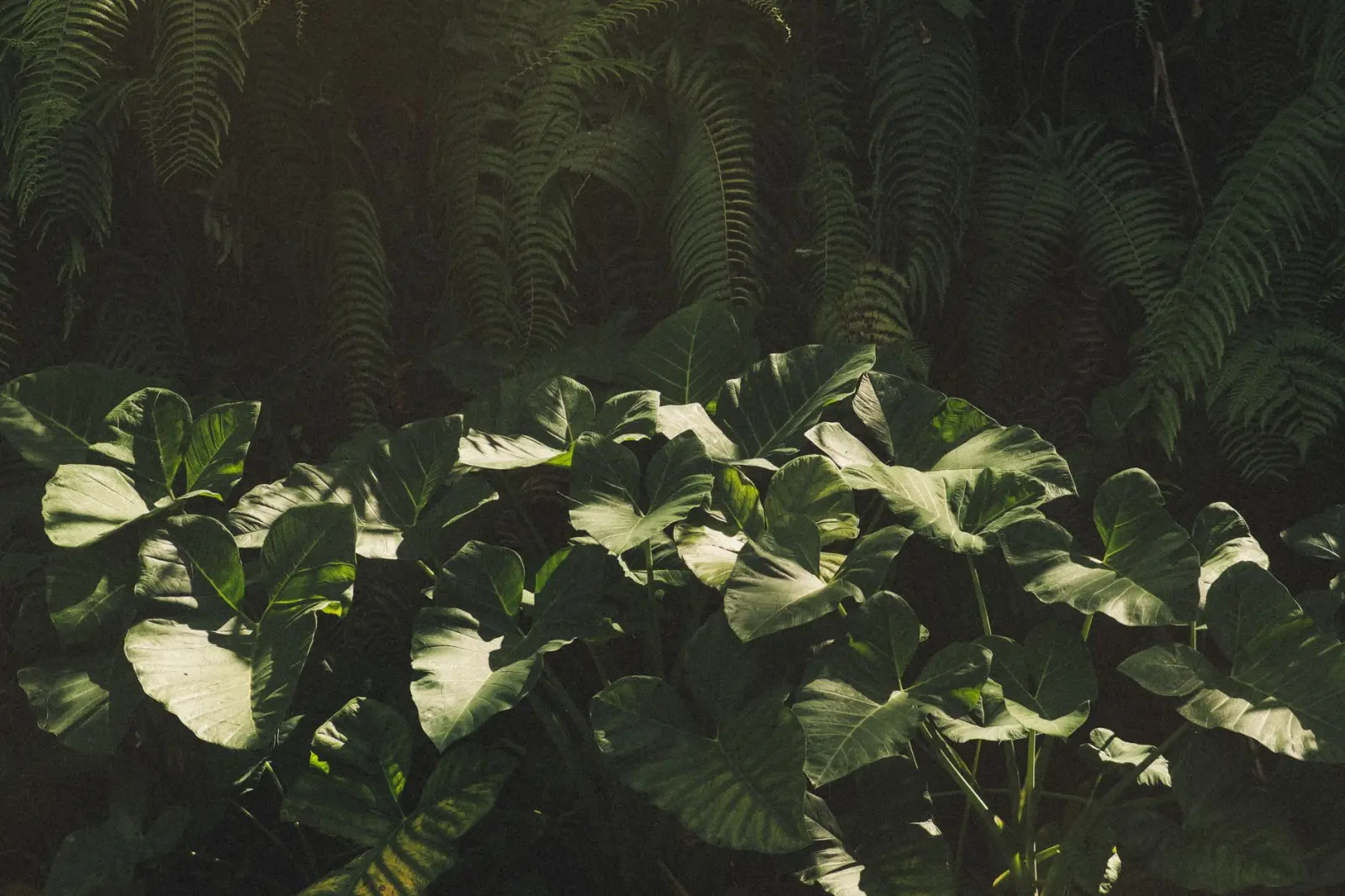
The Hastings Valley rainforest sits in a transitional zone between subtropical and temperate forest systems on the mid-north coast of New South Wales. After spending considerable time moving through these patches of remnant vegetation, I’ve noticed that most people arrive with expectations shaped by documentaries or zoo visits, then encounter something quite different. The wildlife here isn’t dramatic or abundant in the way tropical rainforests are. Instead, it reveals itself gradually, often in small moments, and sometimes not at all depending on when and how you move through the landscape.
The valley’s rainforest fragments are scattered across private land, national parks, and creek systems. They’re not vast unbroken canopies but rather pockets of protected vegetation surrounded by cleared farmland, urban sprawl, and eucalyptus forest. This fragmentation matters enormously for what animals you’ll see. Larger species have largely retreated or disappeared entirely. The wildlife that remains tends to be smaller, more secretive, and active during specific times of day or season. Understanding this context changes how you approach observation and what you should realistically expect.
The Common Residents You’ll Encounter
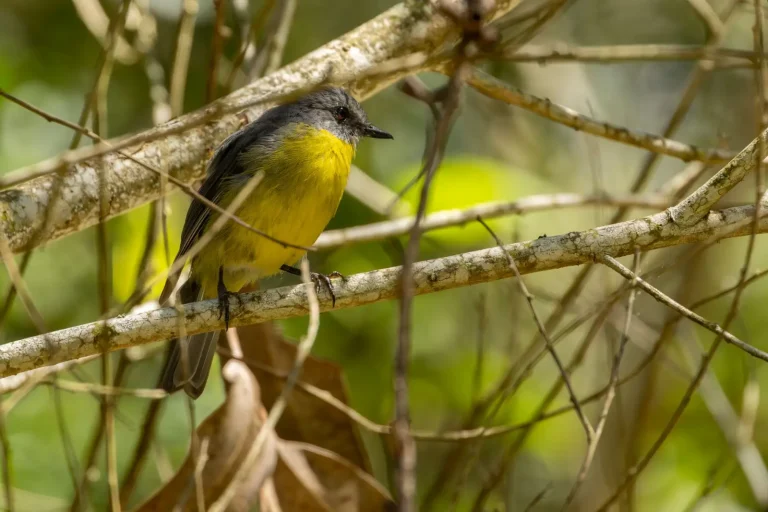
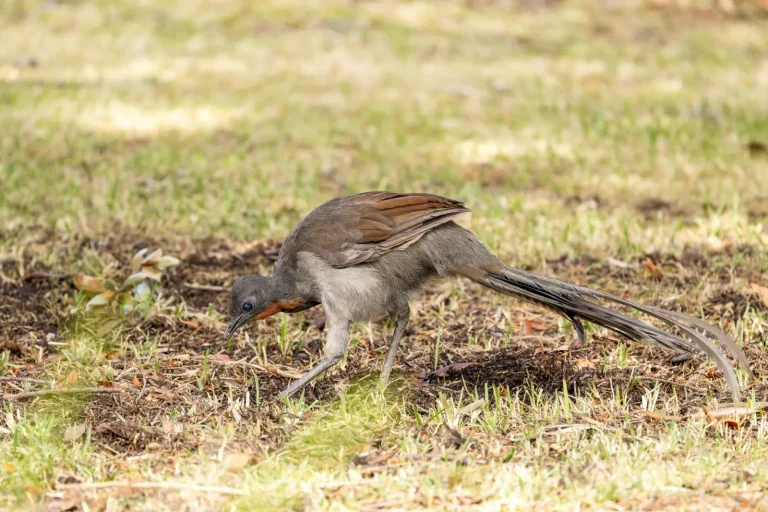
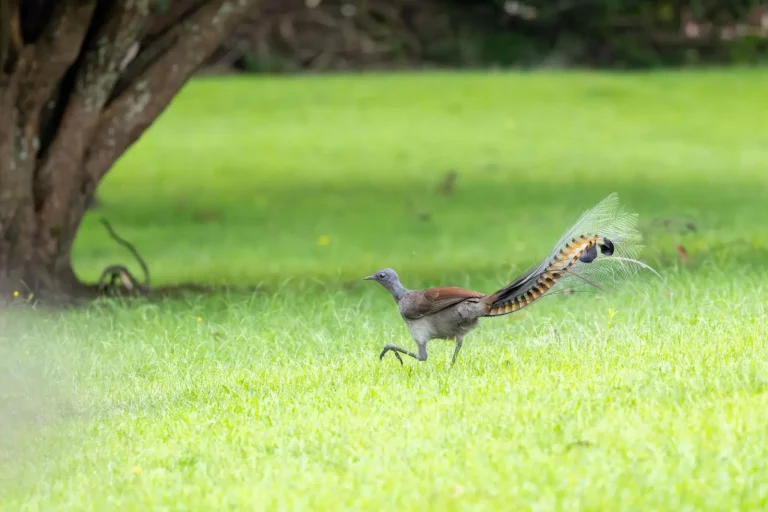
Birdlife is the most visible and consistent element of the rainforest ecosystem here. Currawongs, whipbirds, and various honeyeaters move through the canopy regularly, and their calls become a constant backdrop once you tune into them. I’ve found that early morning – roughly the first two hours after sunrise – is when you’ll hear the most activity. The acoustic environment shifts noticeably. By mid-morning, things quiet considerably. Lyrebirds are present in several valleys, particularly where the rainforest meets eucalyptus forest, but they’re far from guaranteed sightings. Their calls are distinctive enough that you’ll recognize them, but actually seeing one requires patience and often luck.
Smaller birds like fantails, warblers, and thornbills are constantly moving through the understorey. They’re easy to miss if you’re not watching the mid-story vegetation carefully. Many people focus on the canopy or the ground and miss the layer where most activity actually occurs. Lorikeets visit flowering trees seasonally, and when they’re present, they’re loud and obvious. When they’re not, you notice the absence.
Reptiles are more common than many visitors expect, though you’re unlikely to see them unless you’re specifically looking or moving slowly and quietly. Blue-tongue lizards inhabit the valley floors and creek margins. I’ve encountered them more often in late spring and early summer when they’re more active and visible. Snakes are present – brown snakes, red-bellied blacks, and pythons – but they actively avoid human presence. Most encounters happen when someone is moving carelessly through tall grass or leaf litter. Staying on established paths and watching your footing reduces risk significantly.
Mammals: Presence Without Visibility
Mammal observation is where expectations often diverge most sharply from reality. The larger species – koalas, wombats, and gliders – are either absent from this region or present in such low numbers that seeing one is genuinely rare. Smaller mammals like brushtail possums and sugar gliders are nocturnal, and while they’re present, you won’t see them during daylight hours. Spotlighting at night in appropriate areas can reveal possums and gliders, but this requires specific access and knowledge of where they’re likely to be.
Wallabies move through the valley, particularly at dawn and dusk. I’ve seen them more often in areas where the rainforest transitions to open grassland. They’re wary and move quickly when disturbed. Echidnas appear occasionally, particularly in spring when they’re more active. Finding one is genuinely fortunate rather than expected. Platypuses inhabit the creek systems, but they’re cryptic and most active at dawn or dusk. Spotting one requires being near water at the right time with considerable patience.
Introduced species – rabbits, foxes, and feral cats – are far more visible and numerous than native mammals in many areas. This is an ecological reality that shapes what you’re likely to encounter. The predation pressure from these species affects smaller native animal populations significantly.
Seasonal Shifts and Timing Matters
The Hastings Valley experiences distinct seasonal patterns that directly affect wildlife activity and visibility. Spring brings increased bird activity, flowering events that attract lorikeets and honeyeaters, and more movement among reptiles as temperatures warm. Summer can be quiet during the heat of the day, with most activity pushed to early morning or late afternoon. Autumn sees migratory birds passing through. Winter is generally quieter, though some species become more visible as vegetation dies back.
Rainfall patterns influence movement significantly. After heavy rain, creek systems become active and more animals move to water sources. Dry periods push wildlife toward permanent water, making certain locations more productive for observation. Understanding these patterns helps you time visits more effectively, though even with perfect timing, wildlife observation remains probabilistic rather than guaranteed.
Practical Movement Through the Landscape
How you move through rainforest affects what you see. Fast movement and noise eliminate most opportunities. Slow, quiet progression with frequent pauses allows animals to reveal themselves or at least allows you to notice them before they flee. Early morning visits yield more sightings than afternoon trips. Staying on established paths reduces disturbance and makes movement safer, though it also limits what you can access. Off-track movement requires knowledge of the terrain and awareness of hazards like unstable creek banks, hidden holes, and dense vegetation that can disorient quickly.
Binoculars are genuinely useful here, particularly for birds in the canopy. A camera with decent zoom capability helps document what you see. Many people expect to photograph wildlife easily; in reality, most animals either move away or remain partially hidden. Getting clear photographs requires luck, patience, and often multiple visits to the same location.
The Hastings Valley rainforest offers genuine ecological interest and real wildlife experiences, but they emerge from observation and time rather than from spectacle. The ecosystem is resilient in patches, but it’s also fragmented and under pressure. What you encounter depends heavily on where you go, when you visit, how you move, and how much time you’re willing to spend quietly watching. The animals here are real and present, but they exist on their own terms, not on a schedule designed for visitor convenience.