

Cunninghams Gap sits in that particular corner of Queensland where the Main Range rises sharply enough to feel genuine, but not so dramatically that you need ropes or technical gear. The walking here is straightforward in concept – a forest path, elevation gain, established track – but the experience shifts considerably depending on when you go and what you’ve underestimated about yourself.
The gap itself is a natural passage through the range, and the walk to it moves through several distinct forest zones. The lower sections feel almost suburban in their accessibility, with cleared track and gentle gradient. This is where most people settle into a rhythm and assume the whole thing will feel this way. It won’t. The forest changes as you climb, and so does the demand on your body.
I’ve walked this route at least a dozen times across different seasons, and the variation is more pronounced than many people expect from a single Queensland location. The difference between a winter walk in June and a summer walk in January isn’t just about temperature. It’s about humidity, mud consistency, insect presence, and how quickly fatigue accumulates in your legs.
The Seasonal Shift in Difficulty
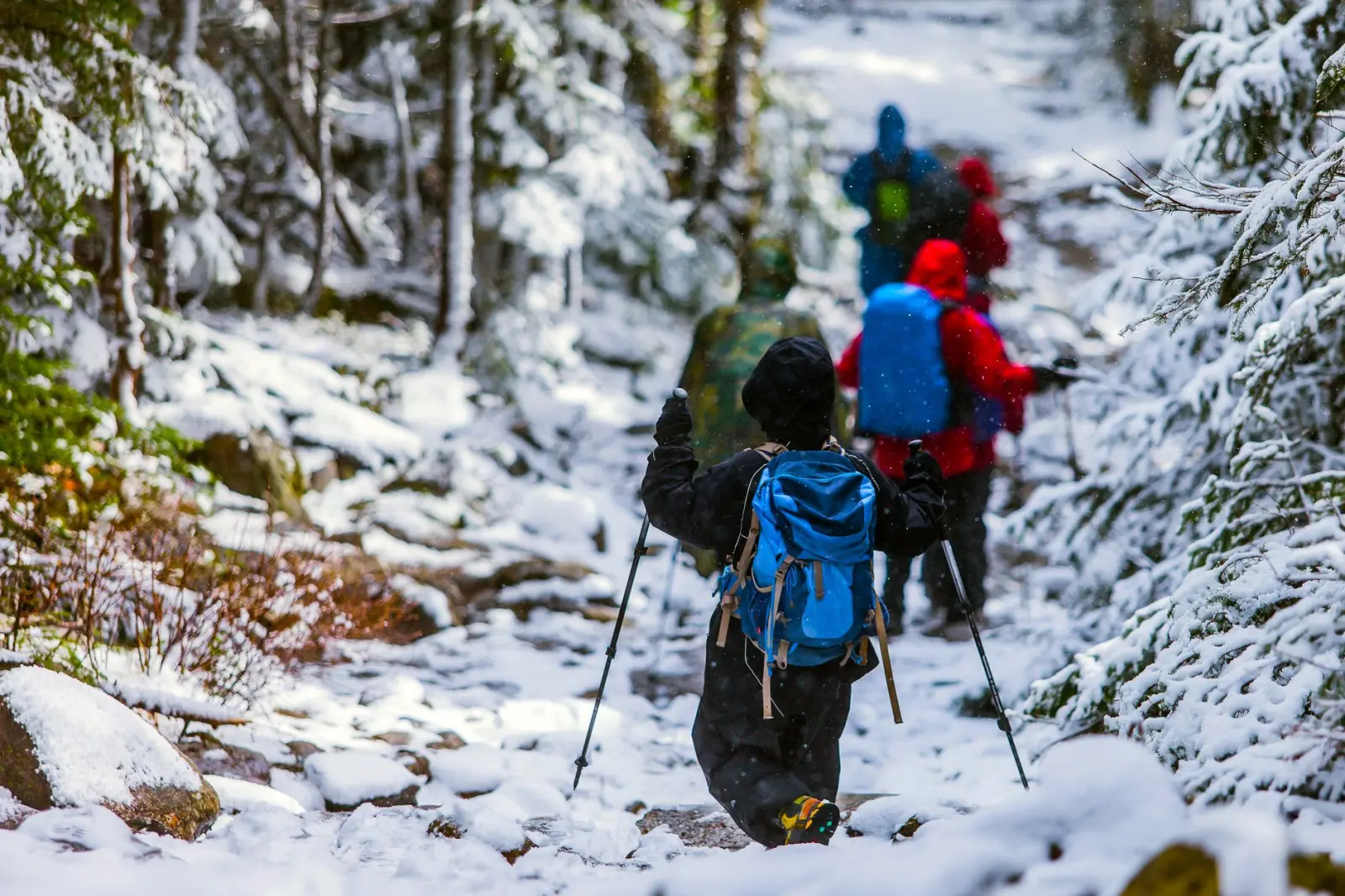
Winter walks – roughly May through August – feel almost easy by comparison. The air is cooler, the track dries faster after rain, and you can sustain effort without the constant drain of heat management. Your body doesn’t have to work as hard just to regulate temperature, which means more energy goes into actual movement. The canopy is less dense in winter too, so there’s better light and visibility. These walks tend to feel shorter than they actually are.
Summer is a different proposition entirely. December through February brings humidity that sits in the forest like a physical presence. Even on days that don’t feel particularly hot in town, the combination of warmth and moisture in the forest creates a constant low-level fatigue. Your legs feel heavier. Recovery between steps takes longer. The track itself becomes softer and more prone to slipping, especially on the steeper sections where tree roots create natural steps. I’ve noticed that people who walk this in summer consistently underestimate how much slower they’ll move compared to their winter pace.
Autumn and spring are the in-between seasons. April and September tend to be the most pleasant – warm enough that you’re not chilled, cool enough that heat fatigue isn’t a factor. The track conditions are usually stable. If you’re planning your first visit, these months are genuinely the best choice, though they’re also when the gap gets busier.
Where the Track Becomes Work
The lower section of the walk, roughly the first 30 to 40 minutes, creates a false sense of ease. The gradient is manageable, the path is well-defined, and you’re still fresh. This is where people set a pace they think they can maintain. They can’t, and the track itself tells you why once you get past the initial section.
The middle section is where the real climbing begins. The gradient steepens, the steps become more pronounced, and the forest closes in more tightly. This is typically the hardest section psychologically because you’re no longer fresh but you’re not yet at the top. The fatigue is real, but the end isn’t clearly visible. I’ve seen people stop here, reassess, and turn back – not because they’re incapable, but because the effort-to-progress ratio suddenly feels different from what they expected.
The upper section opens out slightly as you approach the gap itself. The forest becomes more sparse, and there’s often a breeze that you don’t feel in the lower sections. This psychological shift – the sense of approaching a destination – tends to carry people through the final push even when their legs are genuinely tired.
Practical Realities of the Walk
Water is the most underestimated resource on this walk. The track has no reliable water sources, and the gap itself offers none. People routinely arrive at the top dehydrated, having drunk their water supply too early or brought too little. On a cool winter day, you might manage with a single litre. In summer, two litres is barely adequate, and some people need more depending on their metabolism and pace. The walk back down is where dehydration becomes genuinely uncomfortable – your legs don’t recover properly, and the descent becomes harder than it should be.
Footwear matters more here than on many other Queensland walks. The track isn’t technical, but it’s uneven and often damp. Proper hiking boots or trail shoes with good grip reduce the risk of rolled ankles on the steeper sections and give you confidence on the descents. I’ve watched people in runners slip repeatedly on the upper sections, and the mental energy spent on balance is energy not spent on forward progress.
The descent is its own challenge. People often arrive at the top feeling accomplished and then discover that coming down is harder than going up. Your quads are already fatigued, and the impact of downhill movement compounds that fatigue quickly. The first few steps down feel fine. By the time you’re halfway back, your knees are working hard and your legs are less responsive to your balance corrections. This is where most minor injuries happen – not from dramatic slips, but from tired legs not responding quickly enough to uneven terrain.
Timing and Crowding
The gap is popular, and that popularity concentrates on weekends and school holidays. A weekend walk in peak season means you’ll encounter other walkers throughout the entire route. This changes the experience in subtle ways. You move at the pace of the person in front of you more often than you’d like. You stop more frequently to let others pass or to navigate around groups. The psychological benefit of solitude in a forest is completely absent.
Weekday walks, particularly on weekdays outside school holidays, offer a completely different experience. You might see a handful of other walkers, but long stretches feel genuinely quiet. This isn’t just about peace – it’s about being able to move at your own pace and stop when you choose rather than when the person ahead of you stops.
Early morning walks are worth the effort. Starting before 8 a.m. means you’ll have the track largely to yourself, even on weekends. The light is different in the early morning, and the forest feels different too. The temperature is coolest then, which matters in summer. You’re also more likely to see wildlife – wallabies, various birds, the occasional echidna – because you’re moving through the forest when animals are most active.
What Tends to Go Wrong
The most common issue is simply misjudging your own pace and energy. People compare this walk to other walks they’ve done and assume it will feel similar. It rarely does. The combination of elevation, forest conditions, and the particular way the track is graded creates a specific kind of fatigue that doesn’t translate directly from other experiences. Someone who walks regularly on flat terrain might find this surprisingly hard. Someone who does steep walks on open hillsides might find the constant technical footing more tiring than expected.
Weather changes fast in the gap. You can start in clear conditions and find yourself in cloud cover within 20 minutes. This isn’t dangerous, but it does reduce visibility and can make the descent more cautious. The temperature drops noticeably when you’re in cloud, which is actually pleasant in summer but can be uncomfortable if you’ve dressed too lightly.
Turnaround time is something people often get wrong. You need to leave the top with enough daylight remaining to descend safely and comfortably. In winter, you have more margin. In summer, the sun sets earlier than people expect. I’ve seen walkers hurrying down in poor light because they miscalculated how long the walk would take.
The walk itself is straightforward and safe for anyone with reasonable fitness. The real skill is honest self-assessment – understanding your actual pace, your actual water needs, and your actual energy reserves. The forest doesn’t care about your expectations. It just presents the same climb, the same descent, and the same conditions it always does.



