
Dooragan National Park sits in Queensland’s hinterland, and most people approach it expecting a straightforward bush walk. The reality is more textured than that. I’ve spent enough time moving through these trails to know where the common assumptions break down and where the forest actually rewards careful attention.
The park’s reputation rests partly on its accessibility. It’s not remote in the way some Australian parks are. You can reach it from the coast in under an hour, and the main walking tracks are well-maintained. But accessibility and ease are different things entirely. The forest here is subtropical, which means humidity, dense vegetation, and water features that change character depending on rainfall and season. The trails themselves are often narrower than visitors expect, and the canopy is thick enough that navigation by sun position becomes unreliable.
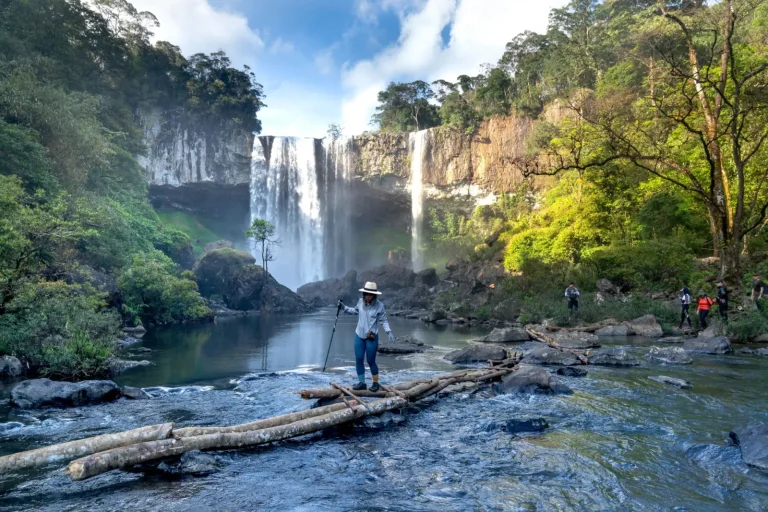
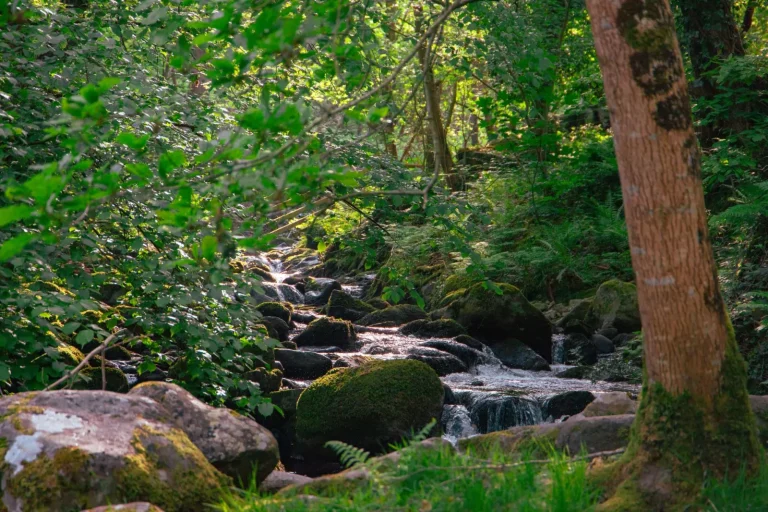
What strikes most people first is the water. Dooragan has creeks and small waterfalls, which is part of why people come. But water in a subtropical forest isn’t a consistent feature. After heavy rain, creek crossings that are normally ankle-deep become serious obstacles. The rock becomes slippery in ways that don’t announce themselves visually. I’ve watched experienced walkers misjudge the grip on wet stone because the lichen and algae growth here creates a deceptive surface. It looks stable until your boot finds the glossy patch underneath.
The Terrain Pattern
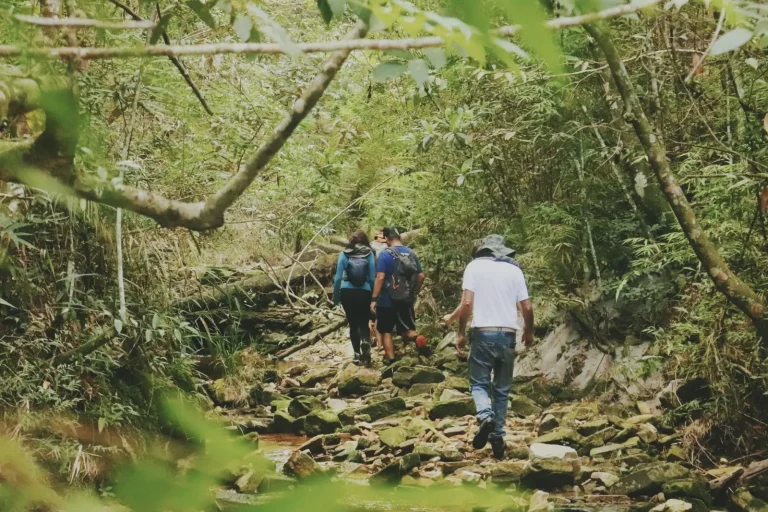
The walking tracks follow a predictable pattern once you’ve done them a few times. They tend to climb gradually, then steepen sharply as they approach higher points or creek systems. This isn’t unusual for hilly terrain, but it means energy expenditure is front-loaded in ways that catch people off guard. You’ll feel fine for the first forty minutes, then the grade increases and the humidity seems to intensify because you’re working harder. The forest canopy is dense enough that you don’t get the psychological boost of seeing distance or progress. You’re moving through green, and the green looks the same whether you’ve been walking for twenty minutes or an hour.
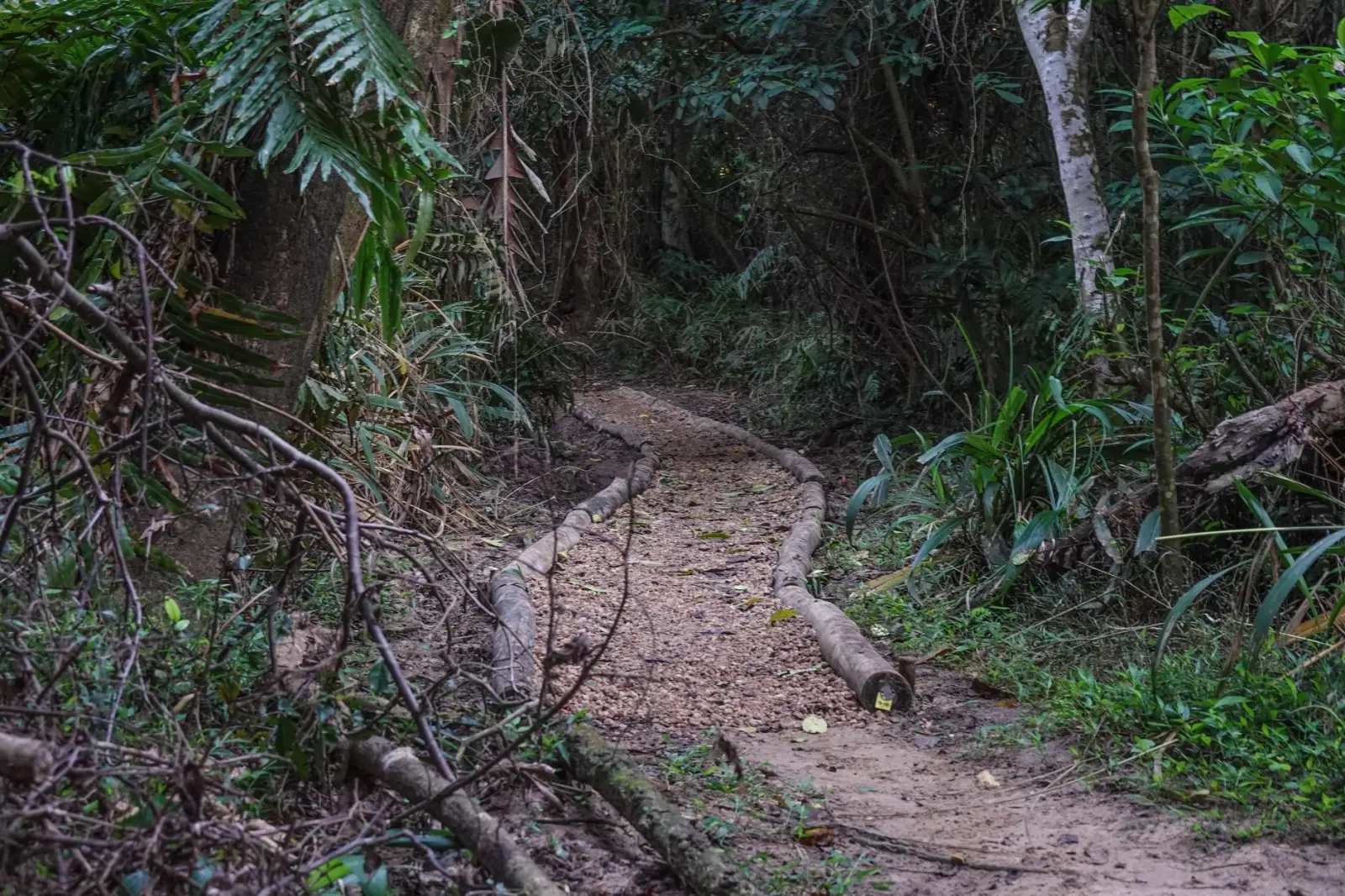
The track surface varies. Some sections are well-compacted earth with good drainage. Others become muddy or root-heavy, especially after rain. The roots here aren’t scattered obstacles. They form dense networks across the trail, and they’re often slick. Stepping on a root isn’t like stepping on a rock. Your foot can roll or slip in ways that feel sudden. I’ve seen ankle injuries happen on sections that looked completely benign. The risk isn’t in the dramatic terrain. It’s in the subtle instability that comes from walking on organic, water-logged ground for extended periods.
Timing and Fatigue
Most published walk times for Dooragan’s main tracks are optimistic. A track listed as ninety minutes often takes closer to two hours for average walkers, especially if you’re moving carefully on wet sections or taking time to navigate creek crossings. The humidity doesn’t tire you in an obvious way. It’s cumulative. Your body works harder to regulate temperature, your breathing becomes heavier, and mental focus drifts faster than it would in cooler conditions. By the time you realize you’re fatigued, you’ve already been working at a deficit for a while.
Starting early matters more than it seems to on paper. The light quality changes through the day, and in subtropical forest, that change is pronounced. Morning light penetrates the canopy differently than afternoon light. By late afternoon, the forest becomes genuinely dim, and navigating uneven terrain in low light is where most mistakes happen. I’ve seen people underestimate how quickly the effective daylight window closes. You might have two hours of good light remaining, but the trail quality and your ability to read the ground accurately decline before that.
Water and Navigation
Dooragan’s creeks are small, but they’re permanent features. The main tracks cross them, and the crossings are usually straightforward when water levels are normal. The problem is that “normal” is a wider range than most people assume. After even moderate rain, water flow increases significantly, and the crossing points that are marked on maps can become less obvious. The rocks shift position over time, and what was a stable stepping route last month might be different now. I’ve watched people stand at a creek crossing, looking at their phone map, confused because the marked route doesn’t match what’s in front of them.
The forest’s vegetation also obscures navigation cues. Tracks can be hard to follow where the canopy is densest because the ground gets less foot traffic in those sections, and vegetation encroaches. Markers exist, but they’re not always obvious, especially if you’re moving quickly or distracted. GPS works, but relying entirely on it is a mistake. The canopy density can cause signal drift, and if your phone battery is low, you’ve created a problem. Most people who get temporarily lost in Dooragan do so because they stopped paying attention to the physical markers and the track itself, assuming the device would guide them.
Practical Realities
The park has facilities, but they’re basic. There’s parking, and there are toilets, but there’s no water supply along the tracks. You need to carry everything you’ll drink, and in humid subtropical conditions, that amount is higher than people typically assume. A two-hour walk in this environment can require two liters of water, not one. Dehydration creeps up on you here because the humidity makes sweat evaporation inefficient. You’re not cooling as effectively, so your body produces more sweat, and the warning signs of dehydration arrive later than expected.
The forest floor is also home to things that deserve respect. Snakes are present, though encounters are rare. Insects are abundant. Leeches appear after rain, and they’re not dangerous, but they’re persistent and unpleasant. Ticks are common, and checking yourself afterward is essential. The subtropical environment supports a lot of life, and most of it ignores you, but some of it is worth being aware of. Wearing long pants and checking exposed skin before leaving the park is basic sense.
What I’ve noticed over repeated visits is that Dooragan works best when you abandon the idea that it’s a casual walk. It’s not difficult in a technical sense. The elevation gains are modest, the distances are short, and the trails are maintained. But the environment demands attention. The humidity requires planning. The terrain requires care. The water requires respect. When people approach it with that mindset, they tend to have good experiences. When they treat it as an easy stroll, they often leave frustrated or uncomfortable. The park isn’t hostile. It’s just not forgiving of inattention.