The Imbil State Forest sits in the Mary Valley region of southeast Queensland, and it’s one of those places where the walk looks straightforward on paper but reveals itself gradually as you move through it. I’ve spent enough time in these forests to know that the experience changes depending on what season you arrive in, how prepared your legs actually are, and whether you’re the type to turn back when things feel uncertain.
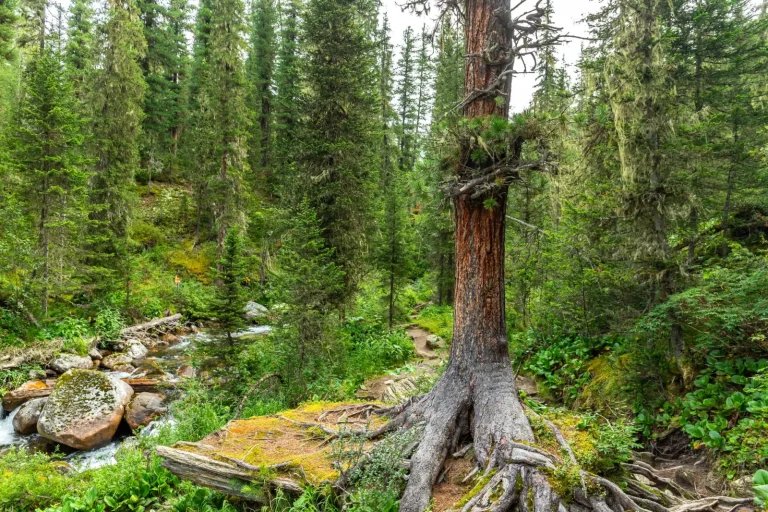
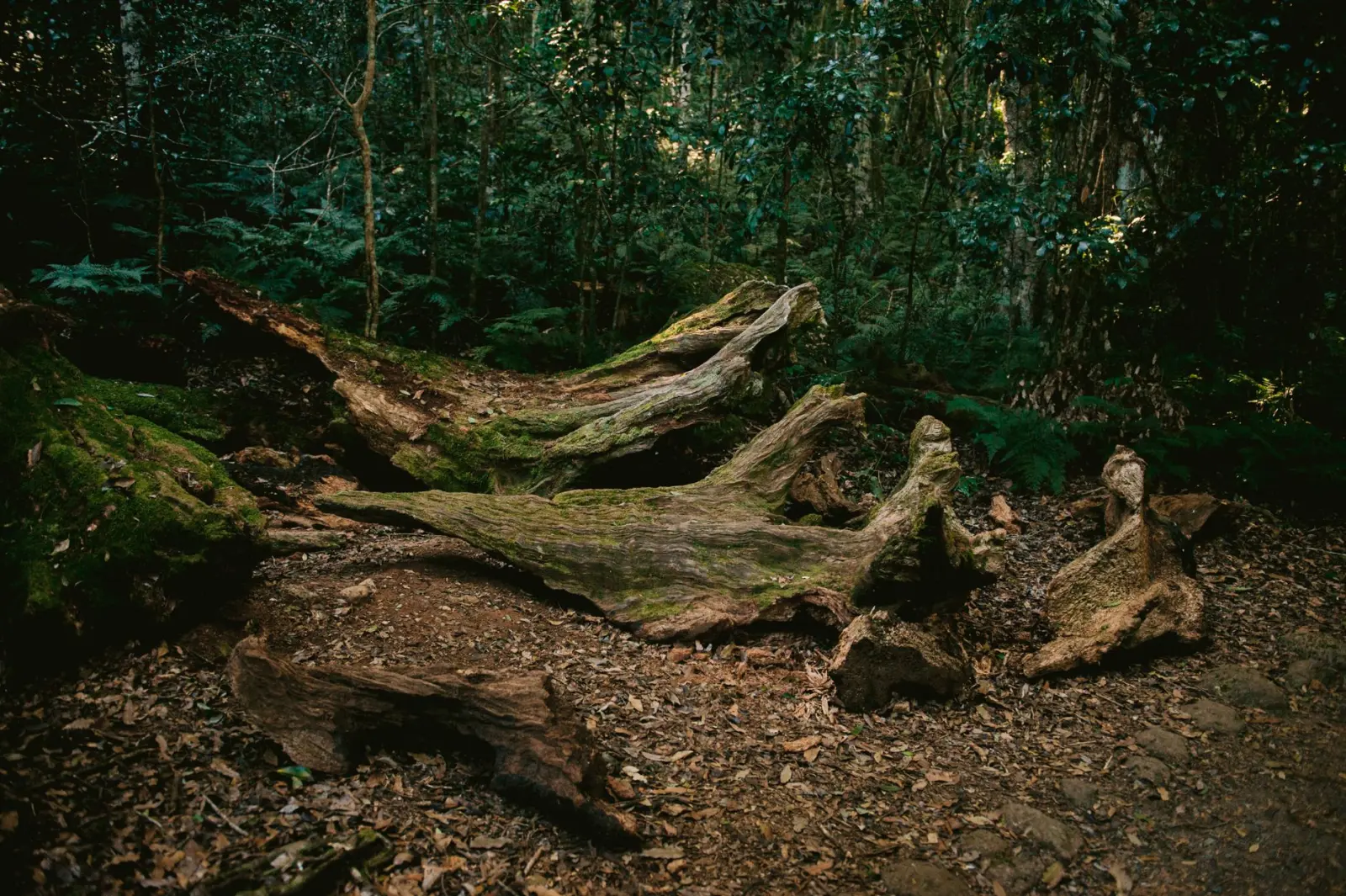
The forest itself is dense in places – not impenetrable, but dense enough that you notice the lack of open sky. The canopy filters the light into a greenish haze, and the ground beneath your feet tends to be soft, uneven, and sometimes slick depending on recent rainfall. This isn’t a manicured walking trail with graded surfaces and regular maintenance. It’s a working forest with a network of tracks that exist because people have walked them repeatedly, not because they’ve been engineered for comfort.
Terrain and What It Demands from Your Legs
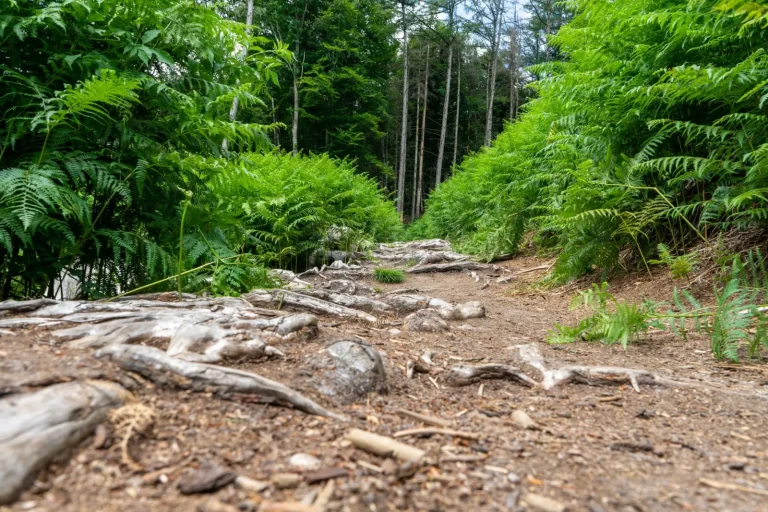
The ground in Imbil State Forest doesn’t stay consistent. You’ll move through sections where the track is relatively firm, packed earth with exposed roots that you step over without thinking. Then the trail opens into areas where the forest floor is almost spongy – decomposed leaf matter and soft soil that absorbs your weight unevenly. Your ankle stabilizers work constantly here. This isn’t the kind of terrain where you can zone out and let your legs do the work on autopilot.
Elevation changes exist, though they’re not dramatic. The forest undulates rather than climbs steeply. What this means in practice is that your legs don’t get a clear rest period. A steep climb would be hard but finite. These rolling sections demand sustained effort without the psychological relief of summiting something. After two or three hours, people often report that their calves and quads feel fatigued in a way they didn’t anticipate. It’s not dramatic pain, just a persistent heaviness that accumulates.
The root network deserves its own mention. Tree roots cross the track frequently, and they’re not always obvious. In low light or when you’re tired, you can catch your foot without warning. I’ve seen experienced walkers take minor tumbles here, not because they were careless but because the forest floor genuinely is unforgiving. Proper footwear with ankle support matters more than people typically assume when planning a walk like this.
Navigation and the Reality of Following Tracks
The tracks through Imbil State Forest are marked, but “marked” doesn’t mean obvious. Blazes exist – painted marks on trees – but they’re not frequent enough to give you constant reassurance. You need to develop a sense of where the track is going. This sounds simple until you’re in the forest, the light is filtered and gray, and you’re trying to distinguish between a track that’s been walked and an area where fallen branches happen to look like a path.
Most people don’t get seriously lost here, but confusion is common. You’ll second-guess yourself. The track seems to fade, then reappears. Sometimes you’re following what turns out to be a side trail or an animal path that eventually loops back or dead-ends. The mental load of navigation, even when you’re not genuinely lost, adds fatigue that isn’t physical. Your attention stays elevated. By the time you’ve walked for an hour or two, this constant low-level vigilance starts to wear.
Seasonal Variations That Change Everything
Imbil State Forest in summer is a different experience from autumn or winter. Summer brings heat and humidity that sits under the canopy. The soft forest floor becomes more waterlogged in places after rain, and the air feels thick. You sweat more, hydration becomes genuinely important, and the walk feels heavier overall. The insects are also more active – not a deal-breaker, but worth knowing.
Winter and early spring offer cooler conditions and firmer ground, at least until heavy rain passes through. The forest dries out more completely, and the track becomes more defined. Light also penetrates differently in these seasons, making navigation slightly less taxing. If you have a choice about when to walk here, these cooler months are genuinely more pleasant. The walk doesn’t become easy, but the conditions stop fighting you as much.
After heavy rain, sections of the track can become genuinely boggy. Water pools in low areas, and the soft ground becomes almost mud. This isn’t a reason to avoid the forest, but it’s a reason to adjust expectations. You move slower. Your legs work harder. The walk that might take three hours in dry conditions can take four or more when the ground is saturated.
Fitness and What Actually Transfers
People often assume that general fitness translates directly to forest walking, and it does – partially. But the specific demands of walking on uneven, root-strewn terrain don’t match gym fitness or road running. Your stabilizer muscles work differently here. Your cardiovascular system might be fine, but your ankles and the small muscles in your feet and lower legs might fatigue faster than you expect.
The best preparation for walking Imbil State Forest is actually walking in similar terrain. Treadmill running or flat-ground hiking doesn’t prepare you adequately. If you’re coming to this forest after months of road walking or gym work, you’ll notice the difference within the first thirty minutes. It’s not a barrier – plenty of people walk these trails without specialized preparation – but it’s a real factor in how the experience feels.
Pacing matters more than raw fitness. People who rush through the forest often finish exhausted and frustrated. The tracks don’t reward speed. A steady, moderate pace that lets you watch the ground and navigate without constant course corrections is more sustainable. This is one of those places where slowing down actually makes the walk easier.
What You Actually Need to Bring
Water is the obvious one, but the quantity matters. The forest doesn’t offer water sources that are easily accessible or reliable for drinking. You need to carry enough for your entire walk. Two liters is a reasonable starting point for a half-day walk, more if it’s warm or you’re moving slowly. Electrolyte replacement becomes relevant if you’re out for several hours.
Footwear should have ankle support and a sole with decent grip. The forest floor is slippery enough that smooth-soled shoes become a liability. Boots or trail shoes designed for uneven terrain are worth the weight. Lightweight hiking boots are common among experienced walkers here, not because the terrain is extreme but because the combination of roots, uneven ground, and moisture makes ankle support genuinely useful.
Sun protection feels odd to mention in a dense forest, but gaps in the canopy exist, and you can accumulate sun exposure without realizing it. A hat and sunscreen are practical additions. The forest also means insects, so insect repellent is worth carrying, particularly in warmer months.
A map or GPS is useful, though the trails are established enough that most people don’t need them. The real value is in reducing the mental load of navigation. If you’re the type who worries about direction, having a map or GPS unit removes that variable and lets you focus on the walk itself.
Walking Imbil State Forest is straightforward in concept but reveals itself as more complex once you’re moving through it. The forest demands attention, your legs work in ways they might not be accustomed to, and the experience changes significantly with season and conditions. It’s not a difficult walk, but it’s also not a passive one. The forest requires engagement, and that’s part of what makes it worth the effort.