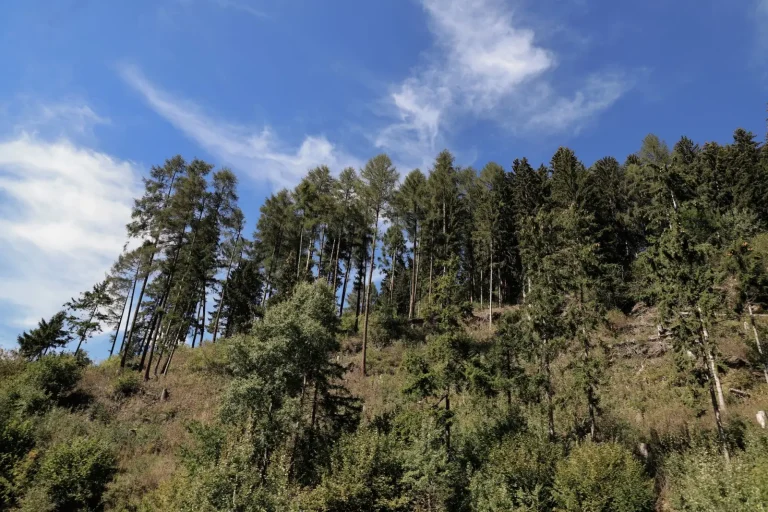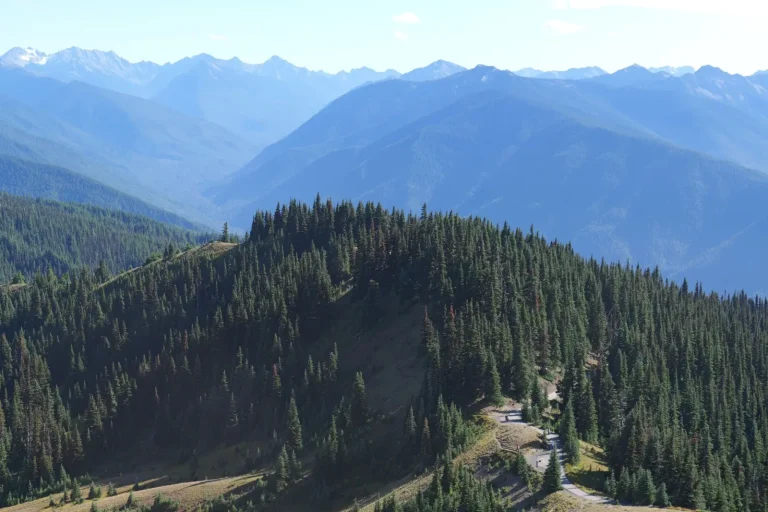

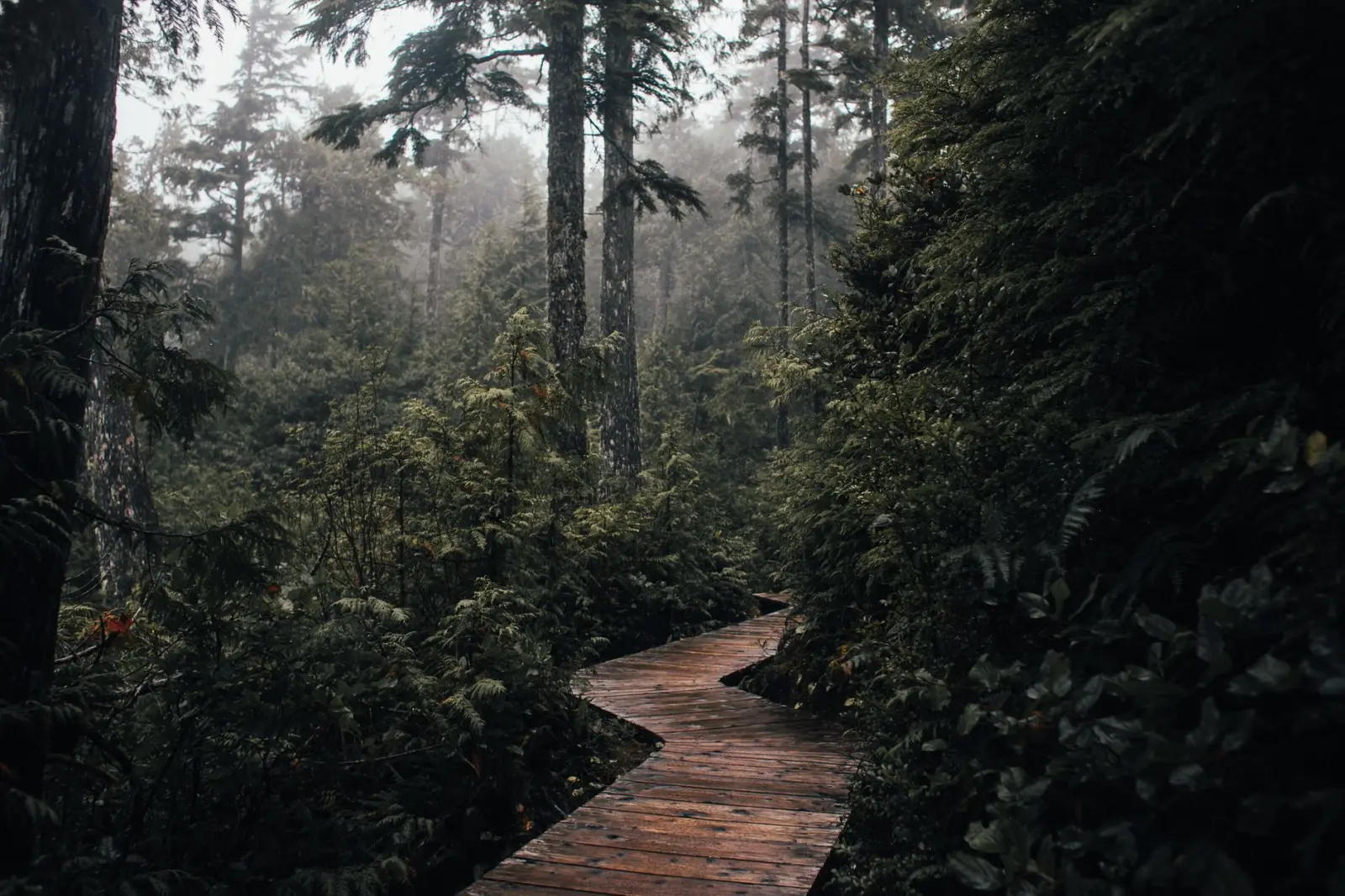
There’s a particular quality to Lamington National Park after rain that catches most visitors off guard. The forest doesn’t feel refreshed or cleaner – it feels heavier, more complex, and genuinely more difficult to move through. I’ve walked these trails dozens of times across different seasons, and the post-rain forest is something altogether different from the dry-weather version most people photograph.
The immediate problem is visibility. Rain doesn’t clear the air in a subtropical rainforest; it thickens it. Moisture hangs between the layers of canopy, and the understory becomes a wall of green that obscures depth and distance. You lose your ability to spot obstacles twenty meters ahead. Roots that would be obvious in dry conditions become invisible beneath a slick layer of wet leaf litter. The ferns – and there are thousands of them at Lamington – droop and cluster together, creating a texture that looks almost solid until you’re pushing through it.
Footing is where the real challenge emerges. The volcanic soil that makes Lamington’s forest so lush also becomes treacherous when saturated. It doesn’t grip like clay; it slides. Rocks that form natural steps on the main trails become skating rinks. I’ve seen experienced walkers lose their footing on sections they’ve walked a hundred times because the angle of their boot meets the surface differently when it’s wet. The fallen logs that serve as informal bridges across creeks become genuinely dangerous – the bark peels away under your weight, and there’s nothing underneath but air and water.
The Drainage Problem
What people don’t anticipate is how water moves through the forest after heavy rain. The trails don’t just become wet; they become temporary streams. The main walking tracks – Picnic Creek, Border Track, and the various loop walks – all funnel water downhill, and within hours of rain stopping, you’re essentially walking through shallow channels of flowing water. This isn’t dramatic; it’s just persistent. Your feet stay wet. Your lower legs stay wet. The moisture wicks up through your socks and into your boots, and there’s no drying out while you’re moving.
The creeks themselves change character entirely. Picnic Creek, which is usually a gentle crossing with defined banks, becomes a proper torrent. I’ve watched the water level rise by a meter or more within an hour of heavy rain in the upper catchment. The rocks that normally offer stable footing become submerged and slippery. The current develops real force. This is when you realize that the “easy” creek crossings on the park maps are only easy under specific conditions, and those conditions don’t include the twelve hours after significant rainfall.
What the Forest Itself Does
The canopy doesn’t drain evenly. Water collects in the upper layers and then releases in concentrated drops that feel less like rain and more like someone throwing water at you from above. You can be walking under what feels like shelter, then suddenly get drenched from a branch ten meters up that’s been collecting and releasing moisture. Your rain jacket stops being useful because the water is coming from multiple angles and heights simultaneously.
The smell changes too. The forest floor releases a rich, almost overwhelming scent – decomposition, soil, and something mineral that’s hard to describe. It’s not unpleasant, but it’s intense. The air becomes saturated with it. You notice this particularly in the lower sections of the forest where the canopy is densest and air circulation is minimal. The smell is actually a useful marker; it tells you the ground is truly saturated and conditions are at their most unstable.
Insects behave differently after rain. Leeches become active and visible. They’re not dangerous, but they’re persistent, and dealing with them requires stopping and attending to them, which breaks your rhythm and adds time to any walk. Mosquitoes emerge in waves. The humidity creates conditions where they breed rapidly, and the standing water in the forest becomes ideal habitat. This isn’t a minor annoyance; it’s a genuine factor in how long you can comfortably spend in the forest.
Timing and Recovery
The forest dries in layers. The canopy sheds water relatively quickly – within a few hours, the dripping from above stops. The trail surface takes longer, usually a full day before it’s genuinely safe to walk without constant vigilance. The soil underneath takes even longer. I’ve noticed that a trail can feel dry on top but remain treacherous underneath for two or three days after rain, particularly in shaded sections that don’t get direct sun.
The best walking conditions at Lamington actually come about eighteen to twenty-four hours after rain stops. The forest has shed the active water, the air has cleared slightly, and the ground has firmed enough to be safe without being completely dry. Walking immediately after rain ends – that first hour or two – is when most accidents happen. People see the rain has stopped and assume conditions are fine. They’re not.
If you’re planning to walk Lamington and rain is forecast, the practical reality is that you’ll either need to adjust your expectations significantly or reschedule. The forest after rain isn’t impassable, but it demands more attention, more time, and more physical effort than the same walk in dry conditions. The views don’t improve, the difficulty increases, and the satisfaction is more about endurance than experience. I’ve done it many times, and I’ve learned that sometimes the better choice is simply to wait.