
Mary Cairncross sits on the Blackall Range west of the Sunshine Coast, and the forest there operates on its own terms. I’ve walked these trails dozens of times across different seasons, and what strikes me most is how little the place resembles the postcard version. The reserve protects a pocket of subtropical rainforest that feels dense and purposeful, not manicured. The walking experience depends almost entirely on understanding what you’re actually moving through.
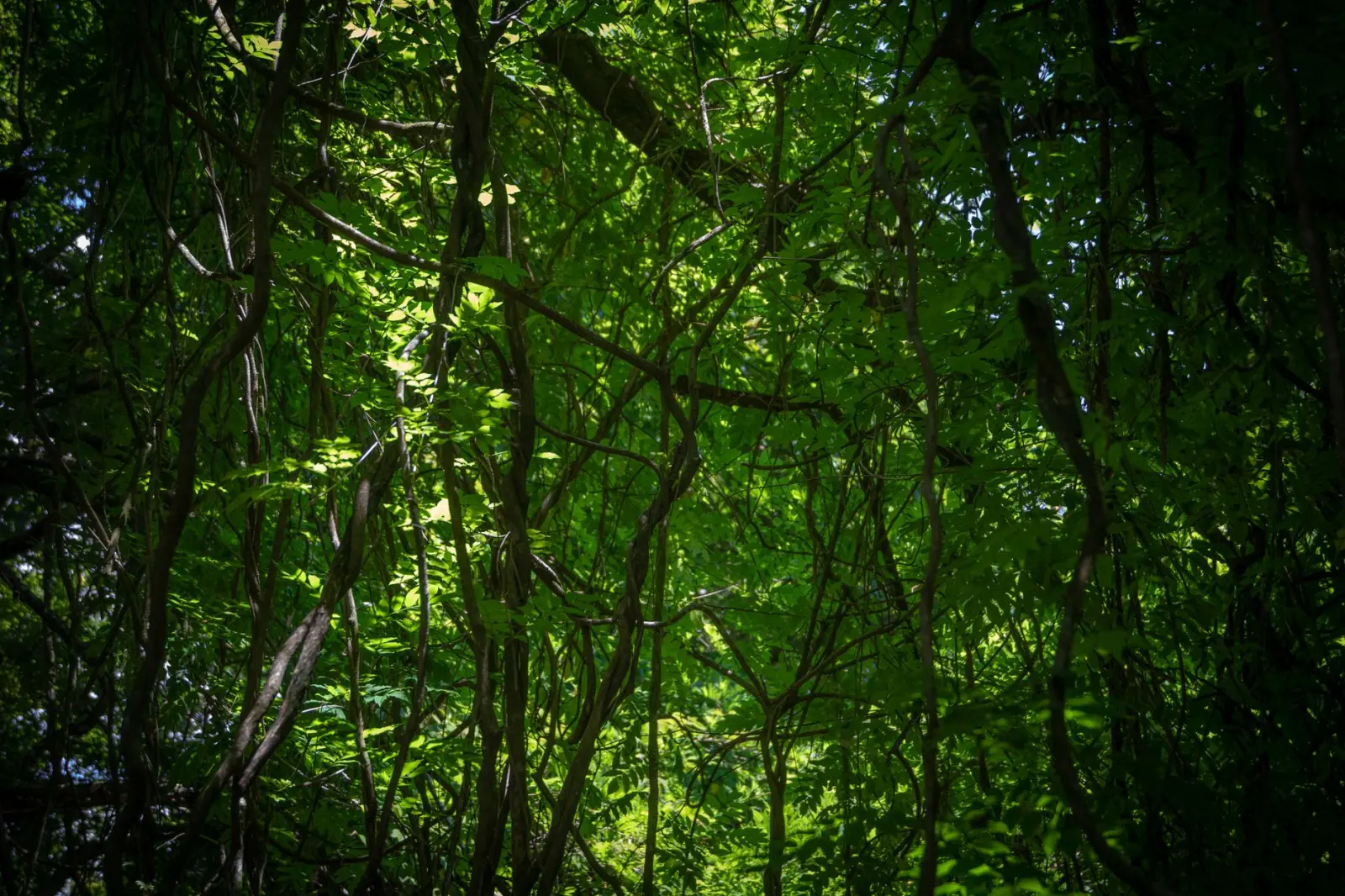
The reserve spans around 55 hectares, but the network of tracks is modest. You’re not dealing with vast wilderness here. What you get instead is concentrated forest – tall trees, thick understorey, and a canopy so complete that light becomes a negotiable resource. The main loop takes most people between 45 minutes and an hour and a half, depending on pace and how often you stop. The secondary trails branch off and add time if you want it, but they follow the same character as the main path.
The terrain itself is the first reality check. This isn’t a flat stroll. The track rises and falls consistently, moving through gullies and across ridges. The elevation gain isn’t dramatic in absolute terms – you’re talking maybe 100 metres of climbing on the main loop – but it’s relentless and uneven. Roots cross the path frequently. Steps are irregular. The ground underfoot changes from packed earth to loose gravel to sections where moisture has softened everything into something closer to mud. Your footing is never quite guaranteed, which means your pace can’t be rushed and your attention can’t drift.
What the Forest Provides and Withholds
The canopy coverage here is substantial. On a hot day, that’s genuinely useful. On a cool day, it means the forest stays cool and damp. What it also means is that the track rarely feels truly exposed. There’s a psychological effect to that – you’re moving through something enclosed, something that has its own microclimate. The air temperature can be noticeably lower than what you’d experience in open sun, sometimes by 5 or 6 degrees. That matters for effort and fatigue.
Water is present but not abundant in accessible form. There’s a small creek that crosses the track in one section, and it’s usually running, but I wouldn’t recommend relying on it as your primary water source. Bring what you need. The forest looks wet and lush, which creates a false sense of water availability. In reality, most of the moisture is locked in the vegetation and soil, not in convenient drinking spots.
The wildlife presence is real but mostly subtle. You’ll hear more than you see. Lyrebirds are common, and their calls can be startling if you’re not expecting them. Various birds move through the canopy constantly. Snakes exist in the reserve, though encounters are rare if you’re making normal amounts of noise. The insects are persistent – mosquitoes in warmer months, various biting flies depending on conditions. The forest isn’t hostile, but it’s also not indifferent to your presence.
Seasonal Patterns and Timing
The reserve performs differently depending on when you visit. In the warmer months, humidity becomes the dominant factor. The forest retains moisture, and the air feels thick. Walking becomes more physically demanding because your body has to work harder to cool itself. The track can be slippery after rain because the soil here doesn’t drain quickly. I’ve seen people lose their footing on what looked like a minor slope because the ground had become almost greasy.
Cooler months – roughly May through September – change the experience significantly. The air is drier, the track is more stable, and the physical effort required is noticeably lower. These are the months when the walk feels most straightforward. Spring brings wildflowers and new growth, which adds visual interest, though it also means more insects and higher humidity as the season progresses.
Early morning walking is standard practice here, and for good reason. The track is quieter, the light is better for navigation, and you avoid the worst of the afternoon heat. By mid-morning on a warm day, the forest feels busier and the temperature has climbed. Late afternoon walks are possible but require attention to daylight. The canopy is dense enough that twilight arrives earlier than you might expect, and the track becomes genuinely difficult to navigate once proper darkness sets in.
Practical Movement Through the Space
The main loop is well-marked, but “well-marked” is relative. The track is clear and obvious if you’re paying attention, but there are junctions where a moment’s inattention could send you down a side path. The signage exists but isn’t excessive. This is appropriate for the scale of the reserve, though it does mean you need to be present while walking rather than operating on autopilot.
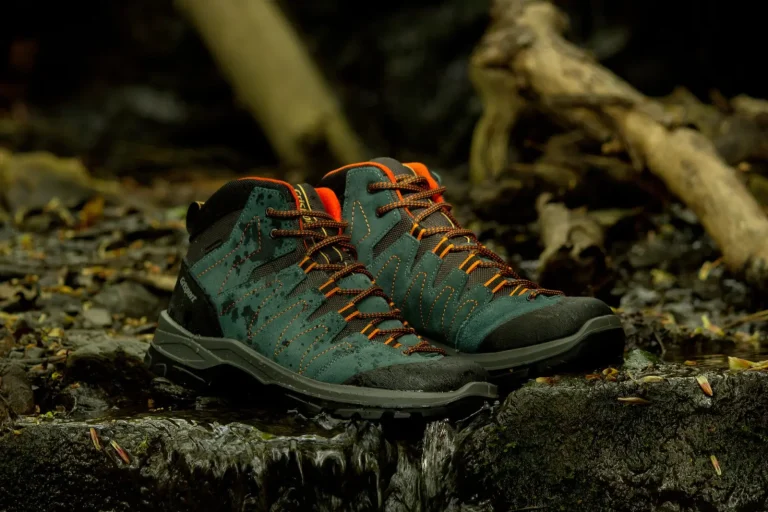
Footwear matters more than many people assume. The combination of roots, uneven ground, and potential moisture means that proper walking shoes or boots are genuinely useful. I’ve seen people attempt this in casual sneakers or sandals, and they invariably move more slowly and carefully, which suggests they’re uncomfortable. The track isn’t technical enough to require serious hiking boots, but it’s uneven enough that ankle support and grip are real advantages.
The walk itself generates a particular kind of fatigue. It’s not the exhaustion of climbing a mountain. It’s the low-level concentration required to navigate uneven ground over an extended period. Your legs work steadily, your attention stays engaged, and by the end you feel like you’ve actually done something, even though you’re not gasping for air. Most people finish the main loop feeling satisfied rather than destroyed, which is probably the intended outcome.
The reserve has facilities at the entrance – parking, toilets, a small information shelter. These are basic but functional. The car park fills on weekends and school holidays, which suggests planning ahead if you’re visiting during peak times. The facilities don’t extend into the forest itself, so you’re carrying what you need for the duration of your walk.
What makes Mary Cairncross work as a walking destination is precisely that it doesn’t try to be something it isn’t. It’s a pocket of real subtropical forest with a track through it. The experience is direct – you move through the environment, you notice what’s there, and you come out the other side having actually walked through forest rather than having consumed a branded experience. The demands are modest but genuine, and that’s where its value sits.