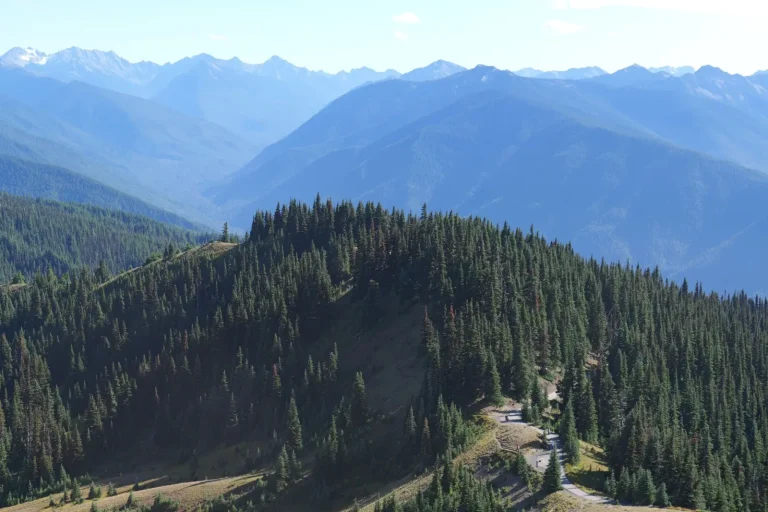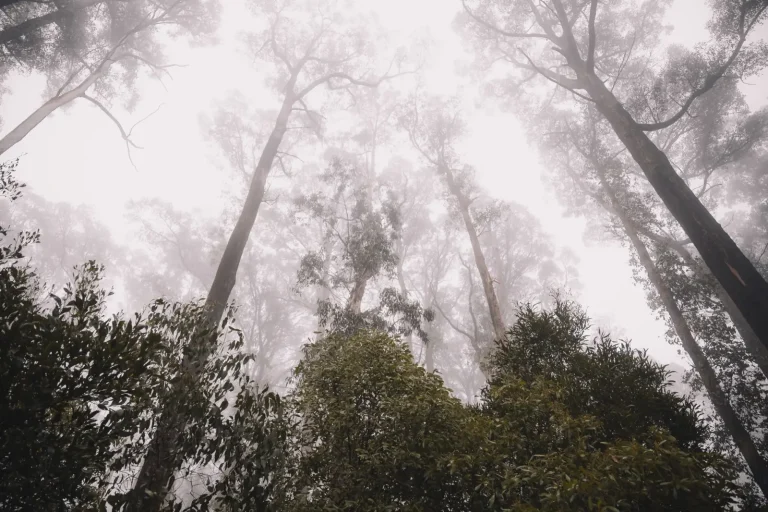

Mount Glorious sits about an hour northwest of Brisbane, and it’s one of those places that looks deceptively manageable on a map. The elevation gain isn’t dramatic – around 500 metres depending on which route you take – and the distance seems reasonable for a half-day outing. What I’ve noticed over repeated visits is that these numbers don’t capture what the walk actually feels like on the ground. The terrain is steep enough that it demands consistent leg strength, the vegetation is dense enough to slow your pace, and the weather patterns are unpredictable enough that you need to plan around them rather than assume conditions will cooperate.
The main walking tracks on Mount Glorious have evolved over years of foot traffic and maintenance cycles. Some sections are well-formed and obvious; others are eroded, root-laden, or overgrown depending on when you visit and how much rain has fallen recently. This isn’t a criticism – it’s just how subtropical bushland works. The sandstone-based soil drains quickly after rain, but the slopes themselves become slippery and treacherous during wet periods. The vegetation recovers fast, which means a track that was clear three months ago might have encroaching growth that makes navigation slower.
The physical reality of the ascent
Most people underestimate how their legs will respond to the sustained gradient. The initial section from the carpark climbs steadily, and while it’s not technical scrambling, it’s relentless. I’ve watched plenty of walkers set off at a pace that looks sustainable for the first 15 minutes, then visibly slow as the cumulative effort compounds. The problem isn’t usually that people lack fitness – it’s that they misjudge how their body responds to continuous uphill work in warm, humid conditions. Even experienced hikers from cooler regions sometimes struggle because they haven’t calibrated their pace for subtropical heat and humidity.
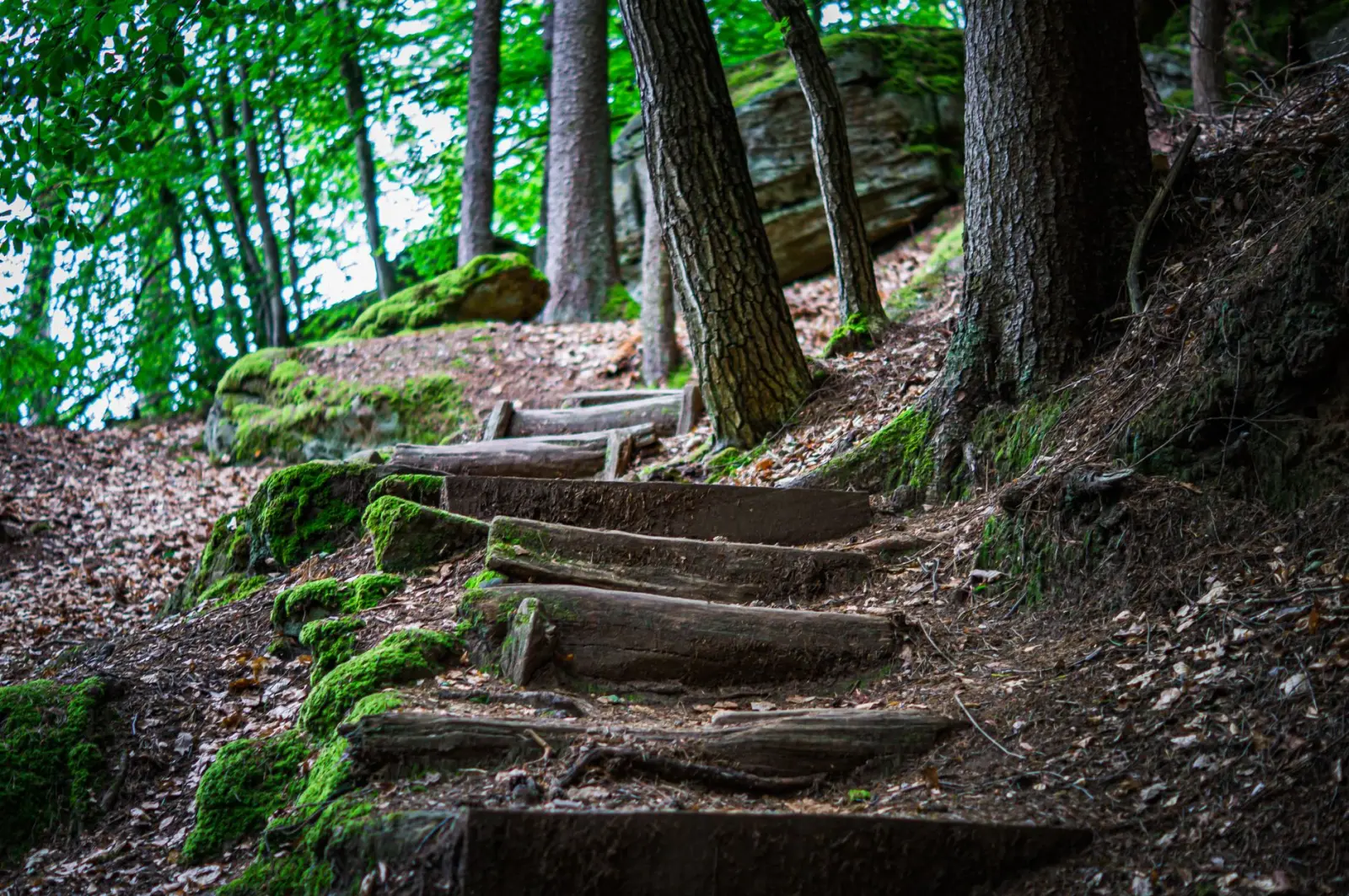
The track surface varies considerably. Sections with exposed tree roots create a natural staircase effect, which some people find helpful for grip and rhythm, but others find jarring and tiring on the knees. Loose gravel and small rocks shift underfoot on steeper pitches, requiring constant micro-adjustments in your stride. This ongoing attention to foot placement is fatiguing in a way that flat, predictable ground isn’t. By the time you’ve climbed for 45 minutes to an hour, your calves and quads are working hard, and mental fatigue from concentration starts to set in.
Water, timing, and the heat factor
I’ve learned to carry more water than the distance alone would suggest. A 6-kilometre round trip in cooler months might need just one litre, but the same walk in summer or on a humid autumn day can demand two litres or more. The shade coverage varies – some sections are under closed forest canopy, which keeps temperatures down but also traps moisture. Open areas near the summit or on exposed ridges offer views but provide no shelter from direct sun. The combination of exertion, humidity, and sun exposure depletes your water reserves faster than you’d expect from the time on trail.
Timing matters more than most casual hikers acknowledge. Starting early – before 8 or 9 a.m. – changes the entire experience. The air is cooler, the sun is lower, and you’ll have the trails mostly to yourself. By mid-morning, especially on weekends, the carpark fills up and the tracks become busy. More importantly, starting late means finishing in afternoon heat, when you’re already fatigued and the temperature is at its peak. I’ve noticed that afternoon walkers tend to move more slowly, take longer breaks, and sometimes abandon their planned route because conditions feel harder than expected.
Navigation and trail conditions
The main routes are marked, but the markings aren’t always obvious, and junctions can be confusing if you’re moving quickly or distracted. The Toohey Forest section, which connects to Mount Glorious, has multiple intersecting trails, and it’s easy to veer onto a less-travelled path that either loops back or leads somewhere you didn’t intend. Carrying a map or having a downloaded offline map on your phone is practical – not because you’ll definitely get lost, but because it removes uncertainty when you reach a fork and need to decide quickly.
After heavy rain, the tracks show erosion and new drainage patterns. Sections that were dry and firm become muddy, and mud on steep slopes is genuinely hazardous. Your boots lose grip, your pace slows dramatically, and the physical effort increases. I’ve found that waiting 48 hours after significant rain is usually wise. The ground needs time to drain, and the vegetation needs time to stop dripping water onto the track. Walking in wet conditions isn’t impossible, but it requires more caution, more time, and more energy than fair-weather walking.
What people often overlook
Fitness level matters less than people think if they pace themselves correctly. I’ve seen fit runners struggle because they tried to maintain a running pace on an incline, and less-fit walkers complete the same route comfortably because they accepted a slower, steady rhythm. The mental aspect is significant too – accepting that you’ll move slowly, that it’s okay to take breaks, and that finishing the walk is the goal rather than achieving a particular time.
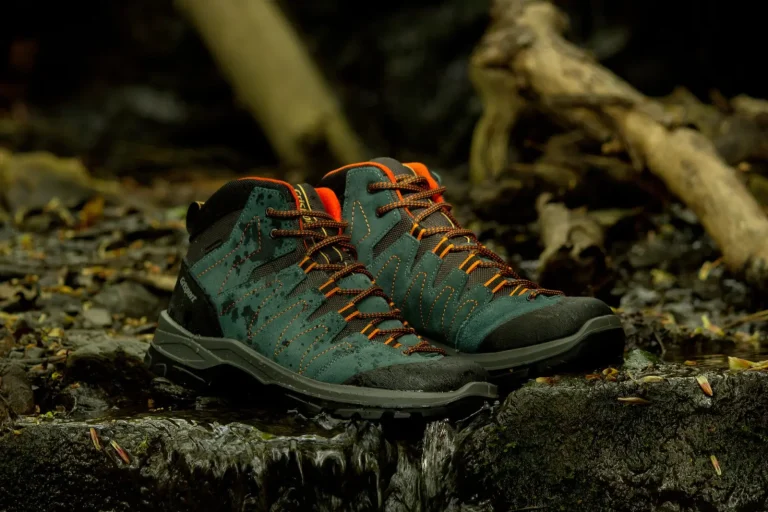
Footwear makes a real difference. Trail shoes with good grip and ankle support reduce fatigue and lower injury risk on uneven, root-covered ground. Casual trainers or road shoes work for some people, but they offer less feedback about foot placement and less protection if you roll an ankle on a root or loose rock. The subtropical environment also means that shoes dry slowly if they get wet, so moisture management matters if you’re planning multiple outings in a short timeframe.
The descent is often harder than the ascent, even though gravity is helping you. Downhill walking places different stresses on your knees and ankles, and the temptation to move faster on the way down can lead to missteps. I’ve noticed that people who took the ascent slowly often rush the descent and end up more tired and sore. Controlling your pace downhill – using the same deliberate rhythm you used going up – preserves your joints and actually gets you off the mountain faster than you’d think.
Mount Glorious rewards preparation and realistic expectations. It’s not a trivial walk, and it’s not a difficult scramble – it sits in that middle ground where most people can complete it, but only if they’ve thought through their approach. The trails themselves are maintained reasonably well, the views from the top are genuine, and the forest environment is worth experiencing. What matters is showing up with enough water, enough time, appropriate footwear, and the acceptance that this is a walk that demands your attention and effort for the full duration.