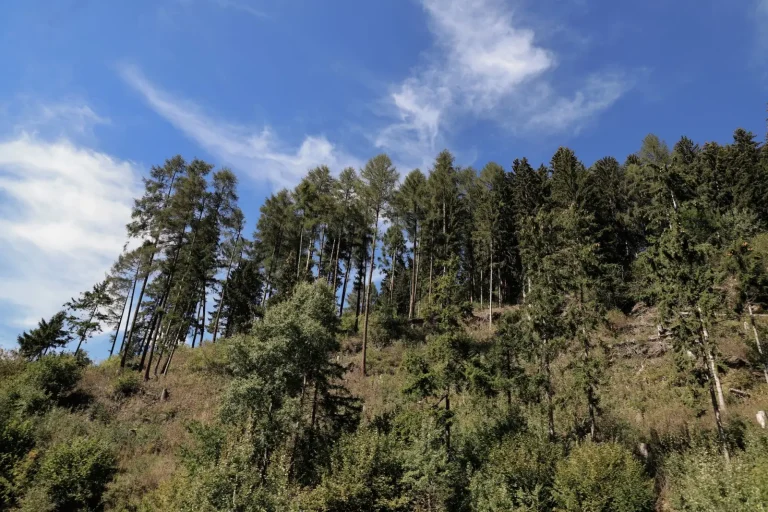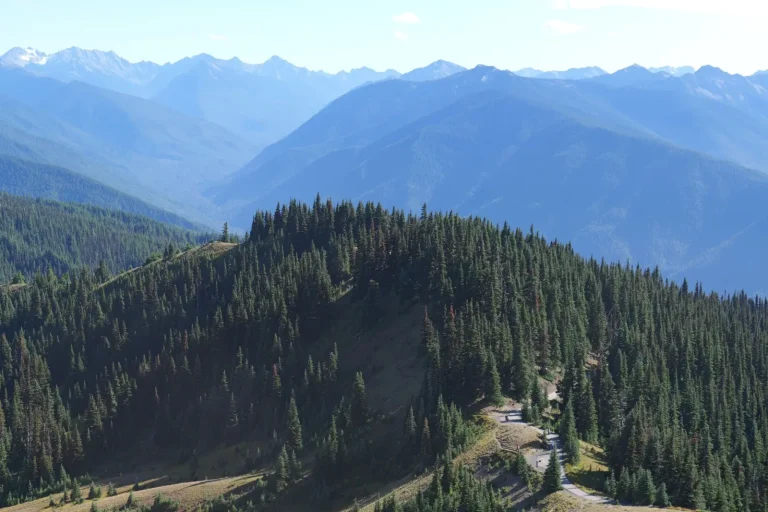

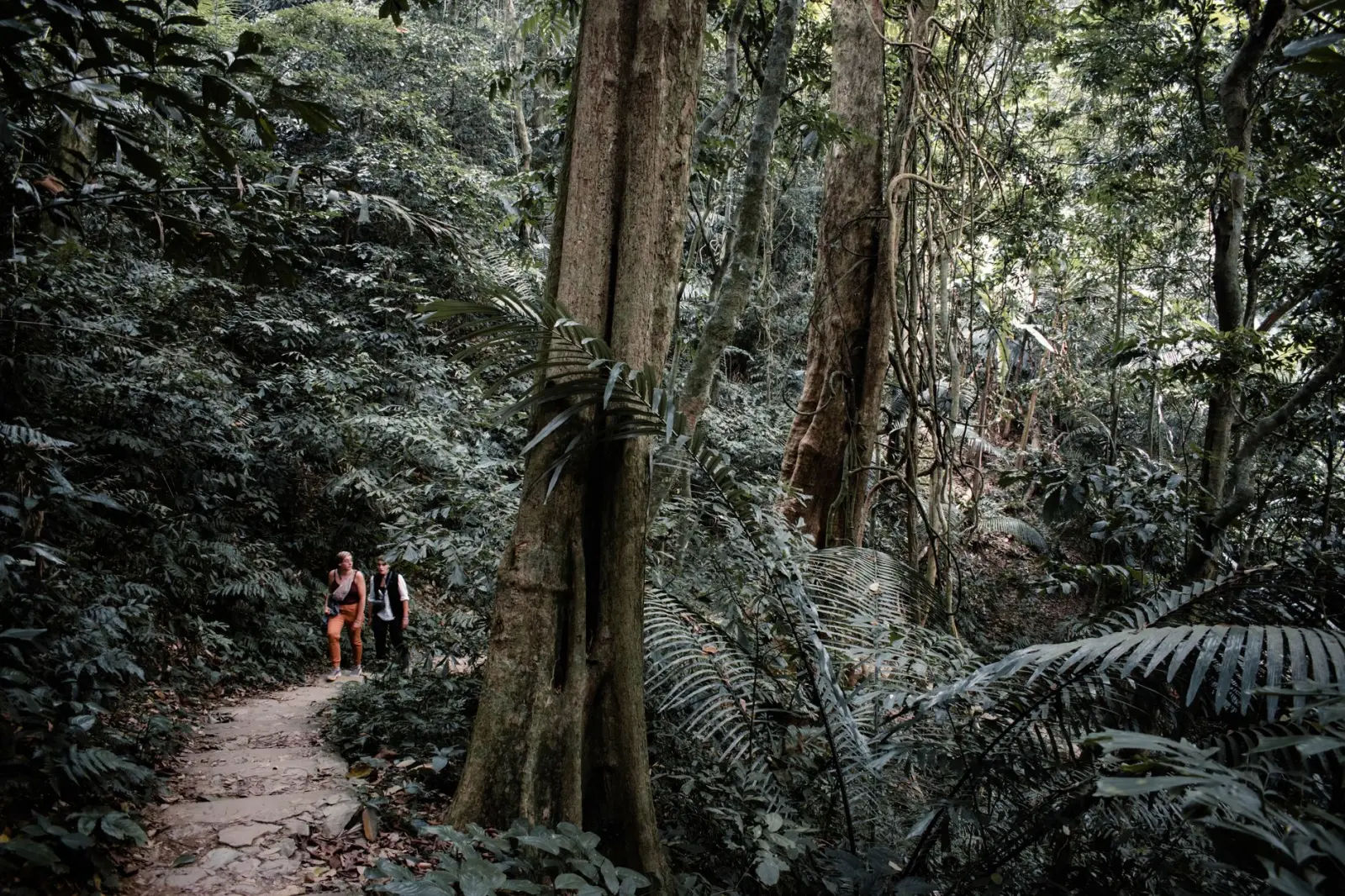
The Atherton Tablelands forest is deceptive in its appearance. From a distance, it looks uniform – a solid block of green rising above the coastal plains. Once you’re inside it, the forest reveals itself as a series of distinct microclimates, each with its own rhythm and demands. I’ve walked these trails dozens of times across different seasons, and the experience is rarely the same twice. What matters most isn’t the distance you cover, but how you move through the forest and what you’re prepared to encounter.
The first thing to understand is that the Tablelands forest is not a casual stroll. The terrain undulates constantly. There are no long, flat stretches where you can settle into a rhythm. Instead, you descend into gullies where the canopy thickens and the air becomes noticeably cooler and more humid, then climb out again where the vegetation opens slightly. These elevation changes accumulate quickly. A trail marked as 8 kilometers will feel significantly longer because your legs are working against gravity throughout the walk, not just at designated “steep sections.”
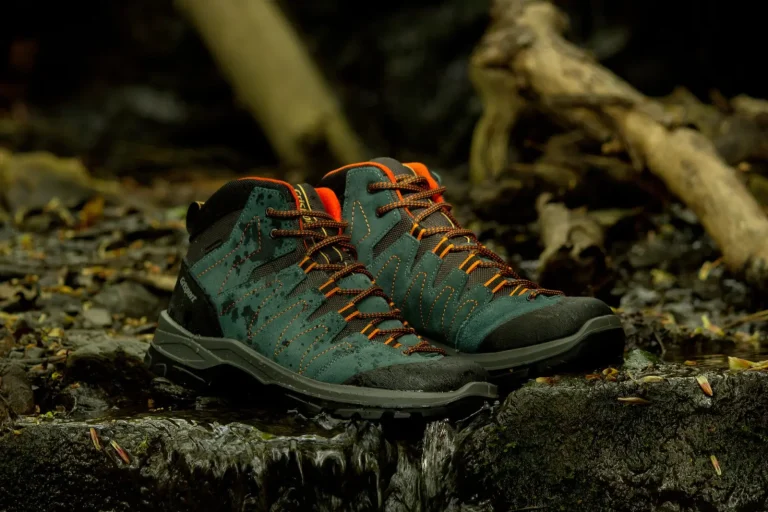
The ground surface itself varies enough to affect your pace and energy expenditure. Some sections have compacted earth that’s relatively stable underfoot. Others are studded with exposed tree roots that demand constant attention. Wet sections – and there are always wet sections, even weeks after rain – become slippery. The mud isn’t the loose, easily-cleaned variety you might encounter elsewhere. It’s dense and clingy, and it adds weight to your boots with every step. I’ve seen people underestimate this and find themselves exhausted halfway through a walk they thought would be straightforward.
Vegetation and Movement
The forest canopy is thick enough that it blocks direct sunlight for most of the day. This keeps temperatures moderate, which sounds pleasant, but it also means the forest floor stays damp. Fungi and mosses thrive, and the vegetation at ground level can be surprisingly dense in places. On narrower trails, you’re occasionally pushing through vegetation rather than walking on a clear path. This isn’t dangerous, but it’s tiring. Your arms are engaged, your pace slows, and you’re constantly aware of where your body is in relation to the plants around you.
Fallen logs are common and usually unavoidable. Some are small enough to step over; others require you to climb over or around them. This constant minor obstacle course wears on your knees and ankles. People often don’t account for this cumulative impact until they’re several hours into a walk and their joints start complaining.
The vegetation also means that views are limited. You don’t get the long sightlines you might have on an exposed ridge walk. The landscape is revealed gradually – a gully appears, then a distant hillside, then it’s obscured again by trees. This can feel claustrophobic to some people, especially if they’re expecting panoramic vistas. The reward is usually a waterfall or a creek at the bottom of a gully, but you have to earn it through the walk itself.
Weather and Humidity
The Atherton Tablelands sits at elevation, roughly 600 to 900 meters above sea level, which means the climate is cooler than the coast but still distinctly tropical. Humidity is the dominant factor. Even on days that feel relatively dry at the start, the forest itself generates moisture. The air becomes progressively heavier as you walk, and this affects how hard your body works. You’ll sweat more than you might expect, even though temperatures are moderate. Dehydration is a real risk, and people often don’t drink enough water early in a walk, thinking they won’t need it because it doesn’t feel hot.
Rain is frequent, and the forest’s canopy provides some protection but not as much as you might think. A light rain becomes a dripping experience within minutes. A heavy rain means the trail becomes significantly more hazardous. Visibility drops, the ground becomes treacherous, and the sound of water makes it harder to hear your own footing. I’ve turned back from walks mid-route because conditions deteriorated faster than expected. There’s no shame in that decision – it’s the practical response to changing circumstances.
The forest also generates its own weather patterns. Mist can form quickly, especially in gullies and near creeks. This isn’t usually a safety issue on well-marked trails, but it does create a disorienting quality to the walk. You lose perspective on where you are in relation to the broader landscape. This affects your sense of time and distance covered.
Pacing and Physical Reality
Most people walk faster on open terrain than they do in forest. The Atherton Tablelands forest demands a slower pace. Not because the trails are difficult in a technical sense, but because of the constant micro-adjustments required. Your feet need to find secure footing, your eyes need to track the path ahead, and your body needs to navigate around obstacles. If you try to maintain a pace you’d use on a road or open track, you’ll exhaust yourself quickly and increase the risk of stumbling or twisting an ankle.
The humidity and the physical demands of the terrain mean that fatigue sets in earlier than it might on a cooler, drier walk. People often misjudge their energy levels and find themselves struggling in the final third of a walk. This is particularly true for visitors from drier climates who aren’t accustomed to sustained exertion in high humidity. Your body is working harder than it feels like it should be.
Starting early in the day is important, not just for daylight hours, but because the forest is noticeably cooler in the morning. By mid-afternoon, the accumulated heat and humidity create a cumulative fatigue that makes the walk feel significantly harder. I’ve noticed that the same walk feels entirely different depending on whether you start at 8 a.m. or 11 a.m.
What You Encounter
The forest is home to various wildlife, most of which you won’t see. Cassowaries are present but rarely encountered. Snakes exist but are not commonly sighted on trails. Leeches, however, are a genuine consideration during wet seasons. They’re not dangerous, but they’re persistent and unpleasant. Insect repellent helps, but doesn’t eliminate the problem. Ticks are more common than leeches and are worth checking for after a walk.
The soundscape of the forest is distinctive. Bird calls are constant, and the sound of water is usually present in the background. This acoustic environment can be disorienting if you’re used to quieter environments. It’s also worth noting that the forest is never silent in the way that some people expect. There’s always something moving, dripping, or calling.
Creeks and waterfall pools are common endpoints or waypoints on Tablelands walks. The water is cold, even on warm days, because it’s fed by springs and rainfall rather than by surface runoff. Swimming is possible but requires deliberate preparation. Most people don’t bring swimwear expecting to use it, which means they either skip the water or get thoroughly soaked.
The forest itself is the primary experience. The walks are worthwhile not because they lead to dramatic destinations, but because moving through this particular landscape offers something that open terrain doesn’t. The immersion in vegetation, the constant engagement with the terrain, and the sensory experience of the tropical rainforest create a different quality of walk than what most people encounter elsewhere. Understanding this before you start shapes how you approach the experience and what you get from it.