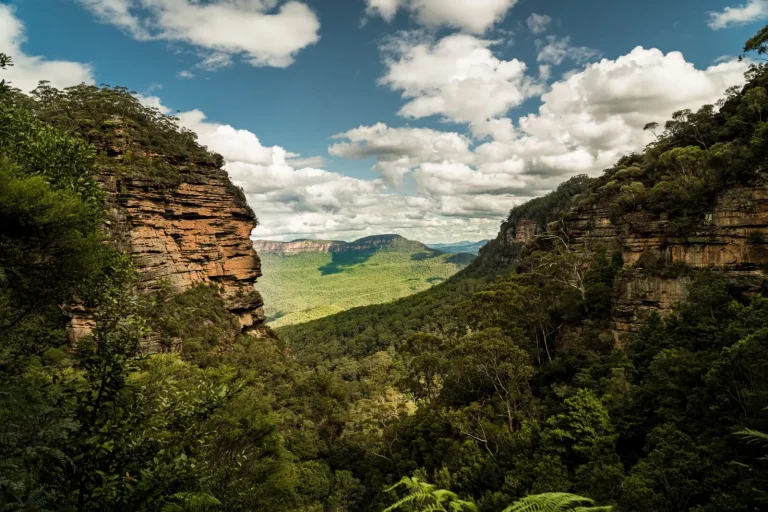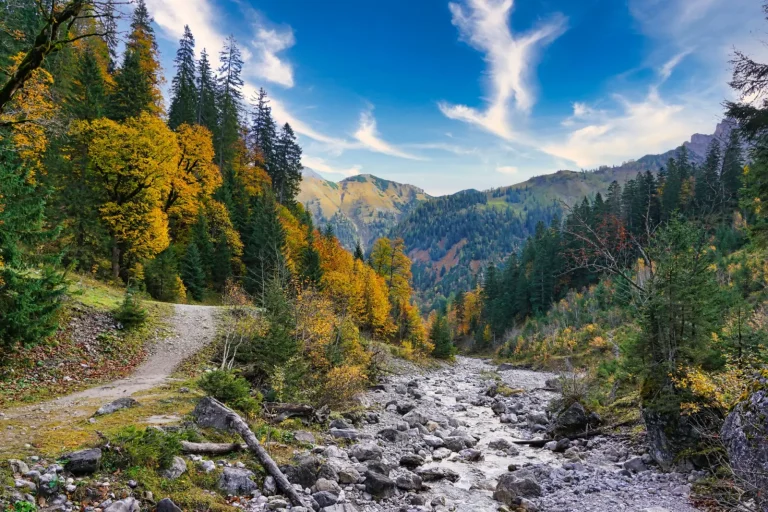

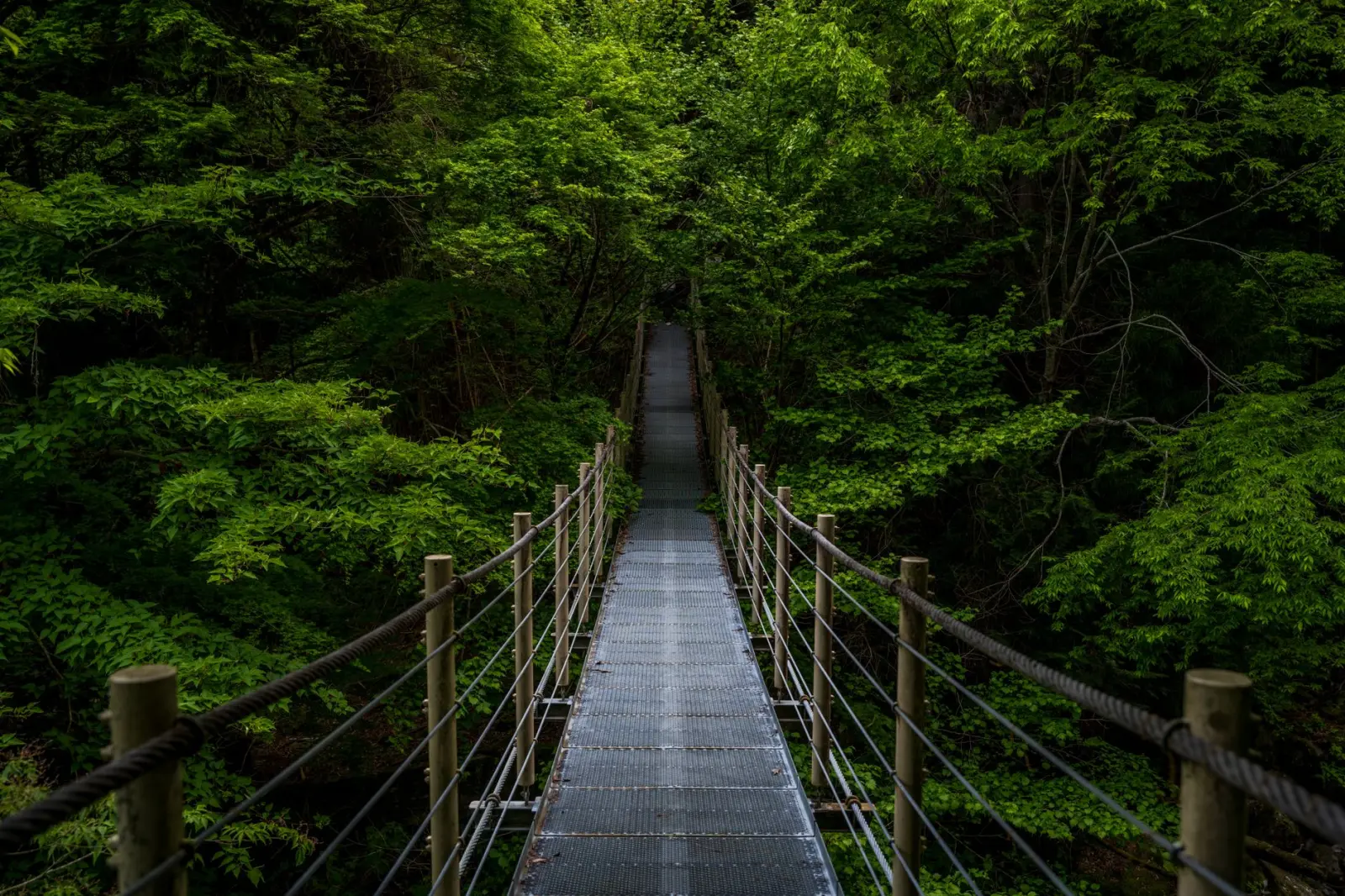
The Bellinger Valley forests sit in a pocket of northern New South Wales where subtropical rainforest meets open eucalypt woodland, and the walking experience shifts depending entirely on which direction you head and what time of year you arrive. After many seasons moving through these trails, I’ve learned that what looks straightforward on a map often plays out quite differently on the ground. The valley’s reputation for lush scenery is earned, but the forests demand more attention to logistics and physical readiness than casual day-walkers typically anticipate.
The terrain itself is deceptive. From a distance, the Bellinger Valley appears gentle – rolling hills covered in dense green. Walk into it, though, and you quickly discover that “gentle” and “forested” don’t always mean easy. The forest floor is rarely flat. Roots snake across paths in ways that catch ankles if you’re not watching. Sections that look like established trails can narrow unexpectedly into scrambles where you’re using hands as much as feet. The canopy is thick enough that light levels drop significantly, which affects both visibility and your sense of distance traveled. A walk that feels like it should take two hours often takes three, simply because the terrain demands slower, more deliberate movement.
Water, Weather, and Seasonal Shifts
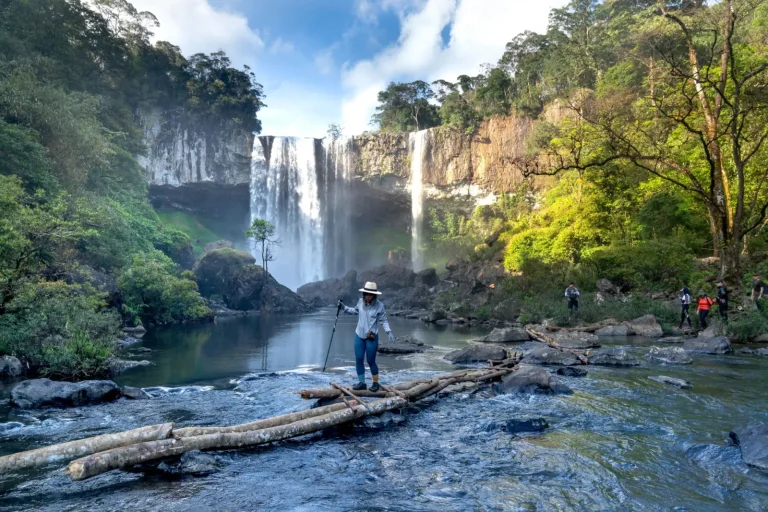
Water is everywhere in the Bellinger Valley forests, but not always where you need it. Creeks run through many of the valleys, and after rain they’re abundant and fast-moving. In drier months, water sources become scattered and less reliable. I’ve seen walkers assume they can refill at any creek crossing, only to find themselves rationing what they carried because the next water source is further than expected. The creeks themselves are cold year-round and can swell quickly during storms, turning a minor crossing into a genuine obstacle. If you’re planning to walk during or just after heavy rain, factor in that water levels change the entire character of the route – some crossings become impassable, and the forest floor transforms into a slippery, muddy surface that slows progress dramatically.
Humidity is the other constant. Even on days when the temperature seems moderate, the moisture trapped under the forest canopy creates a physical weight that most walkers underestimate. You tire faster in this environment because your body is working harder to regulate temperature and manage sweat that doesn’t evaporate efficiently. Morning walks are noticeably more pleasant than afternoon walks for this reason alone. By mid-afternoon, the accumulated heat and humidity combine to make the same trail feel substantially harder than it did in the early hours.
Seasonal timing matters more than many realize. Spring brings wildflowers and active bird life, which is appealing, but it also means the forest is dense with new growth that can obscure trail markers. Summer brings heat and humidity to their peak, which is when most casual walkers show up – often unprepared for how demanding the conditions become. Autumn offers clearer visibility and slightly better temperature regulation, though leaf litter can hide obstacles and make footing less certain. Winter is mild by most Australian standards, but the forest is wetter, and the shorter daylight hours mean you need to start earlier and move with more purpose to avoid finishing in fading light.
Navigation and Trail Condition Reality
The Bellinger Valley has several established walking routes, and their condition varies significantly. Some sections are well-maintained and clearly marked. Others rely on informal track markers that can be ambiguous or even misleading. I’ve encountered junctions where the most obvious path is actually a side trail leading nowhere useful, while the correct route branches off in a less obvious direction. Relying solely on a GPS unit or a phone app can work, but it’s not foolproof – signal drops in valleys, and devices can give false confidence that leads to poor navigation decisions. A paper map combined with careful observation of the landscape remains more reliable than technology alone.
Trail markers fade and shift. Fallen trees block routes and force walkers to make decisions about whether to scramble over, go around, or turn back. The forest changes year to year, and a route description from five years ago might not match current conditions. This isn’t a criticism of trail maintenance – it’s the reality of walking in active forest ecosystems. It means you need to stay present while walking rather than operating on autopilot, and you need to be willing to adjust your plans if conditions don’t match your expectations.
Physical Demands and Pacing
The Bellinger Valley forests don’t necessarily have extreme elevation gain, but the terrain is relentlessly undulating. You’re constantly moving up and down, which is more taxing than a single long climb followed by a descent. Leg fatigue accumulates differently in this kind of walking. Your quads work hard on descents, your calves on climbs, and the constant balance adjustments required on uneven ground engage stabilizer muscles that don’t get as much work on smoother trails. By the end of a full day, the fatigue is distributed across your entire lower body in ways that can catch you off guard if you’re used to more predictable terrain.
Pace expectations need to be realistic. A fit walker might cover 4 kilometers per hour on open ground, but in the Bellinger Valley forests, 2.5 to 3 kilometers per hour is more typical for sustained walking. This isn’t about fitness level so much as terrain constraints. The forest simply doesn’t allow faster movement without increasing injury risk. Underestimating this is one of the most common mistakes I observe. Walkers plan their day based on distance, not accounting for how much slower that distance actually takes to cover.
Practical Considerations for the Day
Footwear matters more than people expect. The forest floor is often wet or muddy, and roots create tripping hazards. Trail shoes or light hiking boots with good ankle support and aggressive tread patterns perform significantly better than runners or casual walking shoes. I’ve seen experienced walkers slip and turn ankles in inadequate footwear, not because they were careless but because the terrain simply demands better grip and support.
Insect pressure varies seasonally but is rarely zero. Mosquitoes are present year-round near water, and leeches can be an issue in wetter months. Neither is typically dangerous, but they’re persistent enough to be annoying. Long sleeves and insect repellent are practical additions, though they add to the overall heat burden. Some walkers accept the bites as part of the experience; others find the distraction significant enough to affect their enjoyment.
The Bellinger Valley forests reward slow, attentive walking. They’re not a place to rush or to expect the experience to match a brochure description. What they offer instead is genuine forest immersion – the sound of water, dense shade, and the constant puzzle of reading the landscape as it unfolds. The difficulty isn’t technical climbing or extreme exposure; it’s the accumulated demand of sustained movement through terrain that doesn’t yield easily. Understanding this before you start makes the actual experience more satisfying and safer.