
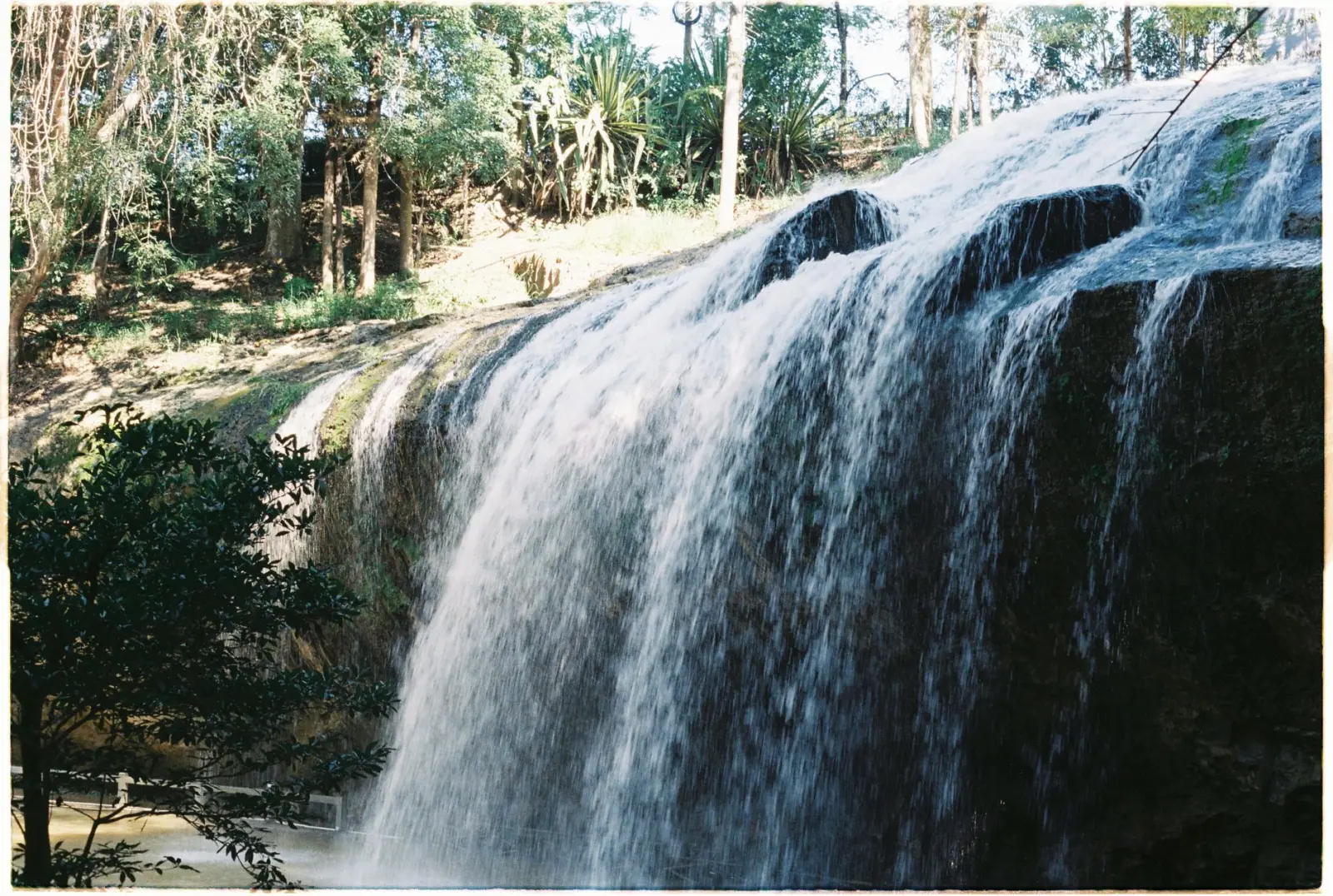
Josephine Falls sits in the rainforest west of Innisfail, Queensland, and has become a reliable destination for people looking for a natural swimming hole without traveling too far inland. The waterfall itself is modest in height – around 20 metres – but the pool beneath it holds cold, clear water year-round. I’ve visited the site multiple times across different seasons, and the experience varies considerably depending on rainfall, time of day, and how much foot traffic has arrived before you.
The falls are accessible via a walking track that begins at a small carpark. The walk itself takes roughly 10 to 15 minutes on foot, depending on your pace and how recently the track has been maintained. The terrain is relatively straightforward – packed earth and some rock steps – but it becomes slippery when wet. This matters more than people expect. I’ve seen visitors arrive in inadequate footwear and spend the return journey moving cautiously or, in a few cases, turning back early because they felt unsafe on the descent.
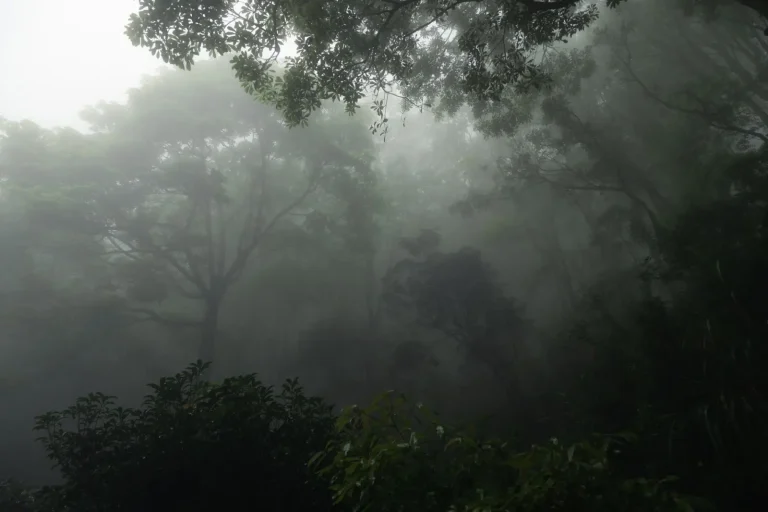
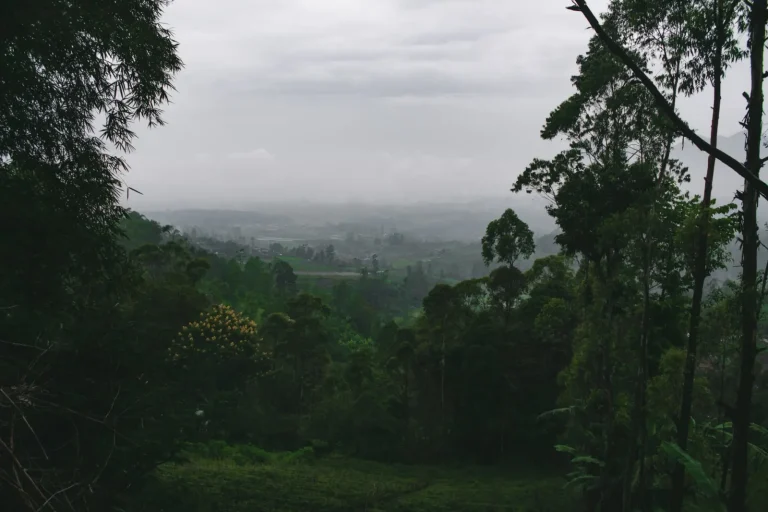
The forest around the falls is dense tropical rainforest, and it shapes the entire experience. The canopy is thick enough that the area remains cool even on hot days, which is one reason people find the location appealing. However, this same density means the track can stay damp for hours after rain, and in the wet season, it can be genuinely muddy. The humidity is often higher than you’d expect based on the air temperature alone, so physical exertion on the walk in feels more demanding than the distance suggests.
Water Conditions and Swimming Reality
The pool at Josephine Falls is deep enough for swimming, but the water temperature rarely rises above 18 degrees Celsius even in summer months. This is not a warm, leisurely swim. Most people spend 5 to 10 minutes in the water before the cold drives them out. Visitors who arrive expecting tropical warmth often underestimate this and find themselves uncomfortable within minutes. The water clarity is generally good, which is reassuring for people concerned about visibility, but the cold is a legitimate physical constraint that shapes how long anyone actually stays immersed.
The pool floor is rocky and uneven. There are smooth sections where people can stand safely, but also areas with sharp edges and unexpected depth changes. I’ve watched visitors step confidently into what they assumed was shallow water only to find themselves suddenly out of their depth. Wearing water shoes or sandals is genuinely practical here, not just a precaution. The rocks also mean that the pool is not ideal for young children or weak swimmers, despite how inviting it looks from the bank.
During the wet season, the falls can swell significantly after heavy rain. The water becomes turbid, the flow increases, and the pool’s character changes entirely. Swimming becomes less appealing and potentially unsafe. The track also becomes more treacherous. I’ve been to the site the day after significant rainfall and found the volume of water impressive but the overall experience less pleasant – visibility is reduced, the noise is louder, and the sense of tranquility that many people seek is replaced by something more chaotic.
Timing and Crowd Patterns
Josephine Falls has become busier over the past several years. Early morning visits – before 9 a.m. – tend to offer a quieter experience. By mid-morning, especially on weekends, the carpark fills up and the track becomes noticeably crowded. This affects not just the feeling of the place but also practical matters like finding a safe spot to change clothes or leave belongings. Late afternoon visits can work well if you’re flexible with timing, though you’ll be conscious of daylight fading as you make the return walk.
School holidays and public holidays transform the site. I’ve arrived during these periods to find the carpark full and a queue of people waiting to enter the water. This is worth knowing if solitude or a relaxed pace matters to you. The social experience shifts from a quiet forest visit to something more like a public pool in terms of atmosphere.
What the Surrounding Forest Offers
The forest itself is worth attention if you have time beyond the swim. The vegetation is typical of Queensland’s wet tropics – large trees, ferns, and dense understory growth. Bird life is present, though often heard rather than seen. The canopy is high enough that the forest floor receives dappled light, creating a visually interesting environment. Some visitors spend time simply sitting on the rocks and observing the forest rather than focusing exclusively on swimming.
The forest also means insects. Mosquitoes are present, particularly in the early morning and late afternoon. Leeches can be an issue during and after wet periods. Neither is a reason to avoid the site, but they’re worth factoring into your comfort level and your choice of clothing. Light, long sleeves and pants are more practical than exposed skin if you’re sensitive to insect bites.
The walk back up the slope after swimming is where fatigue becomes noticeable. Wet skin, damp clothing, and the physical effort of climbing back to the carpark on a warm day can catch people off guard. I’ve observed visitors who seemed fine on the descent arriving back at the carpark looking genuinely exhausted. This is partly dehydration – people often don’t drink enough before or after the swim – and partly the cumulative effect of heat, humidity, and physical exertion.
Practical Logistics
The carpark is small and has limited facilities. There’s no food or water available on-site, so bringing supplies is essential. There are toilet facilities, which are basic but functional. The lack of shade in the carpark means your car will be hot when you return, and any items left inside will be uncomfortably warm.
The nearest town with services is Innisfail, roughly 20 minutes away by car. If you need to buy supplies or fuel, plan for that before you arrive at the falls. Mobile phone reception at the site is inconsistent, so don’t rely on it for navigation or emergencies.
Josephine Falls works best as a half-day outing rather than a full-day destination. The walk is short, the swim is brief due to cold water, and the surrounding forest, while pleasant, doesn’t offer extensive exploration opportunities. People who arrive expecting a full day of activity often find themselves back at the carpark with several hours of daylight remaining. This isn’t a criticism – it’s simply the reality of the site’s scale and what it actually provides.