
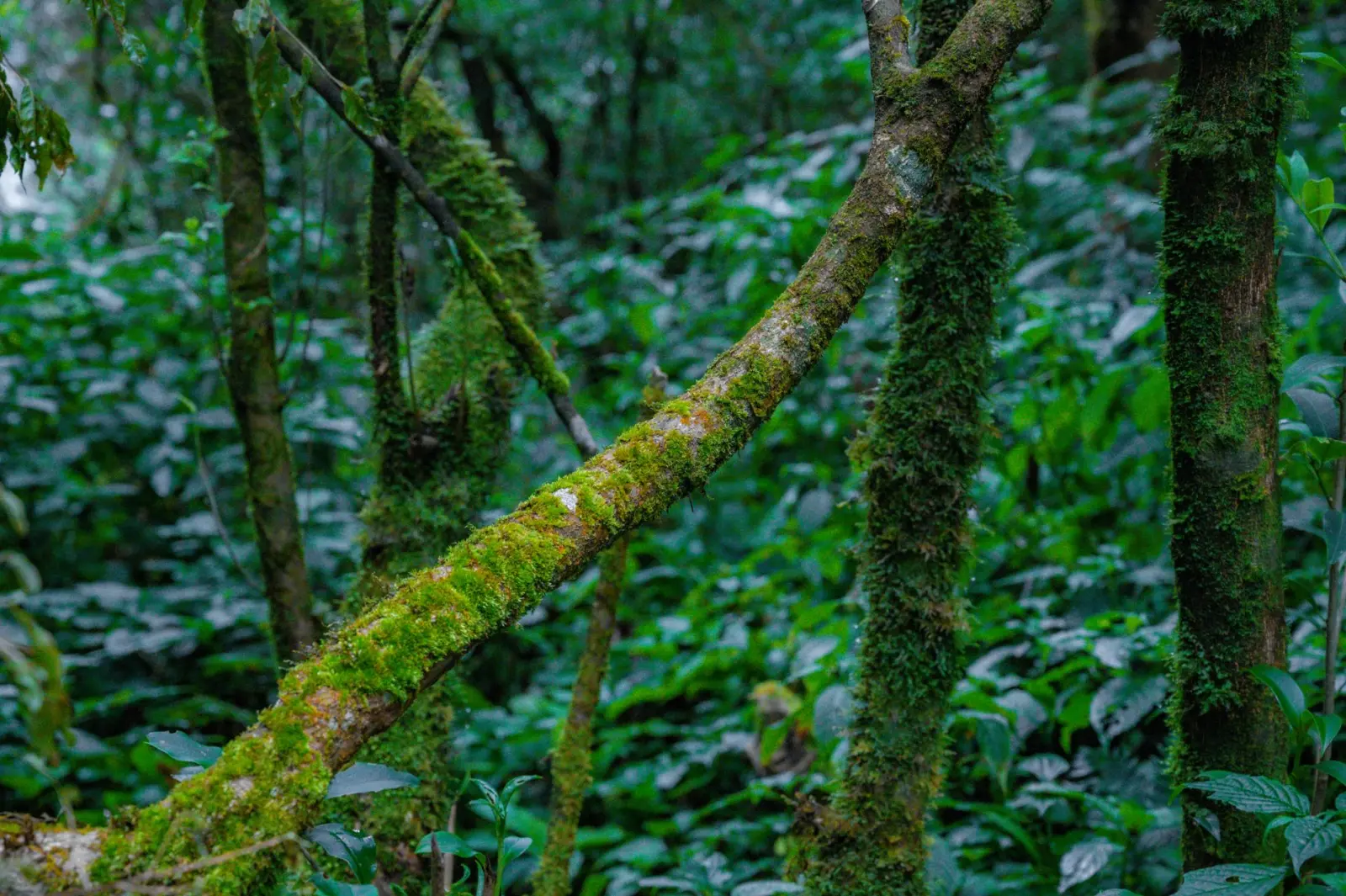
Spend enough time moving through a tropical forest, and you stop seeing vines as incidental details. They become the dominant architecture. A single stem can be thicker than your leg, stretching hundreds of feet into the canopy, supporting its own weight plus the weight of epiphytes, moisture, and decay. The size is genuinely shocking the first time you encounter it – and it stays shocking because the conditions that allow it are specific and relentless.
The fundamental reason vines reach such proportions in the tropics comes down to three overlapping factors: abundant vertical space, year-round growing conditions, and reliable structural support. In temperate forests, vines exist but remain modest. A grapevine or wild clematis might climb 20 or 30 feet. In the tropics, the same biological machinery produces something that can climb 300 feet or more, sometimes thicker at the base than a man’s torso. The difference isn’t the vines themselves – it’s the environment that permits them to keep growing without interruption.
Vertical Space as the Primary Driver
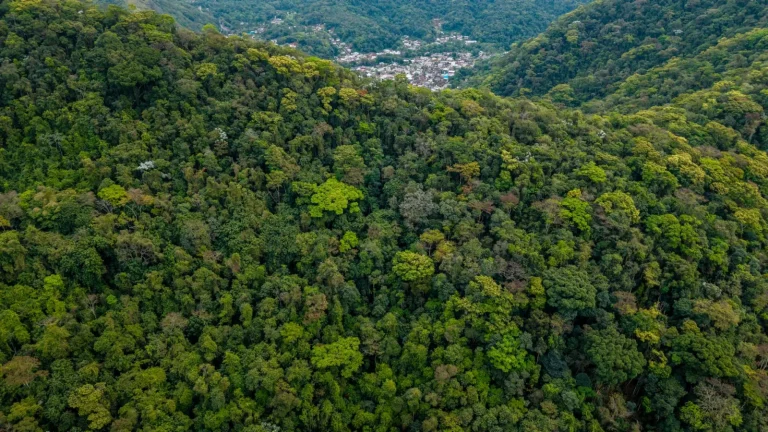
Tropical rainforests have a structure that temperate forests simply don’t maintain. The canopy is tall, often 100 feet or more, sometimes reaching 150 feet or beyond. That height creates an immense vertical corridor. A vine doesn’t stop growing when it reaches 30 feet because there’s no reason to stop. There’s more light above, more space to exploit, and no seasonal pressure to consolidate resources and prepare for dormancy. The vine keeps extending, wrapping around whatever trees stand in its path, adding girth as it climbs.
This is different from what happens in a temperate forest. Deciduous trees drop their leaves in autumn. Vines respond by entering dormancy. Growth halts. Resources are redirected to root systems and stored carbohydrates. The vine might add only a few feet of new growth per year, and much of that is lost to die-back during winter. In the tropics, there is no winter. There’s no signal to stop. A vine can add 10 or 15 feet of new growth in a single year, year after year, for decades.
Moisture and Nutrient Availability
Tropical forests maintain high humidity and frequent rainfall. A vine’s leaves can photosynthesize efficiently in that environment. The soil stays moist, so root systems can support rapid growth without stress. In drier climates or seasonal environments, a plant must invest heavily in drought tolerance – thicker bark, smaller leaves, reduced growth rate. In the tropics, a vine can afford to be aggressive. Its leaves can be thin and efficient. Its stem can be relatively undefended because the constant moisture means less risk of desiccation.
The nutrient cycling in tropical forests also matters. Decomposition happens quickly in warm, wet conditions. Fallen leaves, dead wood, and other organic matter break down fast and release nutrients that become available to growing plants. A vine’s roots, often shallow and spread across a wide area, can access these nutrients as they become available. The system is efficient in a way that temperate forests, with their slower decomposition rates and seasonal nutrient pulses, simply are not.
Structural Support and Competition
A vine needs something to climb. In the tropics, the forest is dense with trees. There’s no shortage of support structures. A vine can climb one tree, then move laterally to another, creating a network of stems that distributes its weight and maximizes its exposure to light. The vine doesn’t need to be self-supporting – it’s a parasite on the forest’s structure, but a productive one.
Competition for light is intense in tropical forests. The canopy is crowded. A vine that stays on the ground or climbs only partway up a tree will be shaded by taller neighbors. The only way to access abundant light is to reach the top of the canopy. This creates selection pressure for vines that can grow tall and fast. The largest vines are often those that have found the most efficient routes to the canopy and the most stable support systems. Some vines develop elaborate strategies – they climb quickly when young, then thicken dramatically once they’ve reached productive light levels.
I’ve observed vines that seem to grow in phases. The early years are about height. The vine is thin and flexible, racing upward through the understory. Once it reaches the canopy, growth shifts. The stem thickens. The plant invests in structural support rather than continued height gain. This makes sense energetically – there’s no point in growing taller if you’re already at the light source. Better to become robust enough to support the weight of leaves, flowers, fruits, and the accumulated epiphytes that will colonize you.
Age and Accumulation
Giant tropical vines are old. Some are probably 50 or 100 years old or more. A vine that grows 10 feet per year for a century will be 1,000 feet long. In reality, growth rates slow with age, but the principle holds. The oldest vines are the largest ones, and they’ve had time to accumulate mass in ways that younger vines haven’t. They’ve also had time to develop complex branching patterns, multiple stems, and intricate root systems that distribute their weight and maximize their resource uptake.
The age factor also explains why giant vines are often found in undisturbed forests. They need time to grow. They need stability. A forest that’s being logged or cleared regularly won’t develop the giant vines that characterize old-growth tropical forests. The largest specimens are indicators of forest age and stability, not just of favorable growing conditions.
What’s often overlooked is that a giant vine is also a giant liability for the tree supporting it. The weight is real. I’ve seen trees that have been slowly bent by the weight of the vines growing on them, their trunks curved in ways that suggest decades of pressure. Some trees eventually collapse under the load, and when they do, the vines come down with them, creating gaps in the canopy that reset the local competition for light.
The size of tropical vines isn’t mysterious once you understand the conditions. Year-round growth, abundant vertical space, reliable moisture, and structural support create an environment where vines can become giants. It’s not that tropical vines are fundamentally different from temperate ones – they’re just living in a place where nothing stops them from growing as large as their biology permits. That’s the real difference between a vine that reaches 30 feet and one that reaches 300.