The Big Scrub rainforest in northern New South Wales sits in a peculiar ecological position. It’s not the dense, impenetrable jungle of popular imagination, and it’s not a simple woodland either. After spending considerable time moving through this landscape, you develop a sense that the wildlife here operates on different rules than what you encounter in other Australian ecosystems. The animals aren’t performing for observers. They’re responding to a specific set of conditions that have shaped this pocket of subtropical rainforest for thousands of years.
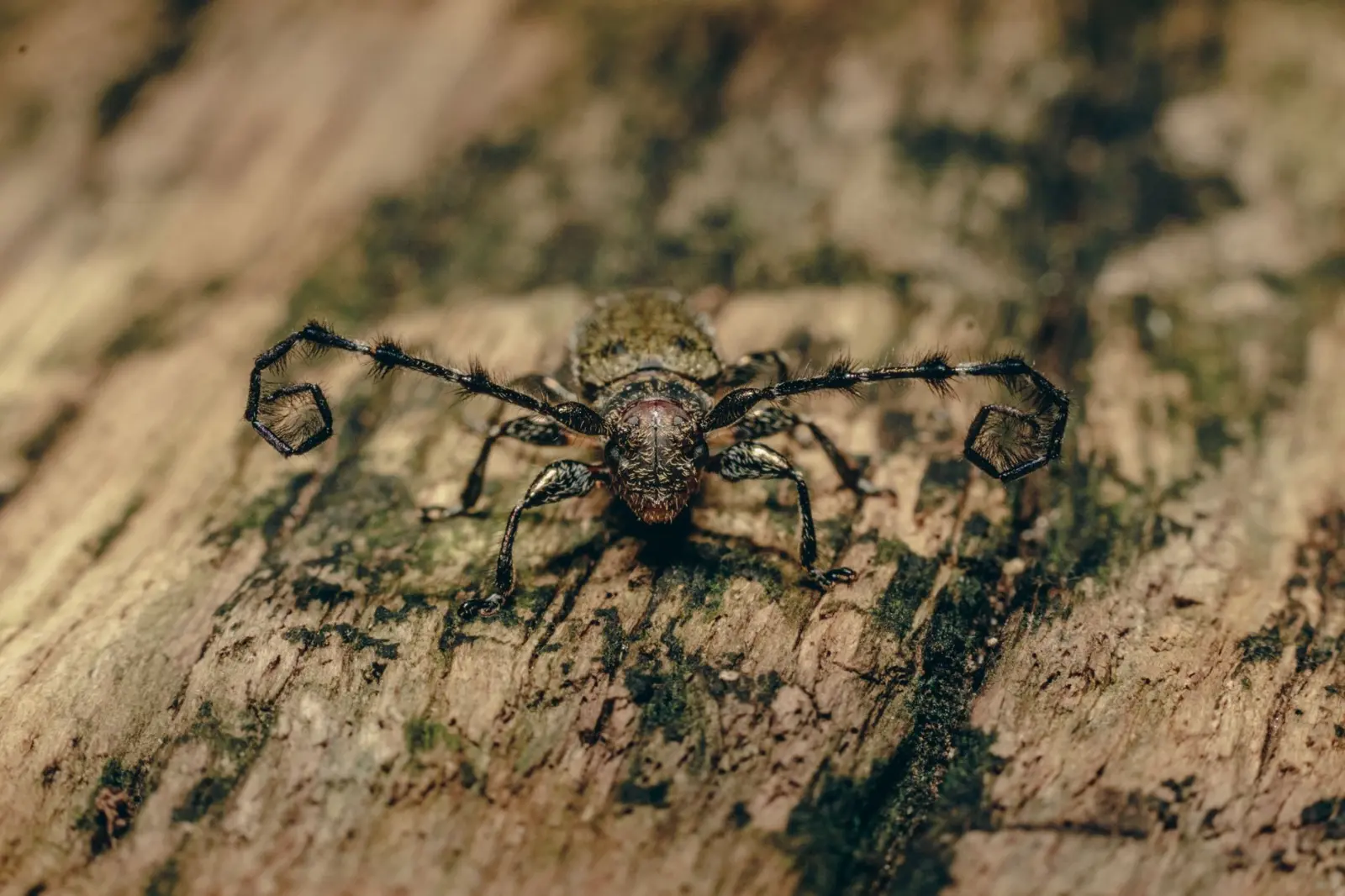
What strikes you first is the sheer density of small creatures. You won’t see them all at once, or even most days, but the forest floor and mid-story layers are populated with life in ways that open eucalypt forests simply aren’t. Insects dominate by volume and diversity. Beetles, ants, spiders, and countless arthropods you’ll never identify make up the bulk of the biomass and activity. This isn’t incidental. These invertebrates drive the entire food web here, and their presence or absence in any given season directly influences what larger animals you’re likely to encounter.
The Birds: Abundance and Frustration
Birdwatching in the Big Scrub teaches patience in ways that few other Australian habitats do. The forest is loud with bird calls, especially in early morning, but seeing the birds themselves is another matter entirely. The canopy is thick enough that you’re often tracking calls to birds you’ll never actually lay eyes on. The rainforest pigeons – topknots, wompoo, and rose-crowned – are common here, but you’re more likely to hear their distinctive calls than see them perched. They move through the upper levels where the fruit-bearing trees concentrate.
Smaller passerines are everywhere and nowhere simultaneously. Regent bowerbirds, paradise riflebirds, and various honeyeaters work the flowering trees, but they move fast and rarely stay in one spot long enough for comfortable observation. The logrunners and ground-feeding birds are easier to locate if you move slowly and watch the leaf litter carefully. You’ll see them scratching and foraging, particularly in the quieter sections where human disturbance is minimal. The scrubturkey is common and bold, especially near walking tracks where people have inadvertently created feeding opportunities.
What changes your experience is understanding the seasonal patterns. Flowering cycles in the rainforest are staggered across the year, which means bird activity shifts accordingly. When certain trees fruit heavily, you’ll see concentrations of species you might not encounter at other times. The dry season, roughly May through September, tends to be more productive for birdwatchers because the vegetation is less dense and birds move more predictably between food sources.
Reptiles: Presence and Absence
Reptiles in the Big Scrub are less conspicuous than you might expect for a rainforest environment. Snakes are present but rarely encountered, even during warmer months. The carpet python is the most commonly sighted species, and it’s typically found in trees rather than on the ground. Pythons here tend to be active in warmer months and are often seen crossing tracks at dusk or early evening. The scrub python, a smaller species, inhabits the higher canopy and is almost never observed by casual visitors.
Lizards are more visible, particularly the larger species. The lace monitor is present and occasionally spotted, though not frequently. Smaller skinks and dragons are common in the leaf litter and on fallen logs, but they move quickly and blend into the environment effectively. The blue-tongue lizard, while not exclusively rainforest, does occur here and tends to be more active during warmer months. What you notice over time is that reptile activity is heavily dependent on temperature and humidity. Cool, dry periods see fewer sightings, while warm, humid conditions bring more movement and visibility.
Mammals: Nocturnal and Elusive
The mammal fauna of the Big Scrub reflects a broader pattern in Australian rainforests: most species are nocturnal or crepuscular, which means you need to be present at specific times to have any realistic chance of encountering them. The brush possum is common and vocal, particularly at night. You’ll hear them far more often than you’ll see them, though they do occasionally appear in trees near walking tracks, especially if there’s supplementary feeding in nearby residential areas.
Gliders inhabit the canopy, and their presence is often indicated by droppings and feeding marks on trees rather than direct sightings. The sugar glider and feathertail glider are both present, but observing them requires patience and often a bit of luck. The yellow-bellied sea eagle occasionally moves inland from coastal areas, but this is not a common occurrence. Wallabies and bandicoots do occur in the Big Scrub, but they’re most active during dawn and dusk, and they avoid areas with heavy human traffic.
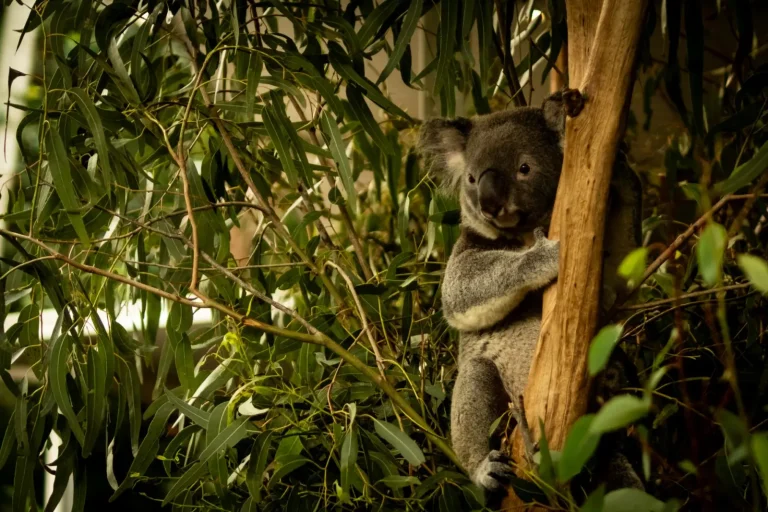
The koala is notably absent from the Big Scrub, despite the presence of eucalypt species. This is often surprising to visitors who assume koalas inhabit all Australian forests. The historical range of koalas didn’t extend to this region, and they haven’t naturally recolonized it. The absence is ecologically significant because it reflects the distinct history and character of this particular rainforest pocket.
Seasonal Rhythms and Visitor Timing
Understanding when to visit shapes what you’ll actually observe. Spring, from September through November, brings increased activity across multiple taxa. Breeding seasons for birds and mammals align with improving food availability, and you’ll see more movement and hear more vocalizations. Summer is warm and humid, which favors reptile activity and insect abundance, but it’s also the wet season, and access to some areas can be compromised by flooding and muddy conditions.
Autumn and winter are quieter periods. Fewer birds are actively breeding, and many species become less vocal. Reptile activity drops noticeably as temperatures cool. However, this period can be excellent for observing ground-feeding birds and mammals because the reduced vegetation density improves visibility. The trade-off is that you’ll see fewer species overall, but the ones you do encounter tend to be more predictable in their behavior and location.
The practical reality of wildlife observation in the Big Scrub is that you need to adjust your expectations based on the season, time of day, and weather conditions. Early morning is almost always better than midday. Overcast, humid days tend to produce more activity than clear, hot days. Walking slowly and stopping frequently yields better results than covering ground quickly. The wildlife here isn’t rare or absent – it’s simply adapted to a specific set of environmental conditions, and your success in observing it depends on aligning your visit with those conditions.