
Wooroonooran National Park sits in the Wet Tropics of Far North Queensland, and the rainforest here operates on rhythms that take time to read. I’ve spent enough mornings and afternoons moving through these sections to notice that the wildlife patterns aren’t random. The park covers roughly 879 square kilometers across several disconnected blocks, and the animals that live here have adapted to a landscape that’s simultaneously dense and fragmented. What you see depends heavily on where you go, what time you move through, and what the recent weather has done to the understory.
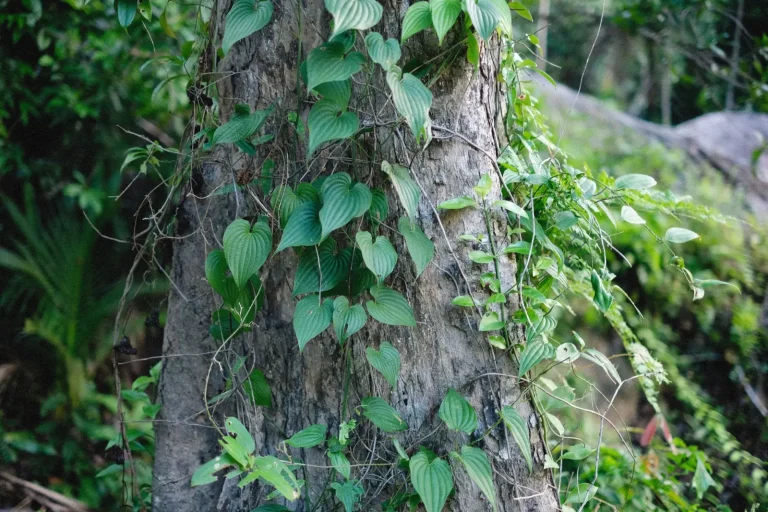
The canopy towers above in layers, and most visitors underestimate how much of the animal activity happens well above eye level. The larger vertebrates – cassowaries, tree kangaroos, pythons – get attention because they’re conspicuous or dangerous. But the real volume of life exists in the mid-story and upper reaches, where possums, gliders, and countless bird species navigate between trees without ever touching ground. This matters because it shapes what you’re statistically likely to encounter on a walk.
Cassowaries and Ground Movement
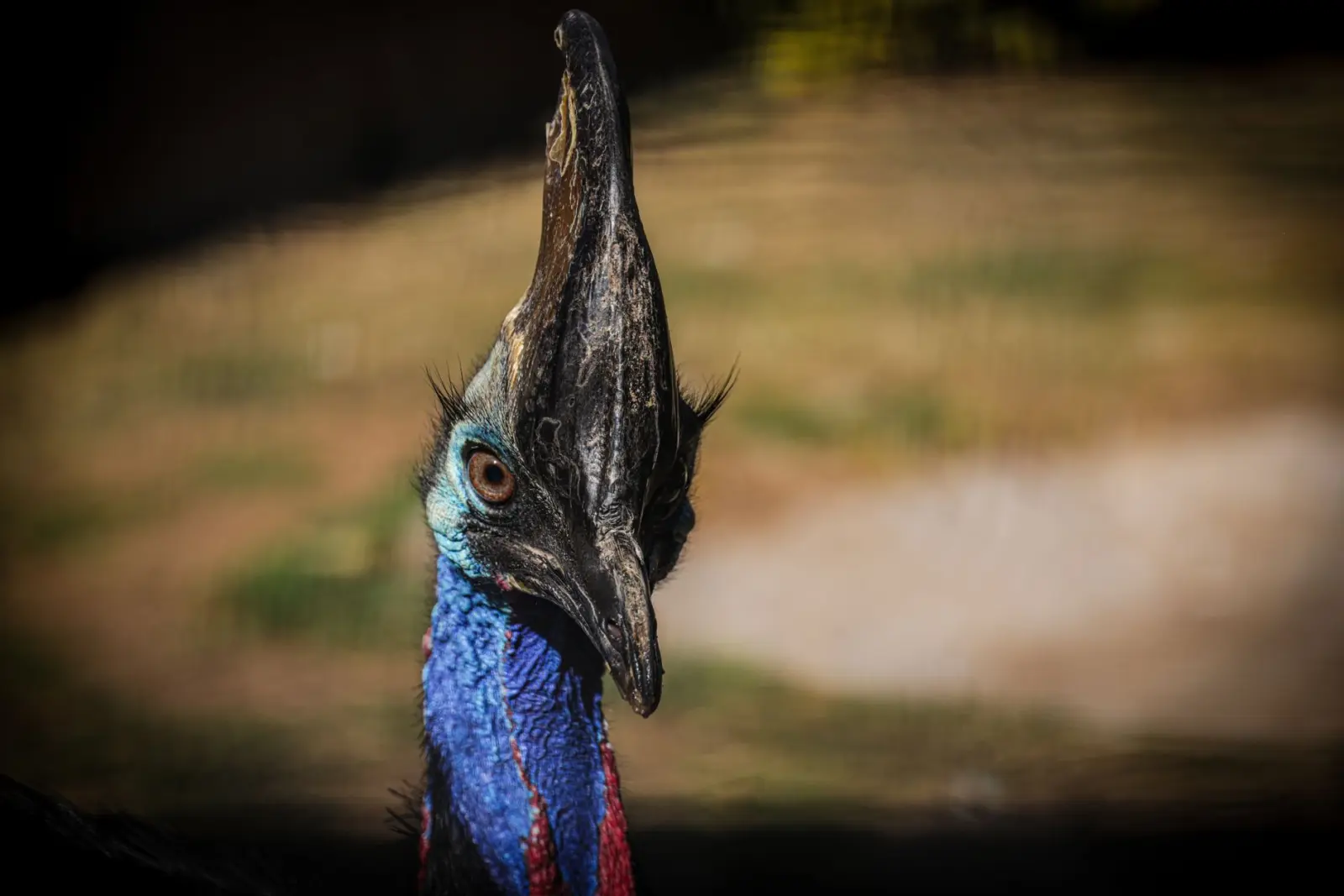
The cassowary is the park’s flagship species, and it’s worth understanding what that actually means on the ground. These large, flightless birds are territorial and present year-round, but sightings aren’t guaranteed. They’re most active during fruiting seasons, when they move predictably between food sources. The park’s rainforest produces seasonal fruit gluts – Davidson plums, quandongs, native figs – and cassowaries follow these pulses. Outside fruiting periods, they range more widely and become harder to locate.
Cassowaries are solitary or move in pairs, and they’re not aggressive by default. The danger comes from habituation and food conditioning. Birds that have been fed by humans lose their natural wariness, and a 1.8-meter tall bird with a casque and dagger-like claws becomes unpredictable. I’ve seen visitors approach what they thought was a tame bird, only to realize they’d misread the animal’s tolerance. The bird wasn’t tame; it was simply indifferent until it wasn’t. The park has had to manage this carefully, and understanding the difference between a wild cassowary and a habituated one is essential for safe movement through the forest.
Nocturnal Mammals and Timing
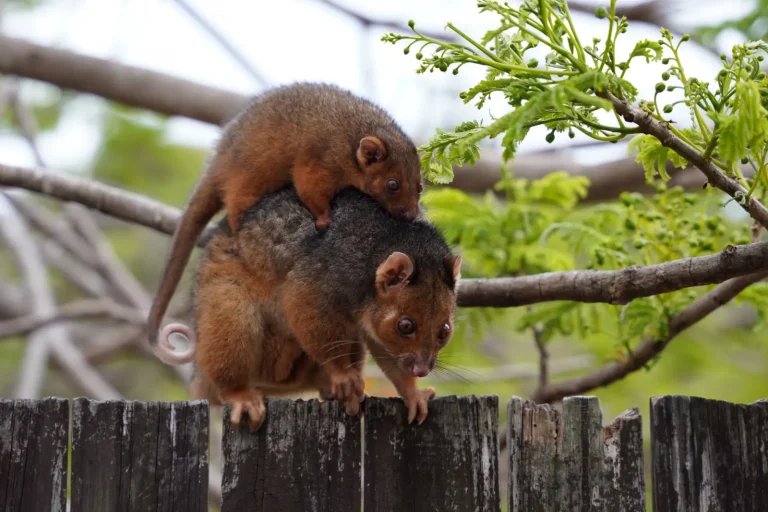
Most of the park’s mammal diversity emerges after dark. Possums, gliders, sugar gliders, and brush-tailed possums become active in the evening and through the night. Visitors who walk only during daylight hours miss the majority of the park’s mammalian fauna. This isn’t a failing of the park; it’s how tropical rainforests function. The heat and humidity of the day, combined with predation pressure and competition, pushes many species into nocturnal activity patterns.
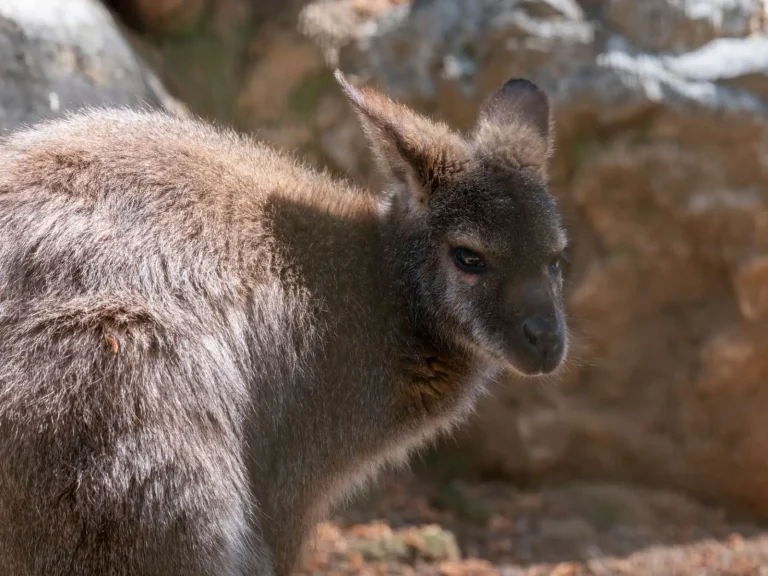
Tree kangaroos are present in Wooroonooran, but they’re genuinely difficult to see. They’re solitary, they move slowly and deliberately through the canopy, and they’re cryptic by nature. I’ve walked sections where tree kangaroos are known to occur and seen no sign of them. This doesn’t mean they’re absent; it means they’re doing what they do well – remaining undetected. Early morning or late afternoon offers the best window, but even then, spotting one is more luck than skill. The forest is large, and the animals are small relative to the space they inhabit.
Reptiles and Seasonal Presence
Snakes are common in Wooroonooran, and the park includes several species that warrant respect. Carpet pythons, amethystine pythons, and various venomous species like the inland taipan and king brown snake occur here. Encounters are rare because snakes are ambush predators with no interest in humans. They move deliberately and spend long periods stationary. Wet seasons bring increased activity because prey becomes more mobile and abundant. Dry seasons see snakes concentrated near permanent water sources.
Monitors and smaller lizards are more frequently observed because they’re active during the day and move more openly. The Lace Monitor, which can exceed two meters, is present but typically seen only when it’s actively foraging or moving between territories. Smaller species like skinks and goannas are more abundant and visible, though they’re still easy to overlook in the leaf litter and low vegetation.
Amphibians and Wet Season Abundance
The rainforest’s amphibian diversity is substantial, and it fluctuates dramatically with moisture and temperature. Frogs are most vocal and visible during and immediately after heavy rain, when breeding activity peaks. The park hosts species found nowhere else on Earth – endemic frogs with restricted ranges that depend on specific microhabitats within the forest. Some of these species have declined significantly over recent decades, and the reasons remain partially understood. Chytrid fungus has affected populations, but habitat fragmentation and changes in water chemistry also play roles.
Walking the park after rain, the soundscape changes entirely. Calling frogs create a dense acoustic environment that can be overwhelming. This is the forest’s amphibian activity at its peak. During drier periods, the same areas fall silent, and frogs retreat into refugia where moisture remains stable. Understanding this seasonal pattern helps explain why the park feels dramatically different depending on when you visit.
Birds and Canopy Complexity
The park’s bird diversity reflects the complexity of the rainforest structure. Specialist species like the Tooth-billed Catbird and Magnificent Riflebird occupy specific niches – the Catbird works the forest floor and low understory, while the Riflebird uses the mid-canopy and emergent layer. These birds aren’t randomly distributed. They’re responding to food availability, nesting sites, and the presence of competitors.
Frugivorous birds – species that eat fruit – move with the same seasonal patterns as cassowaries. When figs fruit, lorikeets, pigeons, and other fruit-eating species concentrate in those areas. When the fruit glut passes, they disperse. This creates temporal heterogeneity in bird sightings. A section that’s alive with bird activity one month can feel quiet weeks later, even though the birds haven’t disappeared; they’ve simply moved to where food is abundant.
Wooroonooran’s wildlife operates within constraints that aren’t always visible to casual observers. The park is fragmented, which affects population viability for larger species. The rainforest is under pressure from climate change, with shifts in rainfall patterns already affecting fruiting cycles and breeding seasons. The animals here are resilient, but resilience has limits. Understanding what you’re seeing – and what you’re not seeing – requires recognizing that the forest is a working system, not a static display. The wildlife patterns that emerge are responses to real ecological pressures and seasonal rhythms that have shaped this rainforest for millennia.