
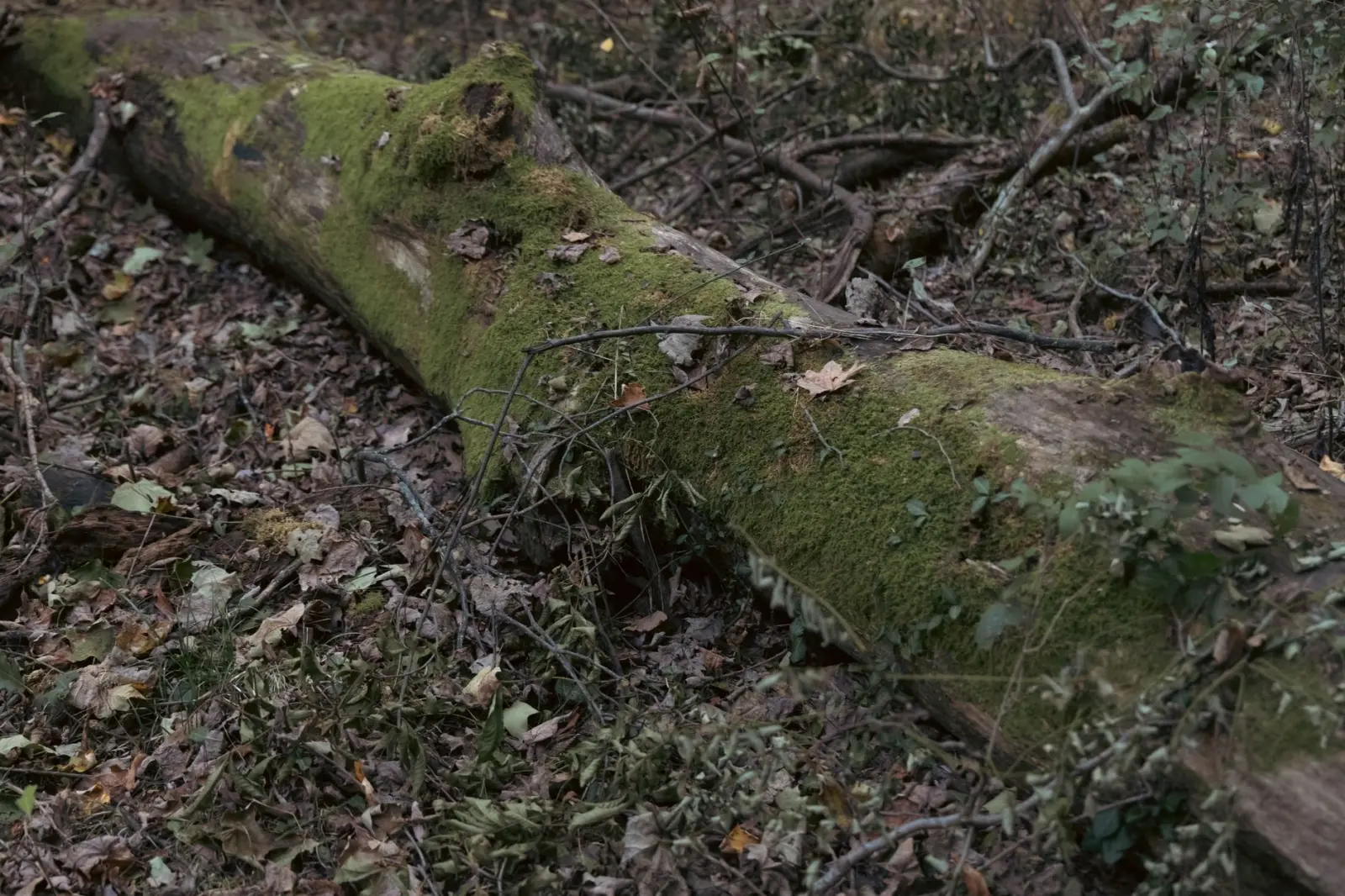
Spend enough time walking through a rainforest and you stop seeing dead wood as failure. You see it as infrastructure. A fallen log isn’t the end of a tree’s story – it’s the beginning of an entirely different ecosystem that will thrive for years, sometimes decades. I’ve watched the same decomposing trunk transform from a bare, freshly-felled obstacle into a nursery for seedlings, a highway for insects, and a hunting ground for birds. The biodiversity that colonizes dead wood in tropical forests is staggering, and it operates on timescales and in ways that most visitors never notice.
The moment a tree falls in a rainforest, the conditions shift dramatically. Where there was once bark exposed to sunlight and air, there is now a protected microclimate – humid, shaded, and increasingly soft as fungi begin their work. Within weeks, the wood starts to absorb moisture and lose structural integrity. This isn’t rot in the sense of simple decay. It’s an orchestrated biological process where fungi break down cellulose and lignin, making the wood accessible to organisms that couldn’t colonize it when it was alive and defended by the tree’s own chemistry.
Fungi as the Foundation
Fungi arrive first and do the heavy lifting. The species composition varies by region and wood type, but the pattern is consistent: wood-decay fungi establish themselves, sending hyphae deep into the timber. These aren’t the visible mushrooms you might spot on a log. Most of the action happens inside the wood, invisible, as fungal networks break down the plant material into simpler compounds. I’ve cut open logs at different stages of decomposition and seen the color shift from pale wood to darkened, softened zones where fungal activity is most intense.
What’s often overlooked is that these fungi create the chemical conditions that allow everything else to move in. As they work, they’re not just decomposing – they’re creating nutritional pathways. They’re also generating heat through metabolic activity, which can be measured with a thermometer on freshly-colonized logs. This warmth and the moisture retention create a stable microhabitat that insects, arthropods, and small vertebrates actively seek out.
Insects and the Decomposition Economy
Beetles arrive in extraordinary diversity. Longhorn beetles, bark beetles, wood-boring beetles – each species has evolved to exploit different stages of wood decay and different wood densities. Some larvae tunnel through the wood itself, creating galleries that look like highways when you split open a log. Others feed on the fungi or on the frass (insect droppings) that accumulates in the galleries. The beetle larvae become food for larger insects, spiders, and small reptiles. I’ve seen a single log in mid-decay stages hosting dozens of beetle species, each occupying a slightly different niche based on wood hardness, moisture level, and fungal composition.
The arthropod community extends far beyond beetles. Millipedes, centipedes, springtails, and mites colonize the decaying wood and the surrounding leaf litter that accumulates in the crevices and hollows. These smaller organisms are crucial because they break down the larger organic matter into finer particles, accelerating nutrient cycling. When you flip a piece of rotting wood, the underside is often a writhing mass of life – mostly invisible to the casual eye, but absolutely central to forest function.
Seedlings and Nutrient Recycling
Dead wood becomes a nursery in ways that bare soil cannot. The decaying log creates a raised, well-draining substrate that’s rich in organic matter and colonized by fungi that form mycorrhizal associations with seedling roots. I’ve seen seedlings of large canopy trees establish themselves almost exclusively on fallen logs, particularly in areas where the forest floor is waterlogged or heavily shaded. The log provides elevation, aeration, and a concentrated source of nutrients as decomposition progresses.
This is not incidental. In some tropical forests, the majority of large tree regeneration occurs on fallen logs rather than on the forest floor. The log becomes a stepping stone – literally and ecologically – that allows the next generation of trees to establish themselves. Over time, as the log fully decomposes and the seedling roots extend into the forest floor below, the log disappears but the tree remains, rooted in the nutrient-rich soil that was created by decades of decomposition.
Vertebrate Habitat and Food Supply
Larger animals depend on dead wood in ways that are harder to observe but no less real. Snakes shelter in the hollow spaces and crevices of rotting logs. Small mammals nest in the protected cavities. Birds forage on the surface and dig into the softening wood to extract insects. Amphibians use the moisture-retaining properties of decomposing wood as refuge during dry periods. The log becomes a microhabitat that supports a food chain from fungi to insects to vertebrates.
I’ve watched tanagers and woodpeckers work a single log for hours, extracting insects that would be inaccessible in intact wood. The abundance of beetle larvae and other arthropods in decaying wood makes it an exceptionally rich foraging site. For species that specialize in dead wood – and there are many – the presence or absence of fallen logs directly affects population density and breeding success.
The timescale of dead wood ecology is important to understand. A large fallen log doesn’t disappear quickly. In tropical rainforests, it can take 10 to 30 years for a large log to fully decompose, depending on wood density, moisture, and fungal activity. This means that at any given time, a healthy rainforest contains logs in various stages of decay, each supporting a different community of organisms. A freshly fallen log attracts different species than one that’s been decomposing for five years.
When you remove dead wood from a forest – whether through logging cleanup, forest management, or land clearing – you’re not just removing timber. You’re removing a critical habitat and disrupting nutrient cycling. The fungi lose their substrate. The insects lose their breeding grounds. The seedlings lose their nursery. The vertebrates lose a shelter and food source. The forest’s ability to recycle nutrients and regenerate itself is compromised, even if the standing trees remain intact.
Dead wood in a rainforest is alive in every meaningful sense. It’s a dynamic system where decomposition and life are inseparable, where the breakdown of one organism fuels the growth and survival of countless others. Understanding this – really seeing it rather than just knowing it – changes how you read a forest. What looks like decay is actually the forest at work, cycling nutrients and supporting biodiversity in ways that are fundamental to tropical forest persistence.