
The rainforest around Port Douglas has a reputation that often outpaces what visitors actually encounter. After spending considerable time in this region – both guiding and simply moving through it – I’ve developed a fairly clear sense of which experiences justify the effort and which ones feel like you’re checking a box on someone else’s itinerary.
The first thing to understand is that Port Douglas sits at the gateway to a genuinely old rainforest, not a manicured nature park. The Daintree is one of the oldest tropical rainforests on Earth, and that age shows in density, complexity, and the sheer number of things that can kill you if you’re careless. This isn’t meant to scare you away. It means that what you get from the rainforest depends almost entirely on how you approach it and what you’re willing to accept about the physical reality of being in a wet, hot, insect-filled environment for several hours.
Mossman Gorge and the reality of popular walks
Mossman Gorge is the obvious choice, and it’s obvious for a reason. The walk is short – around 2.4 kilometres return – and it delivers a genuine rainforest experience without requiring serious fitness or navigation skills. The gorge itself is striking: granite boulders, clear water, and canopy so dense that midday feels like dusk.
What you need to know is timing. The gorge fills with tour groups between 9 AM and 3 PM. If you’re there during those hours, you’re walking with dozens of other people, which changes the acoustic and visual experience entirely. The birds disappear into the canopy, and the sense of being in something wild gets diluted. If you can arrive by 8 AM or after 4 PM, the walk becomes substantially different. The water is cooler in early morning, the light is better for photography, and you’re more likely to see wildlife.
The water itself is cold year-round – around 18 – 20 degrees Celsius even in summer. People often arrive expecting to swim and find themselves unprepared for the shock. If you plan to get in, bring a rash guard or accept that you’ll be uncomfortable for the first minute. The rocks are slippery, and the current can be stronger than it looks after rain.
Daintree National Park proper
Moving deeper into the Daintree requires more planning and usually a guide or at minimum serious research beforehand. The park itself is vast, and the difference between a mediocre experience and a good one often comes down to which trail you choose and how early you start.
Koolpin Creek Walk is less crowded than Mossman and offers a longer immersion in the rainforest. It’s 7.2 kilometres return and takes around three hours at a reasonable pace. The creek itself is the draw – you’re walking beside water for much of the route, which means more wildlife activity and a cooler microclimate. The walk is straightforward to navigate, but the terrain is uneven, and sections can be muddy even days after rain because the ground doesn’t drain properly under dense canopy.
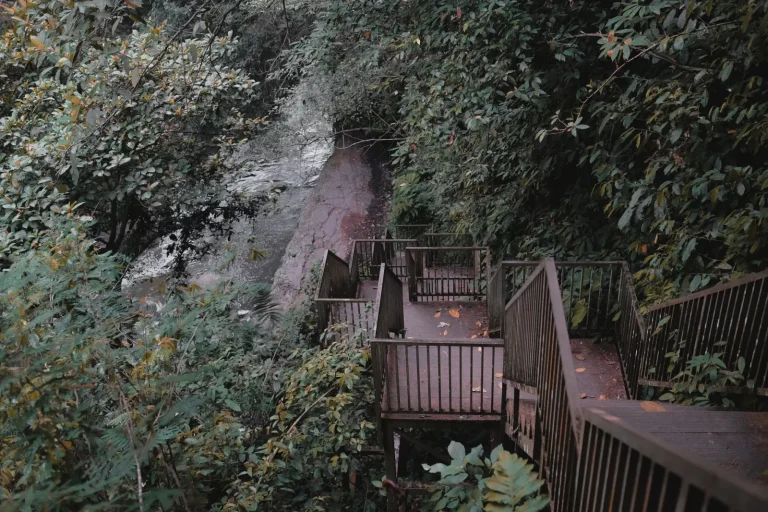
Marrdja Boardwalk is different again. It’s shorter (1.5 kilometres) and built entirely on elevated timber boardwalk, which means it’s accessible even when the ground is waterlogged. This also means it’s popular, but the boardwalk format keeps groups moving and prevents people from clustering in one spot. The boardwalk passes through lowland rainforest and palm forest, and the perspective is genuinely different from ground-level walking. You see the forest structure differently from above the understory.
What the rainforest actually looks like
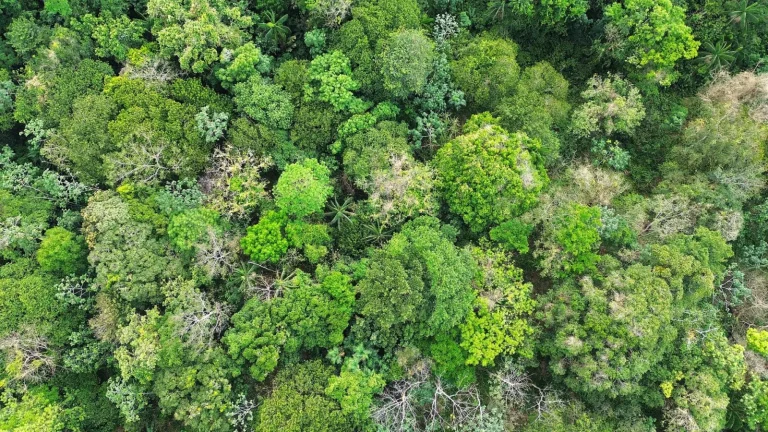
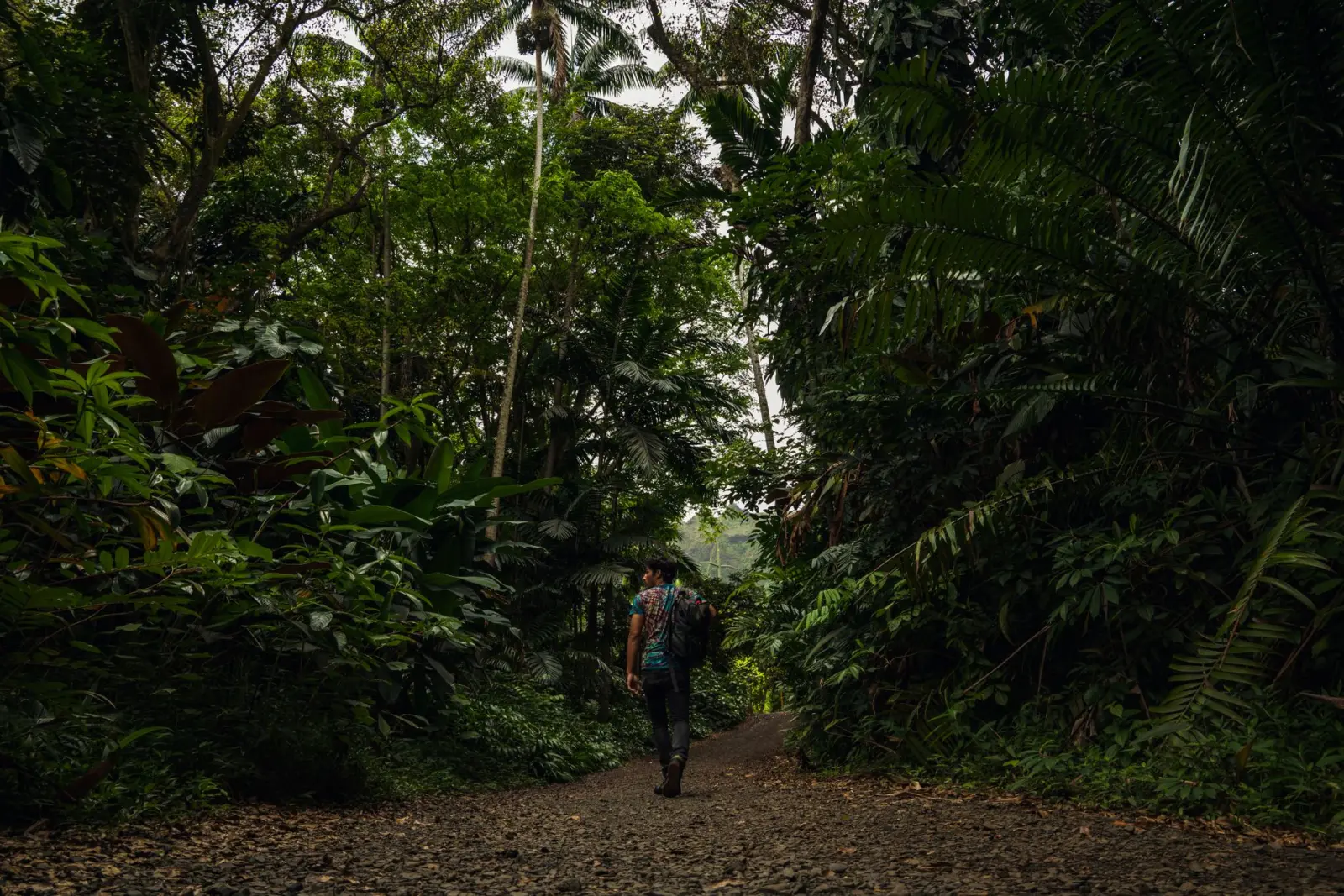
One thing that strikes most first-time visitors is how dark it is. Rainforest photography often shows shafts of light and vibrant greens, but the reality is mostly shadow and muted colour. The canopy is so dense that only 2 – 5 percent of sunlight reaches the forest floor. Your eyes adjust, but cameras struggle, and the forest feels less visually dramatic than you might expect from images.
The soundscape matters more than the visuals. Early morning is loud – birds, insects, the creek if you’re near water. By midday, the forest goes quiet. This isn’t because nothing is there; it’s because the heat and humidity make activity exhausting, and most creatures rest during the hottest hours. If you want to hear the rainforest at its most active, you need to be walking between 6 AM and 8 AM.
Insects are constant. Mosquitoes are manageable if you use repellent, but march flies – the aggressive, biting ones – are more of a problem. They’re active in warm, humid conditions and seem to target people who are moving slowly or standing still. Wearing long sleeves and pants reduces bites significantly, but it also makes you hotter. Most people compromise with insect repellent and acceptance that they’ll get bitten a few times.
Guides versus independent walking
A good guide changes the experience substantially. They know where to look for specific animals, understand the ecology well enough to explain what you’re seeing, and can move at a pace that allows observation rather than just transit. They also manage risk – knowing which areas are safer, which times are better, and what conditions make certain walks inadvisable.
The trade-off is cost and group size. A private guide runs $150 – 250 per person for a half-day walk, and small group tours are cheaper but less flexible. If you’re walking independently, you save money but lose context. A walk becomes a walk rather than a lesson in tropical ecology.
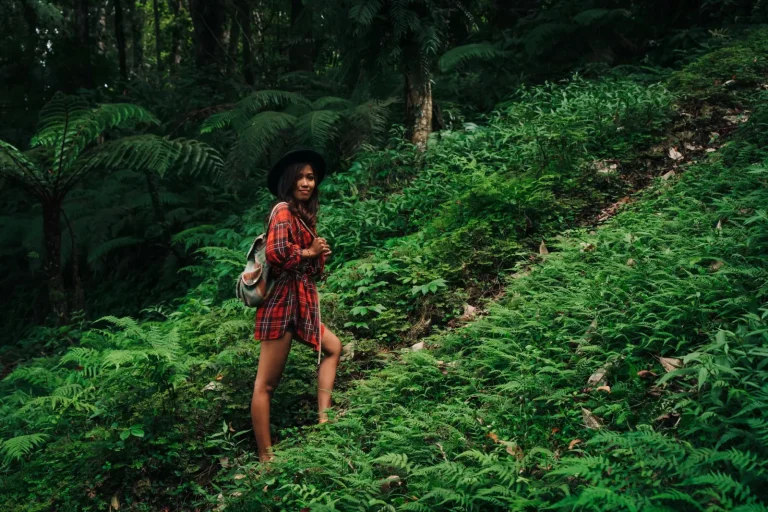
For independent walking, stick to marked trails and start early. Carry more water than you think you’ll need – humidity makes you dehydrate faster than you notice. Wear sturdy footwear with good grip. The rocks and roots are genuinely slippery, and a twisted ankle in the rainforest is a real problem.
Seasonal variation
The “dry season” (May to October) is more comfortable for walking. Humidity is lower, rainfall is less frequent, and trails dry out faster. Temperatures are still warm – 25 – 30 degrees Celsius – but the air feels less oppressive.
The wet season (November to April) brings heat and humidity that make walking genuinely difficult. Trails become muddy, leeches appear, and the risk of tropical storms increases. Most people avoid this period, which means fewer tourists but also fewer services and less reliable guide availability. If you do walk in the wet season, leeches are the main annoyance – they’re not dangerous but persistent and unpleasant. Salt or insect repellent removes them.
What most people miss
The Daintree has wildlife, but seeing it requires patience and luck. Cassowaries are the iconic bird – large, flightless, and genuinely dangerous if approached – but most visitors never see one. They’re there, but they’re also shy and active at unpredictable times. Spotting one is a genuine stroke of luck, not something you can reliably plan for.
Smaller creatures are more common. Tree snakes, various frog species, and insects are everywhere if you look. A guide who knows where to find them makes a difference, but even then, sightings aren’t guaranteed. The rainforest is not a zoo.
The actual value of rainforest walking, in my experience, comes from the immersion rather than the checklist of animals seen. The sound, the smell of wet soil and decomposing vegetation, the weight of the humidity, the visual complexity of the canopy – these things accumulate into an understanding of what a tropical rainforest actually is. That understanding doesn’t require seeing a cassowary or a tree python. It requires time and attention.