
After spending years moving through rainforest canopies and tracking bird movements across degraded patches, you begin to notice patterns that don’t make it into most ecological surveys. The birds moving through these forests aren’t simply eating fruit and flying away – they’re actively shaping which plants grow where, which species survive in fragmented habitat, and ultimately whether a cleared area regenerates into forest or remains stuck in scrub.
The mechanics are straightforward enough on the surface. A bird consumes fruit, travels some distance, and defecates seeds in a new location. But the reality of how this actually works across a real landscape is far more nuanced. Most rainforest birds are selective feeders. They don’t eat every fruit they encounter. They move through specific routes based on where they find food, where they roost, and where they’ve learned to find shelter. This means seed dispersal isn’t random – it follows the movement ecology of the birds themselves.
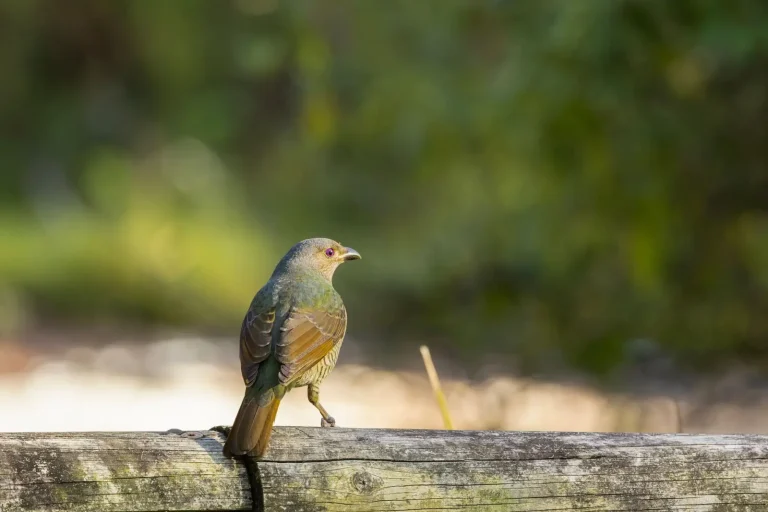
What strikes you when you’re actually in the forest, watching these patterns unfold, is how much of seed placement depends on bird behavior in the moment. A toucan might consume fruit from a fig tree in the morning, then fly to a particular perch to digest. That perch might be a dead snag, a horizontal branch, or the edge of a gap. The seeds fall there, not in some ideal regeneration spot, but in whatever location the bird happened to be when its digestive system worked. Over time, this creates clusters of seedlings in places that reflect bird movement patterns more than ideal growing conditions.
Fruiting Phenology and Disperser Availability
The timing of fruit availability creates a constraint that most people working in conservation underestimate. Rainforest trees don’t all fruit at once. Different species have different fruiting windows – some fruit year-round, others only for a few weeks annually. This means the birds available to disperse seeds varies dramatically across the year. During lean months, only the most generalist species remain, and they’re often the less effective dispersers. The specialized frugivores that move large seeds long distances might be entirely absent.
I’ve watched this play out repeatedly in fragmented forests. A particular tree species might fruit prolifically, but if it fruits during a season when the primary disperser species has moved to another part of the landscape or migrated entirely, the seeds sit there. Some get eaten by rodents. Some rot. A few might be dispersed by whatever birds are present, but the distribution is skewed toward whatever species happened to be around. This is why you’ll sometimes find seedlings of a particular tree clustered near its parent rather than spread across the landscape – the right disperser simply wasn’t there when the fruit was ripe.
Distance and Dispersal Effectiveness
Not all seed dispersal is equally effective for forest regeneration. A seed dropped 10 meters from its parent tree is functionally different from one dropped 200 meters away. The closer seed stays in the parent’s shadow, competing with siblings and facing the same pests and pathogens that affect the adult tree. Distance matters for genetic diversity, for escaping parent-specific predators, and for colonizing new areas.
Different bird species move different distances. Small tanagers might move seeds only 20 to 50 meters in a single flight. Larger species like macaws or toucans can move seeds much farther. But here’s the practical reality: larger birds often spend more time in the canopy and less time in regenerating understory areas. Smaller birds move through disturbed areas more readily. So while a macaw might theoretically disperse seeds farther, it may spend most of its time in intact forest where there’s already dense vegetation. The smaller species, moving through gaps and edges, might actually be more important for recolonizing degraded patches.
I’ve also noticed that many birds show strong site fidelity. They follow preferred routes through the forest. A particular bird might use the same corridor between roosting and feeding areas for months or years. This means seeds get dispersed along predictable pathways rather than randomly across the landscape. In fragmented forests, this can either help or hinder regeneration depending on whether those pathways connect degraded areas to seed sources.
Habitat Fragmentation and Disperser Loss
The real problem emerges when you look at what happens to seed dispersal in fragmented landscapes. Rainforest birds vary enormously in their tolerance for edge habitat and broken forest. Some species disappear entirely when continuous forest is reduced below a certain threshold. Others persist in smaller patches but at much lower densities. This means that as forests become fragmented, the disperser community doesn’t just get smaller – it shifts toward species that are often less effective at moving large seeds or moving them long distances.
In my experience, this is one of the most overlooked aspects of forest fragmentation. People focus on habitat loss itself, but the secondary effect on seed dispersal is equally critical. A forest fragment might retain 50% of its original bird species, but if those missing species were the primary dispersers of large-seeded trees, the fragment loses the ability to regenerate those species even if it has adequate space. The trees that do regenerate tend to be those with small seeds dispersed by generalist species that tolerate fragmentation.
This creates a cascading effect. Over time, large-seeded species decline in fragmented forests not just because of direct habitat loss, but because the birds that move their seeds have disappeared. Smaller-seeded species with generalist dispersers increase. The forest’s composition shifts. In some cases, invasive species with small seeds and generalist dispersers establish themselves more readily than native species.
Perches, Roosts, and Seed Placement
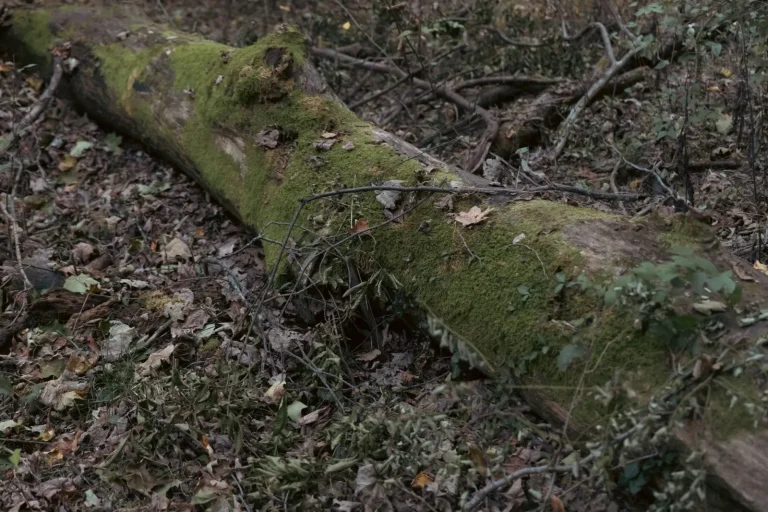
Where a bird happens to perch when it defecates matters more than most people realize. Seeds deposited on exposed branches have different fates than seeds deposited on leaf litter. Seeds left on a moss-covered log face different moisture conditions than those on bare soil. A seed dropped into a bromeliad might germinate in a completely different microenvironment than one that lands on the forest floor.
Birds tend to use certain perches repeatedly. Over time, you see seedling clusters beneath favorite perching spots. Some of these locations are ideal for germination and establishment. Others are marginal. A seed deposited in the dense shade of the understory might struggle to get enough light. A seed on an exposed branch might dry out. But the bird doesn’t choose the perch based on seed survival – it chooses based on visibility, safety from predators, and access to the next feeding site.
What I’ve observed is that birds often perch along forest edges and in gaps more than in closed canopy forest. This actually works in favor of regeneration in some cases. Seeds deposited in gaps get more light, which benefits many pioneer and early-successional species. But it can also mean that shade-tolerant understory species get dispersed less effectively into the locations where they would thrive.
The Role of Seasonal Movements
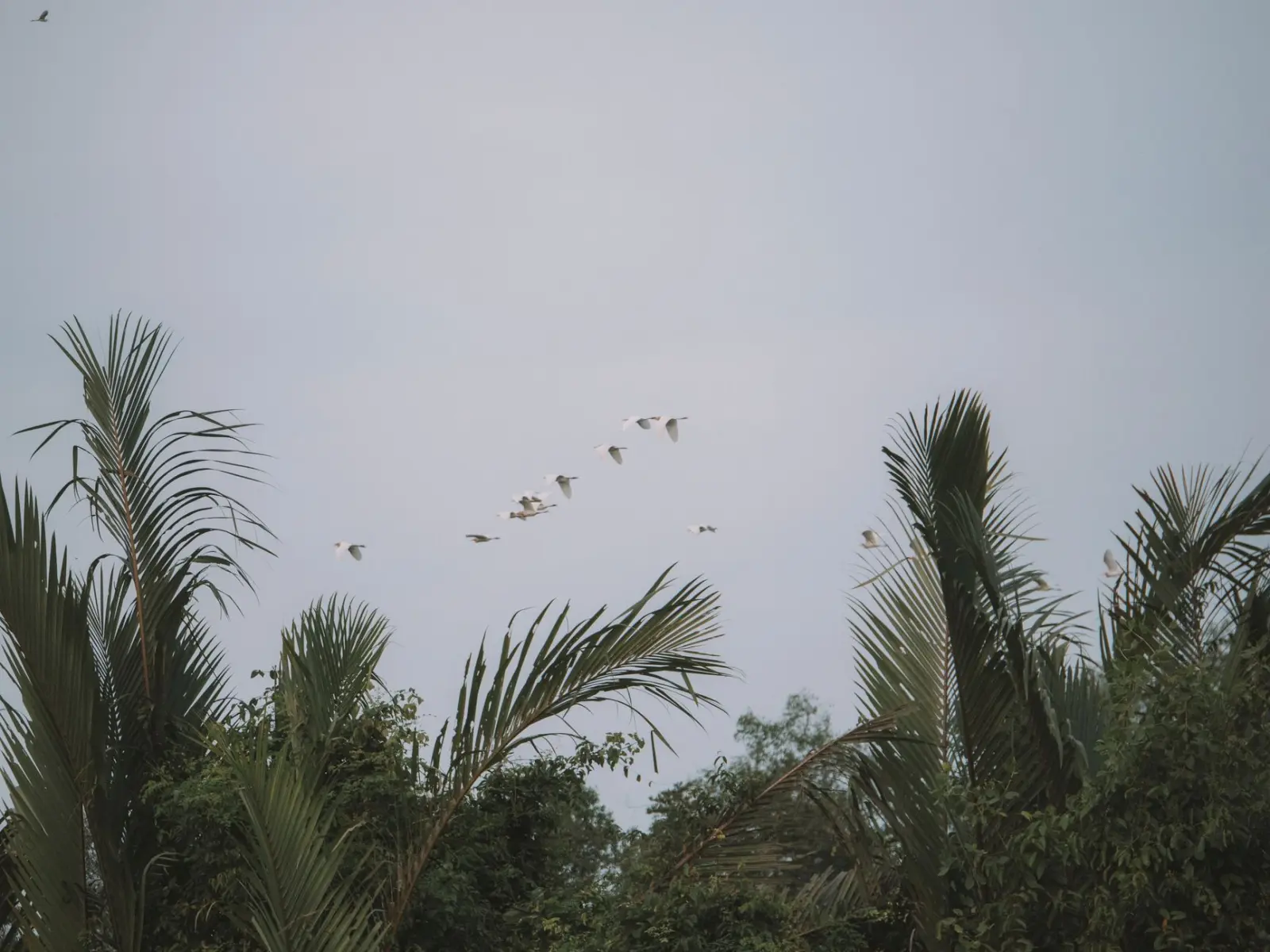
Rainforest birds aren’t static. Many species shift their ranges seasonally, following fruit availability across the landscape. Some move vertically, from lowlands to highlands and back. Others move horizontally, from one region to another. These movements mean that seed dispersal patterns change across the year.
In some cases, this is beneficial. A seed disperser might move seeds from a fruiting tree in one part of the forest to a completely different area during migration. This creates long-distance dispersal that wouldn’t happen if birds stayed in place. In other cases, seasonal movements mean that critical dispersers are absent during key fruiting periods, leaving seeds undispersed.
The timing of migration relative to fruiting phenology is crucial. If a major disperser species leaves before the peak fruiting season for an important tree, that tree’s seeds won’t be dispersed effectively that year. If the disperser arrives after fruiting has ended, the opportunity is lost. I’ve documented years where this mismatch was dramatic – trees fruiting heavily but with few birds present to eat the fruit.
What becomes clear after years of observing these systems is that seed dispersal by rainforest birds is fundamentally constrained by the birds’ own ecology. They move where food is available, where they can roost safely, and where they’ve learned to find resources. Seeds follow those movements. In intact forests with high bird diversity and abundant fruiting trees, this system works smoothly. In fragmented landscapes with reduced bird populations and altered fruiting patterns, the system becomes unreliable. Some species regenerate readily while others struggle to establish new individuals far from their parents. Understanding these constraints is essential for anyone working on forest restoration or trying to predict how fragmented forests will change over time.