

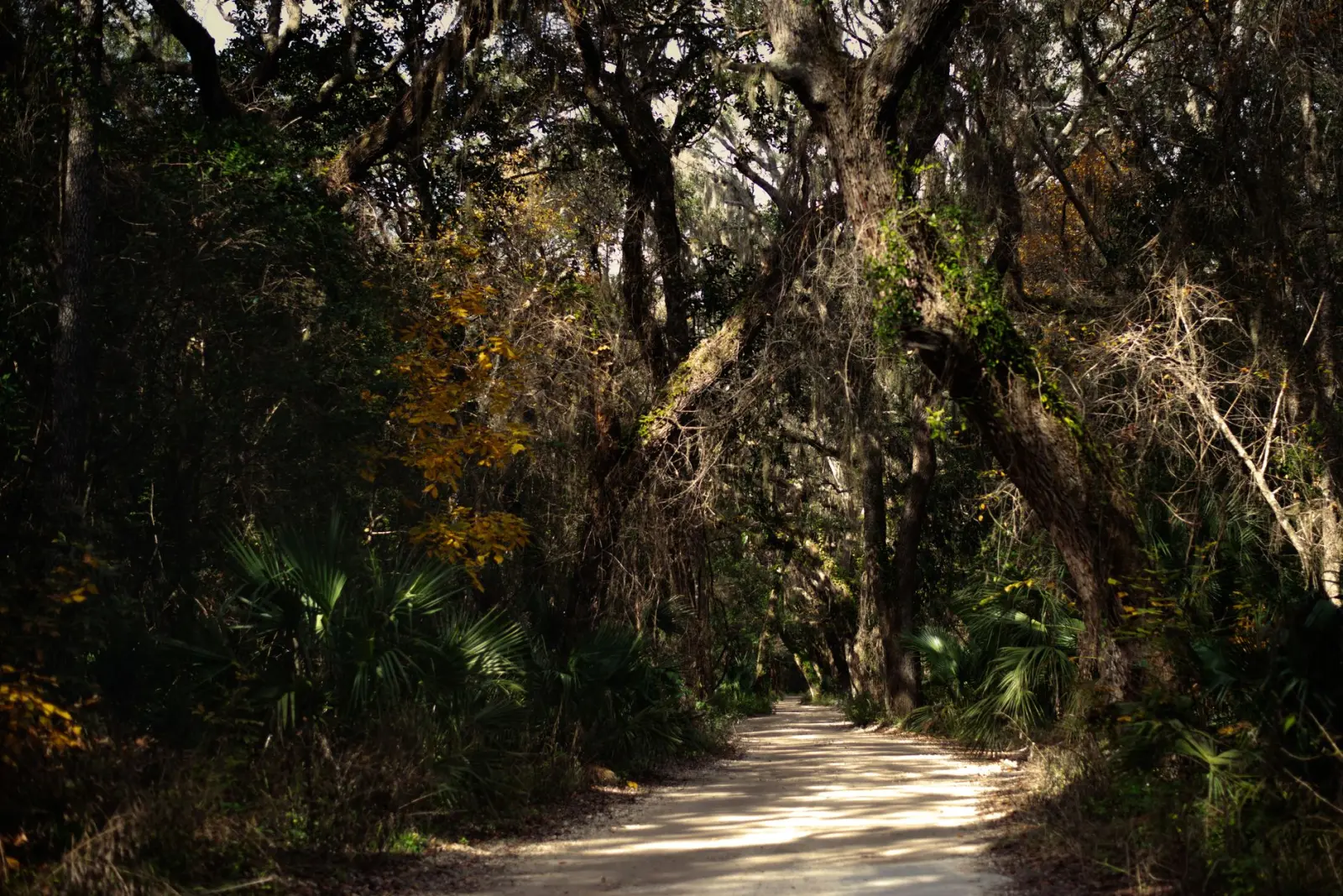
The forests around Bellingen sit in a particular pocket of the New South Wales north coast where subtropical moisture meets temperate conditions. After spending considerable time moving through these trails, I’ve noticed that what works elsewhere – standard hiking assumptions, typical fitness levels, standard footwear – often needs adjustment here. The terrain doesn’t punish carelessness dramatically, but it does expose poor planning in ways that become apparent only once you’re an hour from the car park.
The vegetation density changes everything about how you move through these forests. Unlike open bushland or alpine tracks where you can see ahead and adjust pace, the subtropical growth here creates a compressed visual field. Vines drape across the path. Ferns crowd the edges. The canopy sits low enough that you’re constantly aware of it, and this psychological compression affects how quickly fatigue sets in. It’s not claustrophobic exactly, but it demands a different kind of attention than you might expect from a forest walk.
Moisture is the dominant factor. Even on days when the sky is clear, the ground holds water. The soil here doesn’t drain like sandy or rocky terrain. Roots become slick within hours of rain, and they stay that way longer than you’d anticipate. I’ve walked trails three days after rain where the footing was still treacherous. This isn’t a minor inconvenience – it directly affects how you pace yourself and where you place your weight with each step. The energy cost of careful footwork compounds over distance in ways that flat, dry terrain doesn’t.
Seasonal Shifts in Walkability
Winter and spring offer the most reliable conditions. May through September, the trails are generally drier and the air temperature sits in a range where sustained walking doesn’t become a sweat management problem. The catch is that winter brings lower light levels, which matters more here than in open country. The canopy filters daylight significantly, and on overcast winter days, the forest interior can feel dimmer than the actual time of day suggests. Starting early becomes less optional and more essential.
Summer is a different proposition. November through February, the heat combines with humidity in ways that make even moderate distances feel longer. The temperature itself isn’t extreme by Australian standards, but the humidity prevents effective cooling through perspiration. I’ve seen people who are genuinely fit struggle on summer walks that they’d find straightforward in autumn. The combination of physical exertion, moisture in the air, and the enclosed feeling of the forest creates a fatigue that’s as much psychological as physical.
Autumn – March and April – sits in a middle ground. The air is warm but not oppressive, humidity is dropping, and the light is still reasonably strong. This is when most people find the walking most pleasant, though it’s also when the trails are most crowded, which changes the experience in its own way.
What the Terrain Actually Requires
Footwear matters more here than on many Australian trails. The combination of roots, moisture, and uneven ground means that trail shoes with genuine ankle support perform noticeably better than lightweight runners. Waterproof boots seem like an obvious choice, but they can trap moisture and create their own problems. I’ve found that shoes with good grip, moderate ankle support, and quick-drying capability tend to work best. The specific brand matters less than the design – you want something that won’t slip on wet roots and won’t leave you with blistered feet after a few hours of careful stepping.
The distances aren’t extreme. Most established walks around Bellingen run between 5 and 12 kilometers return, and the elevation gain is usually modest. But the terrain converts these distances into something that requires more time and energy than the numbers suggest. A 10-kilometer walk that would take two and a half hours on open ground might take four hours here, not because of elevation but because of the constant micro-adjustments required for footing and the psychological effect of the enclosed environment.
Water management becomes significant. The humidity means you don’t feel thirst the way you would in drier conditions, which can lead to dehydration. I’ve noticed that people tend to drink less than they should on these walks, partly because they don’t feel as thirsty and partly because the cooler, damper air creates a false sense of not needing hydration. Carrying more water than you think you’ll need is practical advice that actually applies here.
The Practical Reality of Navigation
Most of the established trails around Bellingen are marked and reasonably well-maintained, but the dense vegetation means that losing the track is easier than it sounds. A missed turn marker or a moment of inattention and you’re suddenly in unmarked forest. This isn’t dangerous in the sense of immediate hazard, but it does create a navigation problem that requires backtracking and time. The forest is dense enough that you can’t simply walk in a direction and expect to find your way out easily.
GPS devices and map apps are useful here, but they’re not foolproof. The canopy can interfere with satellite signal, and the terrain is complex enough that a map alone doesn’t always clarify which direction you should be moving. Staying on marked trails isn’t optional; it’s the baseline assumption. This means paying attention throughout the walk rather than settling into autopilot.
The trails themselves vary considerably in condition. Some sections are well-defined and obvious. Others are more subtle, requiring you to read the ground and look for markers. This variation isn’t random – it often corresponds to how recently the trail has been maintained and how heavily it’s used. Popular walks tend to be clearer. Less-visited routes require more active navigation.
Weather can change the experience substantially. The forest provides shelter from wind, which is useful in storms but also means that rain can be heavier than you’d realize from the sky. I’ve walked in what seemed like light rain only to discover that the canopy was catching and funneling water, making the ground far wetter than the actual rainfall suggested. Similarly, the forest holds cold air. A day that’s pleasant in open areas can feel notably cooler under the canopy, and this affects how you dress and how quickly you cool down after exertion.
The reality of walking these forests is that they demand respect without being dramatic about it. They’re not dangerous in the way that exposed ridges or deep canyons are. But they do require consistent attention, appropriate preparation, and realistic expectations about pace and distance. The subtropical growth, the moisture, the enclosed feeling – these aren’t obstacles to overcome but conditions to work within. Once you understand what the terrain actually asks of you, the walks become straightforward and genuinely rewarding.



