The forest around Coomera Falls sits in a pocket of the Gold Coast hinterland that doesn’t get the same foot traffic as some of the more promoted walks in the region. This means the trails retain a quieter character, but it also means conditions can be variable and information scattered. After multiple visits across different seasons, certain patterns become clear about what you’re actually dealing with when you head into this forest.
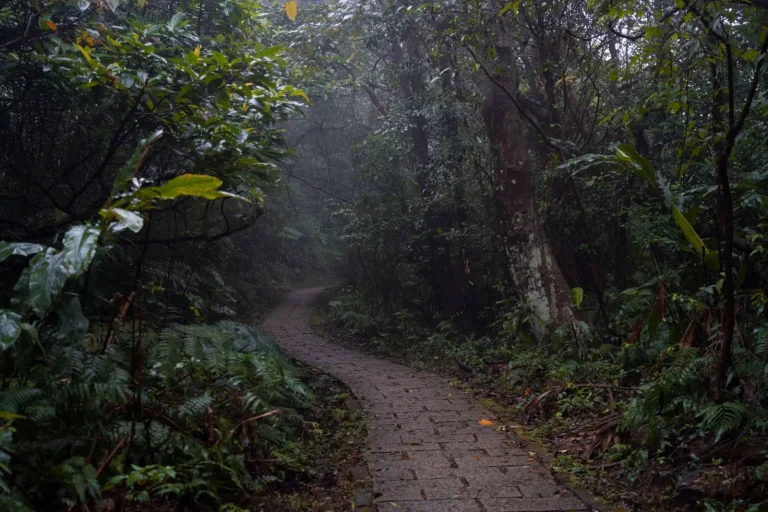
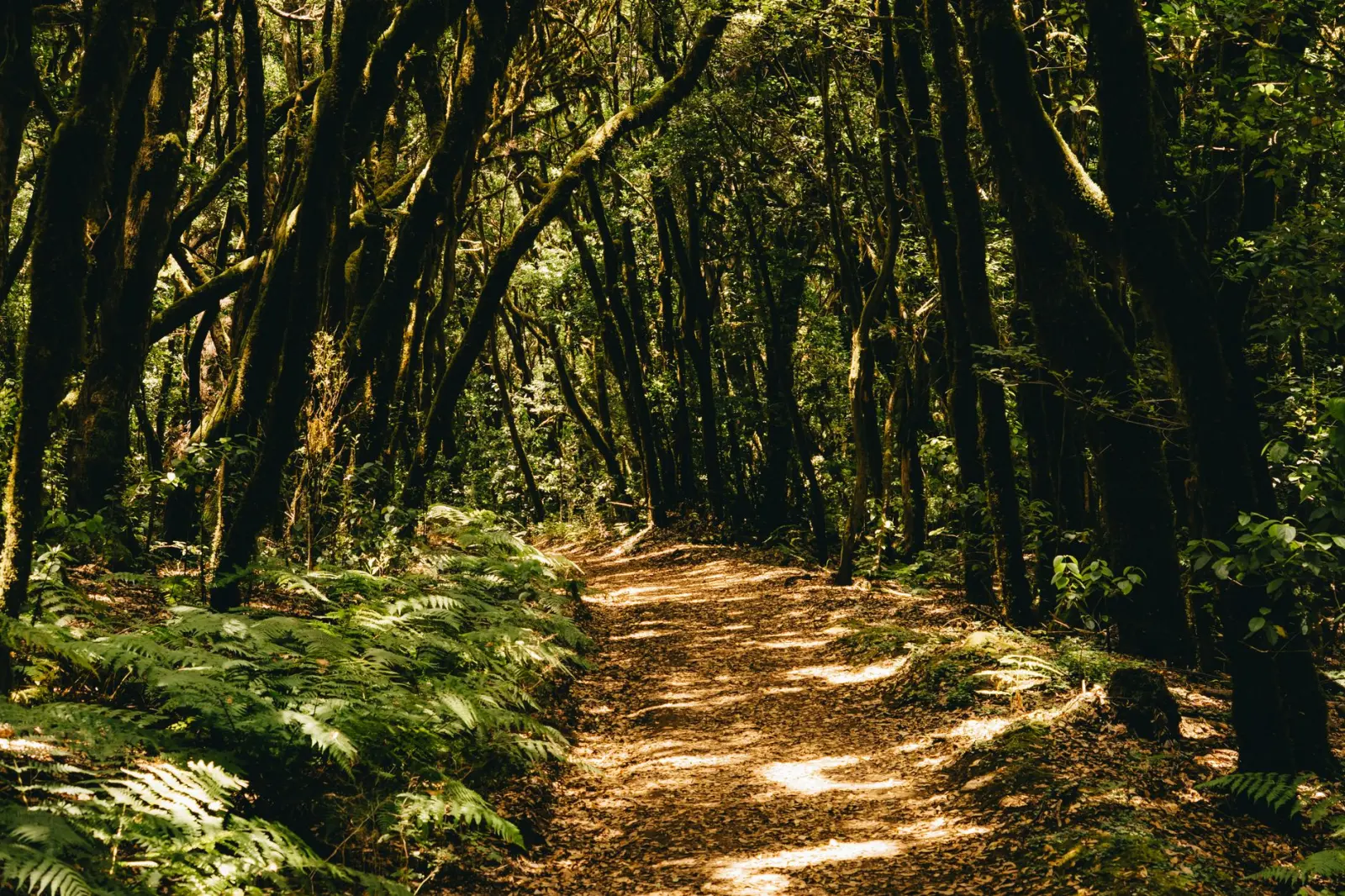
The approach to the falls themselves is the most straightforward section. The main track runs through open forest with a reasonable gradient, and most people cover this distance without issue. The canopy is dense enough to provide genuine shade, which matters more than it sounds when you’re moving through subtropical forest in warmer months. The ground is typically a mix of packed earth and exposed root, with sections of loose gravel where water runoff has worked the path. This isn’t technical terrain, but it does demand attention to foot placement, particularly if the ground is wet.
What catches people off guard is the variability in trail maintenance. Some sections are clearly walked regularly and are well-defined. Others show signs of being less traveled, with vegetation encroaching and the line of the track becoming less obvious. This isn’t a criticism – it’s simply the reality of a forest walk that isn’t heavily managed. You need to stay alert and watch for cairns or blazes rather than assuming the path will always be obvious. In wetter periods, water seepage across sections of the track creates soft ground that doesn’t firm up quickly, and stepping off-line to avoid mud often leads people astray.
Seasonal Shifts in Conditions
The forest changes noticeably between seasons, and this affects both the walk itself and how you need to approach it. During the wetter months, the forest is lush and the falls carry genuine volume, which is visually impressive but comes with practical consequences. The track becomes slicker, and sections that are merely damp in drier periods become genuinely slippery. The humidity also sits differently in the forest during these times – it’s not just warm, it’s heavy, and fatigue sets in faster than you might expect from the distance alone.
In drier periods, the falls reduce to a trickle or sometimes disappear entirely, depending on how long the dry spell has lasted. The track firms up considerably, and visibility through the forest improves as some of the undergrowth dies back. However, the forest floor becomes harder underfoot, which means more impact on knees and ankles over the distance. The trade-off between easier footing and the reduced visual reward of the falls is something to consider when planning a visit.
The Wider Forest Network
Beyond the direct falls walk, the forest around Coomera offers exploration opportunities if you’re willing to move off the main track. This is where things become less predictable. Informal trails branch off in various directions, some leading to viewpoints or alternative water crossings, others petering out into dense scrub. These aren’t maintained routes, and they require genuine navigation skills. It’s easy to lose the thread of a path when you’re surrounded by similar-looking forest, and the topography can be deceptive.
The forest composition itself is worth noting. You’re moving through subtropical rainforest with a mix of eucalyptus and native understory. The density varies – some areas open out into almost park-like spaces, while others are genuinely thick with vegetation. This affects both navigation and the physical effort required. Thicker sections slow you down and demand more careful movement, particularly if you’re trying to avoid damaging vegetation or disturbing wildlife.
Water crossings are a feature of this forest, and they’re rarely straightforward. Depending on recent rainfall, what might be a simple step across rocks becomes a genuine ford or something you need to navigate around entirely. The rocks are often slippery even when they look dry, and the water itself can be deceptively fast-moving after rain. There’s no single “safe” approach – you need to read each crossing individually and make a judgment call about whether to cross, find an alternative route, or turn back.
Timing and Fatigue Realities
The distance to the falls is modest – most people complete the walk in under two hours return. However, this doesn’t account for the actual experience of moving through forest terrain. Pace is slower than on open trails, partly because of the terrain itself and partly because most people naturally slow down when they’re navigating roots and managing footing. Add in stops to get your bearings, adjust pack straps, or simply pause to take in the surroundings, and the walk takes longer than the distance suggests.
Fatigue in forest walking is also different from fatigue on open trails. The constant attention required – watching for roots, reading the path, navigating around obstacles – creates mental fatigue that compounds physical tiredness. By the time you reach the falls, you’ve expended more energy than the simple distance would indicate. This matters for planning your day and understanding how much additional exploration you can realistically do without overextending yourself.
Early morning visits offer practical advantages that aren’t always obvious until you’ve done the walk at different times. The light is better, the forest is quieter, and the temperature is lower. You also encounter fewer people, which means more space to navigate and fewer interruptions to your attention. Afternoon walks can feel rushed, particularly during shorter daylight periods, and the light quality deteriorates quickly in the forest as the sun moves lower.
What to Carry and Prepare For
Water is essential, but the amount people carry often doesn’t match the conditions. Two liters is a reasonable baseline, more if you’re planning to spend time exploring beyond the main track. The forest doesn’t offer reliable water sources for refilling, and while the falls and any creeks you encounter look inviting, treating water takes time and adds complexity to a day walk.
Footwear makes a genuine difference. Shoes with decent grip and ankle support handle the uneven ground better than casual walking shoes, and the difference becomes apparent within the first few hundred meters. The forest is also home to various insects and spiders that most people never encounter if they stay on the main track, but the possibility exists if you’re moving through thicker vegetation or sitting near the ground.
The forest around Coomera Falls rewards patience and attention more than speed or ambition. It’s not a dramatic walk, but it’s a real one – the kind that teaches you something about how to move through forest terrain and make decisions based on what you’re actually seeing rather than what you expected to see. That’s its real value.