Bellthorpe State Forest sits in Queensland’s D’Aguilar National Park, and walking through it is a straightforward experience that feels deceptively simple until you’re actually on the trail. I’ve spent enough time moving through these forests to recognize the patterns – the way the light changes through the canopy at different times of day, how quickly conditions shift after rain, and which sections tend to catch people off guard. It’s not a wilderness experience in the dramatic sense. It’s a working forest with established trails, but it demands respect for its own logic.
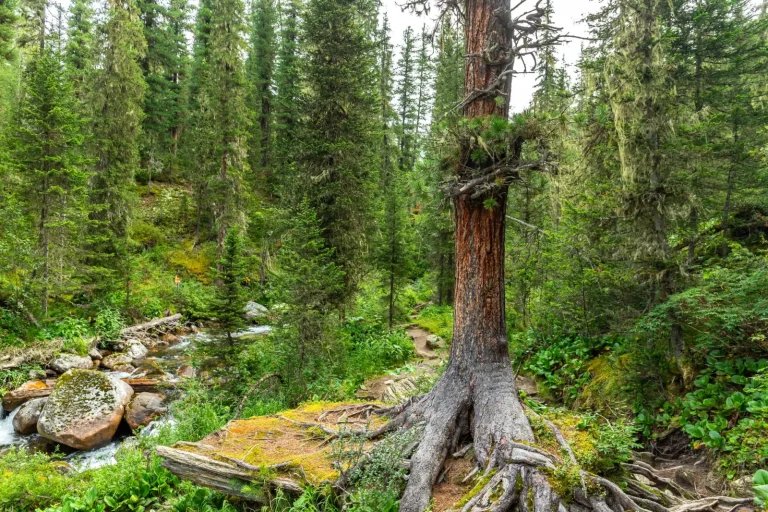
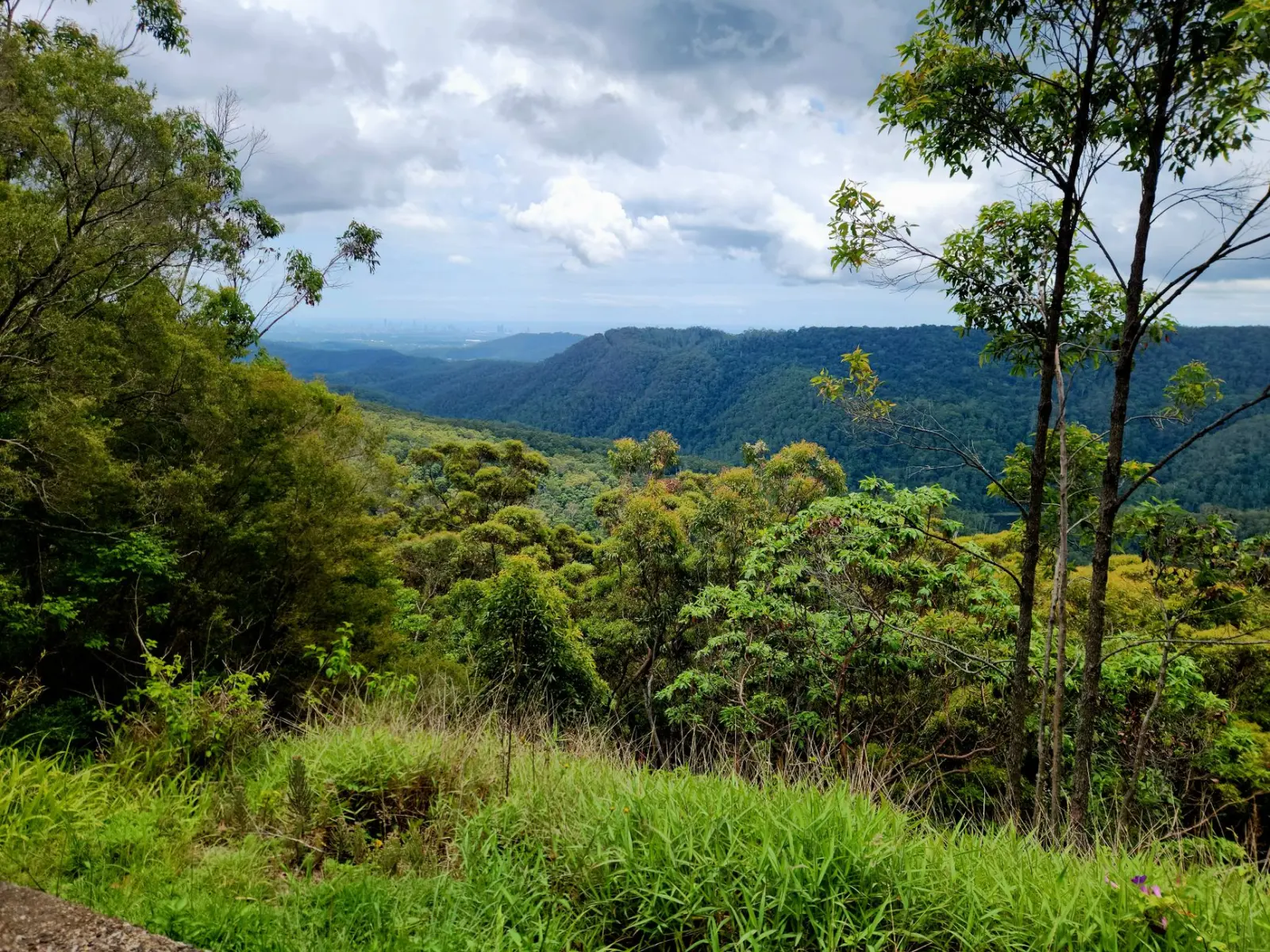
The forest itself is eucalyptus-dominated, with pockets of rainforest vegetation in the gullies. The canopy is dense enough that even on hot days, the temperature underneath stays noticeably cooler than the open areas. This is one of those features that seems minor until you’ve been walking for three hours and realize you haven’t been sweating through your shirt the way you would on an exposed ridge. The soil underfoot is typically firm but can turn slippery without warning. After rain, the clay-based earth becomes genuinely treacherous – not dangerous in the sense of sheer drops, but slippery enough that you need to watch your footing constantly. I’ve seen people lose their balance on sections that seemed innocuous during dry weather.
Trail Conditions and Seasonal Patterns
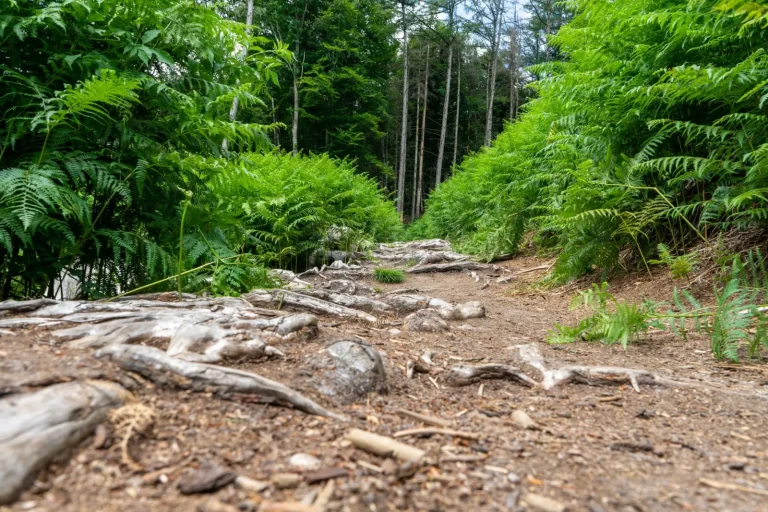
The main trails through Bellthorpe are well-maintained, but “well-maintained” doesn’t mean they’re manicured or predictable. The forest floor accumulates leaf litter, fallen branches, and root systems that shift with the seasons. Spring brings growth that can narrow the trail edges, and by mid-summer, vegetation encroaches enough that you’re brushing against leaves regularly. This matters because it affects your pace and where you need to place your feet. You can’t walk these trails on autopilot the way you might on a suburban path.
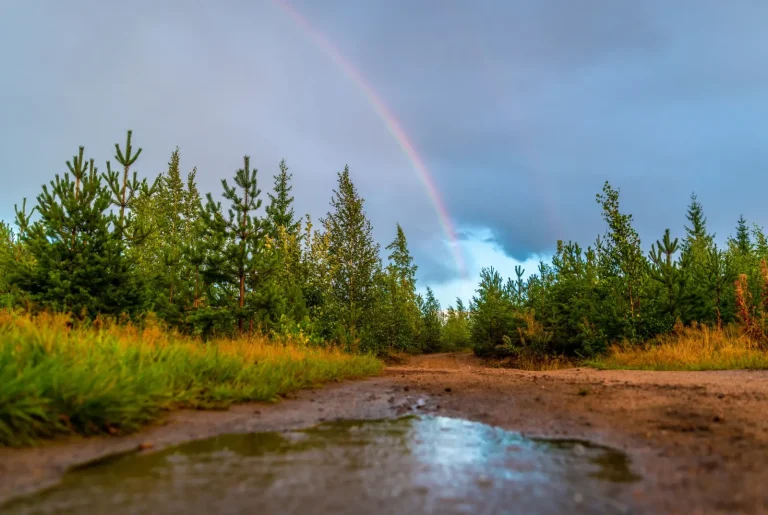
Wet season conditions, roughly November through March, transform the experience. Water pooling becomes common in low sections, and what appears to be solid ground might be boggy underneath. I’ve watched walkers commit to what looked like a firm surface only to sink ankle-deep into mud. The trails don’t become impassable, but they require constant attention. Visibility also drops when the canopy is at its thickest and dampness hangs in the air. Drying time after rain is slow – sometimes 24 to 48 hours before the trails are genuinely pleasant to walk.
Dry season walking, May through September, is more predictable. The trails firm up, visibility improves, and you can actually see the landscape around you rather than just the immediate path. This is when most people walk Bellthorpe, and it shows. The trails are more worn, and you’re more likely to encounter other walkers. The temperature range is also more manageable – cool mornings warming to pleasant afternoons without the intense heat of summer.
Navigation and Time Estimates
The trail system is marked, but the markings aren’t constant. You’ll see blazes painted on trees, but they’re not always obvious, and in sections where the trail is obvious, they disappear entirely. This is normal for Australian bush walking, but it means you need to stay aware of where you are. The main loops are straightforward enough that you won’t genuinely get lost, but it’s easy to miss a junction if you’re not paying attention. I’ve seen walkers overshoot turns because they were looking at their phones or lost in thought.
Timing is tricky because the terrain doesn’t allow consistent pace. A section that looks flat on a map might have enough root systems and uneven ground that you’re moving carefully. Conversely, what appears steep might be more walkable than expected because the forest floor has enough grip. Most people underestimate walking time through Bellthorpe by about 20 to 30 percent. A trail marked as two hours often takes closer to 2.5 or even three hours, depending on your fitness and how much you stop to look around.
Starting time matters more than people typically acknowledge. Walking in the forest starts to feel different as light levels drop. The canopy makes it darker than open terrain, and by late afternoon, the forest becomes noticeably dimmer. If you’re planning a longer walk, starting early enough to finish with good daylight remaining isn’t just safer – it’s more enjoyable. I’ve finished walks in fading light where the forest felt genuinely different from the morning version, and not in a pleasant way.
Physical Demands and Fitness Considerations
Bellthorpe’s trails aren’t technically difficult, but they’re more physically demanding than their distance suggests. The elevation gain is moderate, usually 200 to 400 meters depending on which loop you choose, but it’s often concentrated rather than gradual. You’ll encounter sections where the trail climbs steadily for 20 or 30 minutes without a break. The uneven ground also taxes your legs differently than walking on pavement or even well-groomed hiking trails. Your stabilizer muscles work harder because you’re constantly adjusting for roots and rocks.
Fatigue accumulates differently in forest walking than on open trails. You’re not fighting wind or direct sun exposure, so you might not feel as tired until you stop and realize how much effort you’ve expended. The mental focus required to watch the trail also creates a different kind of tiredness. I’ve seen reasonably fit walkers hit a wall halfway through because they underestimated how much concentration and balance the terrain demands.
What Actually Matters on the Ground
Footwear is more important than people think. Runners or trail shoes with good ankle support make a genuine difference. The uneven ground and root systems are hard on feet and ankles, and inadequate footwear turns a pleasant walk into an uncomfortable slog. I’ve watched people in worn-out shoes struggle with sections that others moved through easily.
Water is essential, but the amount people carry varies wildly. A two-hour walk requires at least one liter, and on warm days, two liters is more realistic. The forest doesn’t feel as hot as open terrain, so people tend to drink less, which catches up with them by the end of the walk. There’s no reliable water source along the main trails, so you’re carrying what you need.
The forest itself is relatively benign in terms of hazards. Snakes exist but are rare on walked trails. Insects are present – mosquitoes in wet season, march flies in warmer months – but not overwhelming on the main paths. The real risk is the simple one: losing your footing on uneven ground or misjudging a slippery section. Most issues come from inattention or overestimating your fitness level, not from the forest itself.
Walking Bellthorpe repeatedly teaches you that the forest isn’t static. The same trail feels different depending on season, time of day, and what’s happened weather-wise in the previous days. This variability is actually part of what makes it worth returning to. You’re not just walking a trail; you’re moving through a landscape that changes its character regularly, and that demands a different kind of attention than a standardized hiking path.