The rainforest hinterland behind the Sunshine Coast is one of those places where the reality of wildlife encounter rarely matches the expectation. Most visitors arrive with a mental image shaped by documentaries and tourism websites, then spend their time looking for animals that are either nocturnal, cryptic, or simply not present during their visit. After years of moving through these forests – sometimes leading groups, often just observing – I’ve learned that understanding what actually lives here, when you might see it, and why sightings are unpredictable is far more useful than a checklist of species.
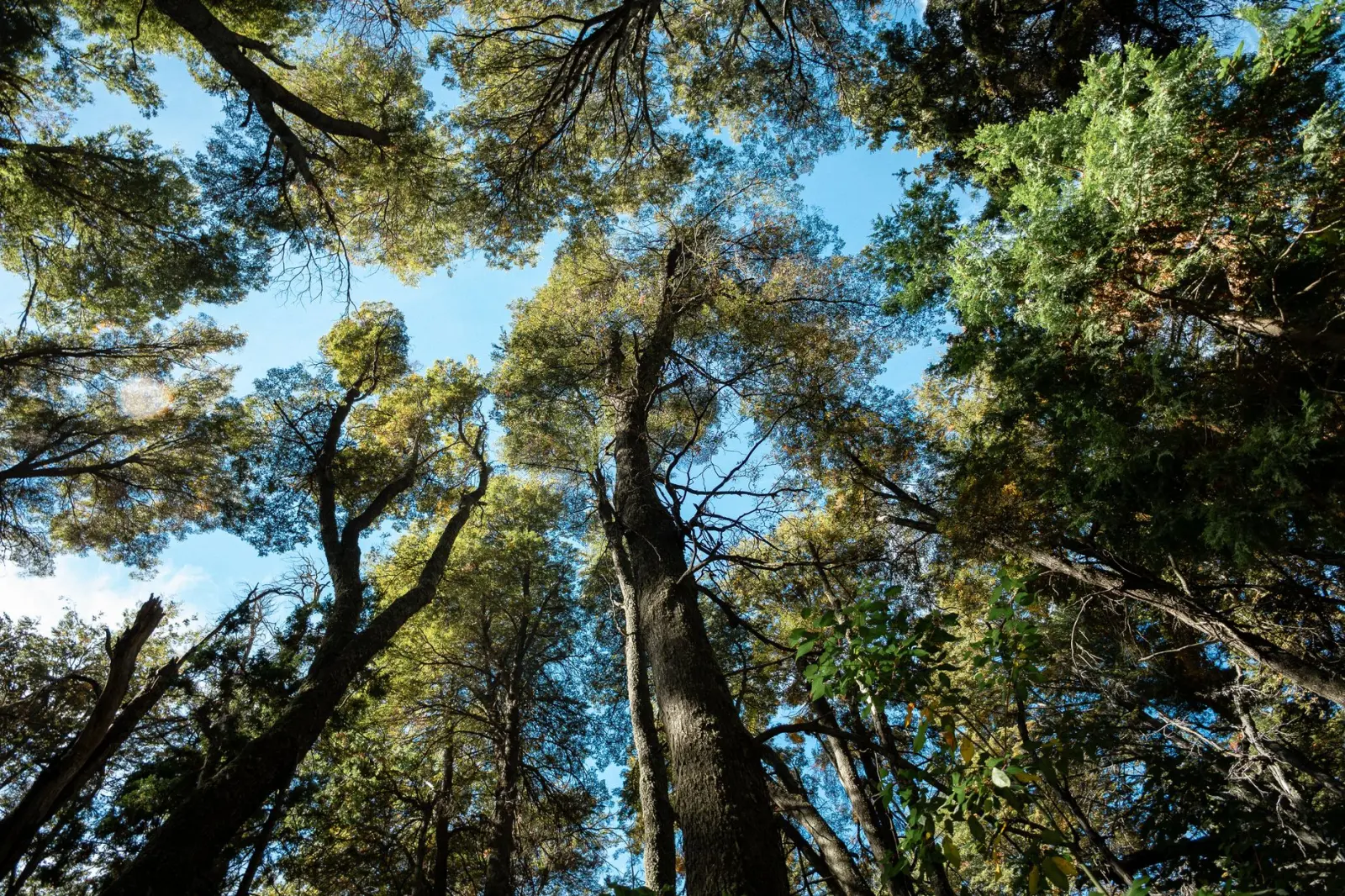
The hinterland itself is a specific ecosystem. We’re talking about subtropical rainforest that sits roughly between 200 and 900 metres elevation, running through areas like the Blackall Range, around Mapleton and Kondalilla, down through Boomerang Farm and into the valleys around Numinbah. This isn’t tropical rainforest in the far north sense. The canopy is dense but not impenetrable, and the understory changes noticeably with season and elevation. The soil is rich, water is abundant, and the forest floor stays damp most of the year. These conditions support a particular set of animals, and understanding the habitat tells you a lot about what you might encounter and when.
Mammals: Present but Rarely Seen
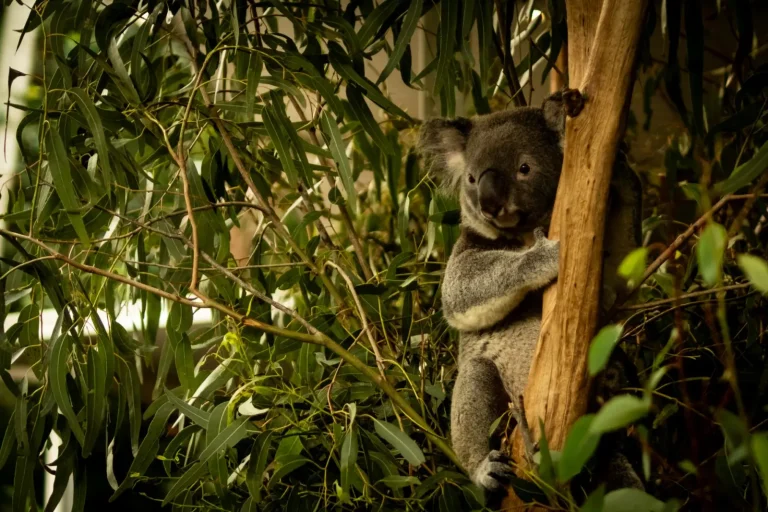
Large mammals are sparse here, and this is important to accept early. You won’t see wallabies bounding across open ground or koalas draped over branches at eye level. The forest is too dense, and the animals are too wary. What does live here includes swamp wallabies, which are small, solitary, and nocturnal. I’ve encountered them maybe three times in daylight over many years, usually near dawn on misty mornings when they’re moving between feeding areas. They’re nervous animals and bolt quickly into thick cover.
Possums are far more common, though you’re more likely to hear them than see them. The brushtail possum makes a distinctive guttural growl at night, especially during breeding season. Sugar gliders are present but genuinely difficult to spot – they’re small, fast, and active in the canopy at night. The koalas that do occur in the hinterland are scattered and elusive. Sightings happen, but they’re not reliable, and searching for them usually means disappointment. I’ve found that listening at dusk and dawn, when the forest is quieter and animals are more vocal, yields far better results than daytime searching.
Dingoes and wild dogs move through these forests, though they’re rarely encountered. You might find scat or hear them in the distance, particularly in autumn and winter when they’re more active. Echidnas are present but uncommon. I’ve seen them perhaps twice, both times in the early morning near the forest edge where they forage in leaf litter.
Birds: The Most Reliable Wildlife Encounter
Birds are where the real activity happens, and this is where patience and timing matter significantly. The hinterland supports a good diversity of species, and unlike mammals, many are active and vocal during daylight hours. The key is understanding that birds here are not uniformly distributed. They cluster around food sources – flowering trees, fruiting vines, areas with abundant insects – and these locations shift seasonally.
Rainforest pigeons, including the wompoo fruit dove and the emerald dove, are present year-round but more vocal and visible during fruiting seasons. When native figs or other fruiting trees are productive, you’ll see feeding activity in the canopy. Outside these windows, they’re quieter and harder to locate. The same applies to lorikeets and cockatoos. Rainbow lorikeets are common and noisy, especially in the morning. Sulphur-crested cockatoos move through in small flocks, usually calling loudly – you hear them before you see them.
Smaller forest birds like lyrebirds, whipbirds, and various honeyeaters are present throughout the year. Lyrebirds are fascinating to encounter, though they’re shy. Early morning, particularly in autumn and winter, is when they’re most vocal and active. Whipbirds have a distinctive call that echoes through the forest, and once you learn to recognize it, you’ll notice them more often. They’re skulking birds that stay in dense cover, but their calls give away their location constantly.
Raptors are less common than in open country, but they do hunt the hinterland. The powerful owl is present but nocturnal and rarely seen. Kookaburras are vocal residents, and their laughing call is one of the soundtracks of the forest. Kites and eagles occasionally hunt over the canopy, particularly in the early morning when thermals are developing.
Reptiles and Amphibians: Seasonal and Moisture-Dependent
Snakes are present in the hinterland, and this is something people worry about disproportionately. The reality is that encounters are rare. The most common species include the carpet python, which is non-venomous and generally docile, and various venomous species like the brown snake and tiger snake. Encounters with any snake are uncommon, and they’re far more interested in avoiding you than confronting you. Most snake sightings I’ve had have been on warm mornings after cool nights, when they’re thermoregulating on paths or rocks.
Lizards are more frequently encountered. Blue-tongue lizards move slowly through the forest floor and are often spotted on paths. They’re harmless and slow enough that you can watch them for extended periods. Smaller skinks are common in leaf litter and under logs. Goannas are present but not commonly seen in the deep forest – they prefer more open areas and forest edges.
Frogs and toads are abundant, especially after rain and during the warmer months. The hinterland’s moisture and permanent water sources support a diverse frog community. After heavy rain, particularly in spring and summer, the forest floor comes alive with frog calls at night. The giant barred frog, which is endemic to this region, occurs here but is not commonly encountered. Most frog activity is auditory rather than visual – you’ll hear dozens of species calling at night but see relatively few.
Seasonal Patterns and Practical Timing
Wildlife activity in the hinterland follows clear seasonal patterns, and timing your visit around these patterns significantly improves your chances of seeing or hearing animals. Spring (September to November) brings increased bird activity as breeding season approaches. Calls are more frequent, and birds are more visible as they establish territories and forage actively. This is probably the best time for bird watching.
Summer (December to February) is wet and warm. Frog activity peaks, particularly at night. Reptile activity increases with the heat, and insects are abundant. However, the thick vegetation and frequent rain can make visibility poor. Autumn (March to May) is often overlooked but offers excellent conditions. The weather is mild, the forest is still productive, and animals are preparing for winter. Winter (June to August) is cooler and drier, which can actually improve visibility in some areas, though overall animal activity decreases.
Time of day matters as much as season. Early morning, from about 30 minutes before sunrise until mid-morning, is when most birds are active and vocal. Mammals are most active at dusk and through the night. Reptiles are most visible on warm mornings and afternoons. The middle of the day, particularly in summer, is generally quiet across all animal groups.
What You’re Unlikely to See
It’s worth being direct about this. You will not reliably see koalas, even though they live in the hinterland. You will not see platypuses or echidnas unless you’re very lucky. You will not encounter large numbers of animals in one location. The hinterland is not a zoo or a wildlife park. It’s a wild forest where animals have learned to avoid people, and sightings are often brief and at a distance. The most rewarding approach is to move slowly, listen carefully, and accept that some visits will yield minimal sightings while others, under the right conditions, will offer genuine encounters.
The forest itself is the primary experience. The sounds, the moisture, the layered canopy, the constant small movements in the understory – these are what the hinterland offers. Animals are part of that ecosystem, and seeing them is a bonus rather than a guarantee. After many years of walking these forests, I’ve found that the best wildlife experiences come not from searching for specific animals but from moving through the forest with attention and patience, letting the place reveal what’s actually there on any given day.