Mapleton’s rainforest sits in Queensland’s Blackall Range, and after spending considerable time moving through its canopy and understory, I can tell you the wildlife experience here differs markedly from what most visitors expect. The rainforest is dense, layered, and the animals are not performing for an audience. You’ll see far less than you might imagine, and what you do encounter often requires patience, timing, and honest luck.
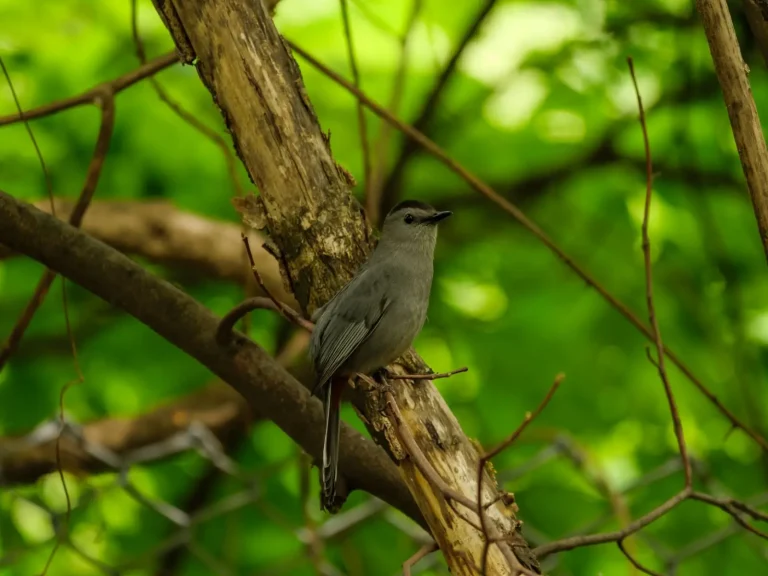
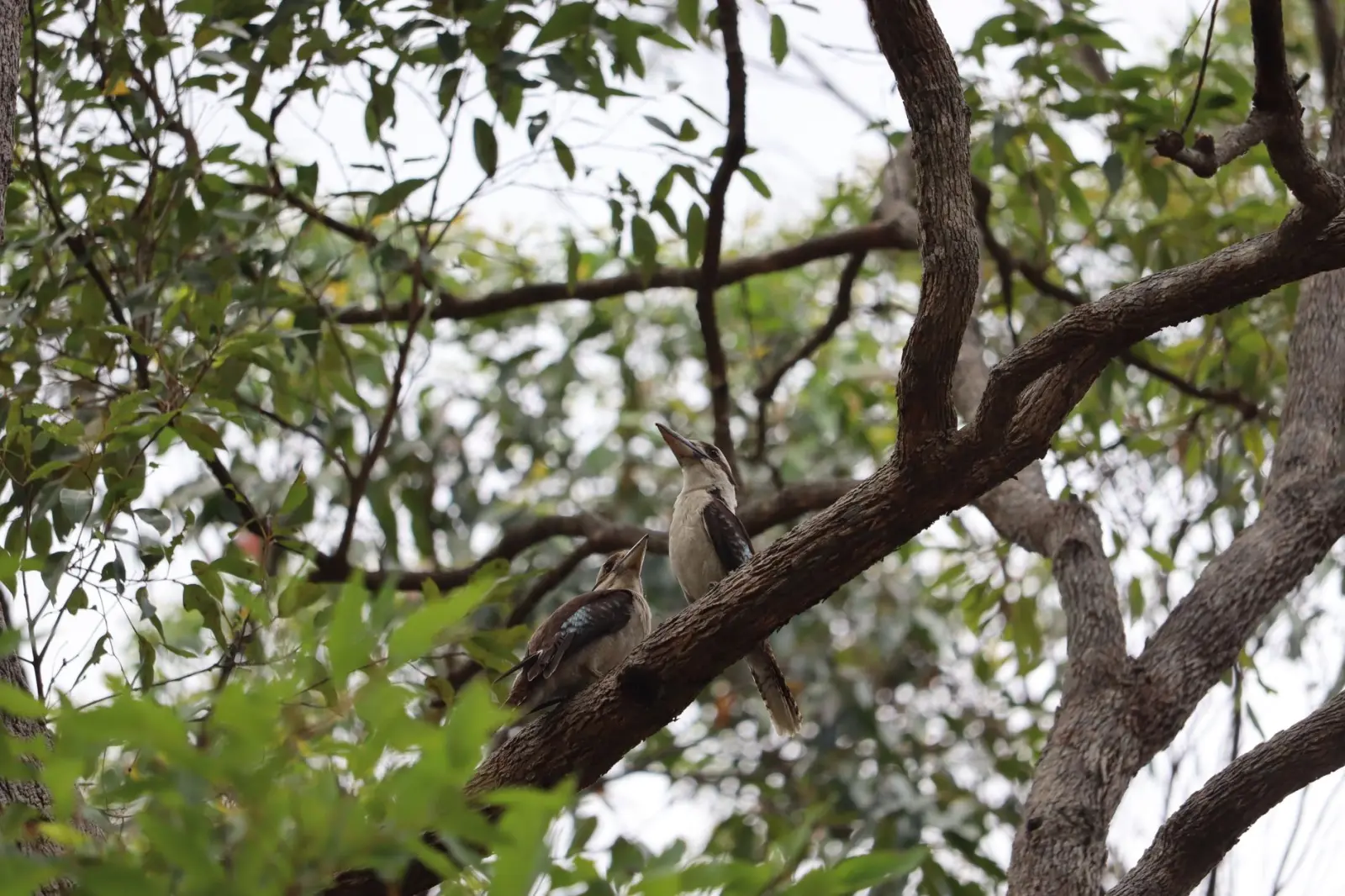
The most reliable sightings involve birds. The rainforest here supports a solid population of native species, and early morning walks – before the heat builds and human noise accumulates – yield regular encounters. Crimson rosellas move through the canopy in small groups, their red plumage unmistakable against green foliage. They’re loud, social, and often the first indication that the forest is occupied. Satin bowerbirds are common, though their presence is more often confirmed by sound than sight. The males produce a remarkable range of calls, some almost mechanical, and if you hear a loud, repetitive clicking or whipping sound, that’s likely a bowerbird working on his display structure somewhere nearby.
Lyrebirds inhabit the forest floor and lower understory, and their mimicry is genuinely impressive when encountered in person. The issue with lyrebirds is that they’re skittish and mobile. You might hear one for several minutes, then it vanishes into the leaf litter before you’ve caught more than a glimpse of its tail. Their mimicry of other birds and mechanical sounds – chainsaws, car alarms, camera shutters – is real, though often exaggerated in popular accounts. What’s less discussed is how difficult they are to photograph or observe closely.
Mammals: Present but Hidden
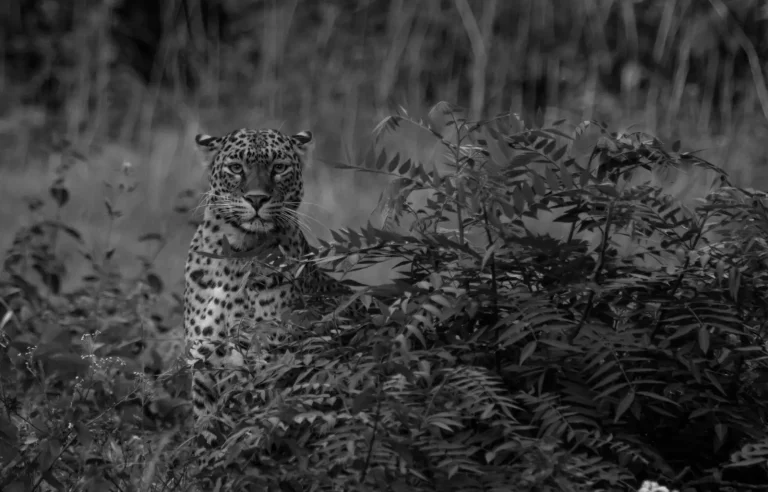
Mammals in Mapleton’s rainforest are abundant but rarely seen. Brushtail possums are present in significant numbers, yet most visitors never encounter one. They’re nocturnal, arboreal, and move through the canopy at night. If you’re staying in accommodation near the forest edge, you might hear them – a loud, aggressive-sounding call that startles newcomers – but daytime walks will rarely produce a sighting. The same applies to gliders. Sugar gliders and feathertail gliders live in the forest, but observing them requires either luck or a night-time guided experience, and even then, sightings are not guaranteed.
Wallabies do inhabit the area, and you’re more likely to encounter them at dawn or dusk near forest margins and cleared areas. They’re not confined to the dense rainforest interior; they prefer transitional zones where they can feed and retreat quickly. I’ve seen them most often near walking tracks at the forest edge, particularly where the vegetation opens slightly. They’re alert and will move away before you get close, so binoculars are useful.
Bandicoots and other small marsupials are active in the leaf litter and undergrowth, but their nocturnal habits and small size mean they’re largely invisible to daytime visitors. You might see evidence of their activity – disturbed leaf litter, small burrows – but the animals themselves remain elusive. This is typical of rainforest ecology; much of the fauna is active when humans are not.
Reptiles and Amphibians
Snakes are present in Mapleton’s rainforest, and this concerns most visitors more than it should. Encounters are rare. The rainforest provides ample shelter and prey for snakes to thrive without needing to cross walking tracks or approach humans. I’ve spent many hours in the forest and seen snakes infrequently. When you do encounter one, it’s usually moving away from you. The most common species you might see are carpet pythons, which are non-venomous and generally docile. They’re well-camouflaged and often spotted draped over branches or in trees near walking tracks.
Frogs are everywhere in the rainforest, particularly after rain. The acoustic environment changes dramatically during wet periods – the chorus of calling frogs becomes almost overwhelming. Different species occupy different niches, from ground-dwelling species to arboreal frogs that spend their entire lives in the canopy. During the day, frogs are mostly silent and hidden, but at night or during rain, their presence becomes unmistakable. The diversity is genuine, though identifying individual species requires expertise or good field guides.
Lizards are present but not particularly conspicuous in the rainforest interior. You’re more likely to encounter them in open areas or on the forest edge. Skinks and other ground-dwelling species are active, but they move quickly and blend effectively with leaf litter. Larger species like goannas are rare in the dense rainforest, though they do occur in the region.
Insects and Invertebrates
The insect life of Mapleton’s rainforest is genuinely extraordinary, though it’s rarely what draws visitors. Butterflies are present and can be striking – the Cairns birdwing and various other large species occur here – but they’re not abundant or predictable. You’ll see more insects if you move slowly and observe carefully. Ants are ubiquitous and form a significant component of the rainforest ecosystem. Spiders are common, and while most are harmless, their presence is often noted with concern by visitors unfamiliar with rainforest environments.
The invertebrate biomass of the rainforest far exceeds that of vertebrates, yet this rarely registers with visitors focused on seeing charismatic megafauna. The reality is that the forest functions largely through the activities of creatures too small to notice during a casual walk. Leaf-cutter ants, beetles, termites, and countless other species process organic matter and drive nutrient cycling. This is where the actual work of the ecosystem happens.
Timing and Realistic Expectations
The best time to encounter wildlife in Mapleton’s rainforest is early morning, particularly in the hour after sunrise. The forest is cooler, human activity is minimal, and many animals are actively feeding or moving. Wet seasons bring increased amphibian activity and sometimes increase mammal visibility. Dry seasons can concentrate animals near water sources, which can improve sighting chances if you know where these occur.
Most visitors spend 1 – 3 hours in the rainforest and see a fraction of what’s actually present. This isn’t a failure of the forest or the visitor; it’s simply how rainforest ecology functions. The animals are there, but they’re adapted to avoid detection by larger predators, including humans. A single lyrebird, a few rosellas, perhaps a wallaby at the forest edge – this is a typical and actually quite good outcome for a morning walk.
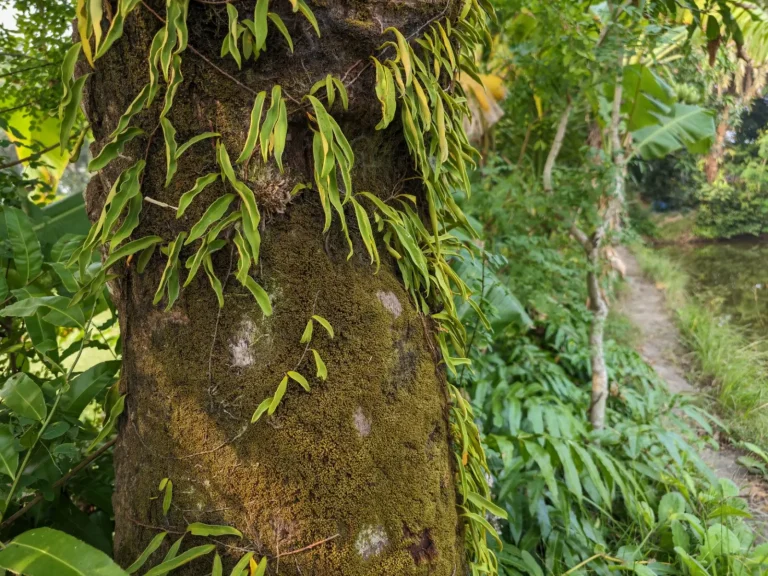
The rainforest itself is the primary attraction, not the wildlife. The towering trees, the layered vegetation, the sound and smell of a complex ecosystem – these are what make Mapleton’s rainforest worth visiting. The animals are part of that experience, but they’re not the performance. Adjust your expectations accordingly, and you’ll find the rainforest genuinely rewarding.