Dry rainforests occupy an unusual ecological middle ground. They’re not quite savanna, not quite the lush tropical rainforests most people imagine, and they’re scattered across the globe in ways that make them harder to reach than their wetter cousins. After years of moving through these landscapes – sometimes deliberately, sometimes by accident when weather patterns shifted – I’ve learned that the appeal isn’t in dramatic canopy height or constant moisture. It’s in the density of life packed into a smaller footprint, the visibility that wet forests deny you, and the particular quality of light that filters through semi-deciduous trees.
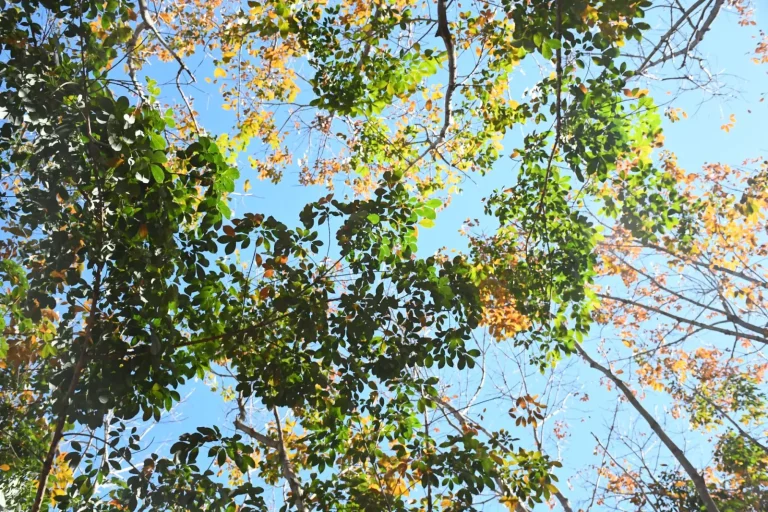
What distinguishes a dry rainforest from other tropical forests is the seasonal water stress. These forests receive enough annual rainfall to support forest structure, but with distinct dry seasons where trees shed leaves and water becomes scarce. This creates an environment where you can actually see deeper into the forest, where animal movement becomes more predictable, and where the botanical composition shifts toward drought-resistant species. The trade-off is straightforward: you get better visibility and often more wildlife encounters, but you also encounter genuine physical challenges – heat, dust, water scarcity, and insects that thrive in drier conditions.
Northwestern Mexico and the Sonoran Transition
The dry forests of Sonora and Sinaloa in Mexico represent one of the most accessible entry points if you’re based in North America. The region around El Pinacate y Gran Desierto de Altar and the Sierra Madre foothills contains forests that transition between true desert and more humid tropical woodland. What strikes you immediately is the structural complexity despite the apparent aridity. Trees like ironwood, palo verde, and various acacias create a canopy that’s lower and more open than wet rainforest, but the understory density can be surprising.
Logistics here are relatively straightforward. You can drive from Arizona or southern California, though the roads deteriorate quickly once you leave major highways. The best time to visit is November through March, when temperatures drop to tolerable levels and the dry season is well established. Water availability becomes critical – this isn’t a place where you can simply walk into the forest without planning. Most accessible areas are around Puerto Peñasco and inland toward San Luis Río Colorado, where local guides are essential and not optional. The heat in summer months renders exploration genuinely dangerous rather than merely uncomfortable.
Madagascar’s Western Forests
Madagascar’s dry deciduous forests, particularly around Menabe and Melaky regions, represent a different scale of remoteness and ecological distinctiveness. These forests are among the most biodiverse dry forests globally, with species endemism rates that rival wet rainforests. The catch is accessibility. Getting to the core dry forest areas requires either serious overland travel or small-plane access, and infrastructure is minimal compared to other tropical destinations.
The dry season runs from May through October, and this is when travel becomes feasible. The roads are challenging – sometimes impassable during the wet season – and vehicle breakdowns aren’t rare. I’ve spent days waiting for parts or alternative transport in small towns where the concept of a schedule is theoretical. The forests themselves reward patience. Lemur activity peaks in early morning and late afternoon, and the reduced canopy density means you can actually track movement rather than hearing invisible animals. The combination of unique fauna, genuine wilderness conditions, and minimal tourist infrastructure makes this a destination for travelers with flexibility and realistic expectations about comfort.
The Chocó Region and Pacific Slopes
The Pacific-facing slopes of Colombia and Ecuador contain some of the wettest “dry” rainforests on the continent, which sounds contradictory until you experience the seasonal pattern. The Chocó bioregion receives enormous rainfall, but the dry season (December to March) creates windows where forest access improves dramatically. The forests here are extraordinarily dense and species-rich, with canopy layers that create a cathedral-like atmosphere even during the drier months.
Access to core Chocó forests typically requires hiring local guides and arranging transport through small towns like Quibdó or Bahía Solano. The infrastructure is basic, and communication can be unreliable. What you gain is immersion in one of the planet’s most biodiverse regions with minimal tourist pressure. The trade-off is significant: travel is slow, accommodation is modest, and you’re dependent on local knowledge for safety and logistics. The dry season window is narrow, and even during optimal months, afternoon rain is common. I’ve found that the best approach is to commit to a week or more in one area rather than trying to cover multiple locations.
Central American Dry Forests
Costa Rica’s Guanacaste Province and northwestern Nicaragua contain dry forests that are more accessible than other global examples, which has both advantages and drawbacks. The accessibility means better infrastructure, more established trails, and easier logistics. It also means more tourists, particularly during peak season. The forests themselves are structurally simpler than their South American counterparts, with lower canopy height and more open understory.
The dry season (December through April) is pronounced here, and by March, many trees have shed leaves entirely. This creates excellent wildlife viewing conditions – animals concentrate around water sources, and visibility is unobstructed. Parks like Santa Rosa in Costa Rica and Masaya in Nicaragua have established trail systems and ranger presence. The downside is that peak season crowds can diminish the sense of wilderness. The forests recover quickly once rains return in May, and by June, the landscape transforms into something almost unrecognizable from the dry season appearance.
Practical Realities Across Dry Forest Travel
Water management is non-negotiable. Dry rainforests don’t provide reliable water sources for travelers, despite being forests. Carrying capacity matters – I typically plan for 3-4 liters per person for a half-day exploration, more for full-day treks. Dehydration symptoms appear quickly in the heat and reduced humidity, and they’re easy to mistake for altitude or exertion effects.
Insect pressure differs from wet rainforests. Mosquitoes are often less abundant in the dry season, but biting flies, wasps, and ants become more aggressive as they concentrate around remaining water sources. Protective clothing and insect repellent rated for tropical conditions are practical necessities, not optional precautions. The heat itself is the primary challenge – dry forest travel in midday is genuinely exhausting, and early morning or late afternoon movement is standard practice among anyone with experience.
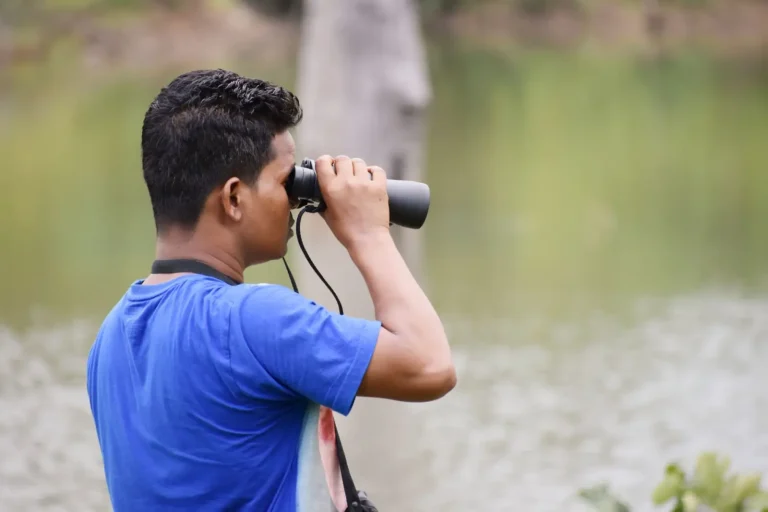
Wildlife viewing is genuinely better in dry forests than in wet rainforests, but expectations matter. You’ll see more animals, but encounters are still brief and often at distance. Patience and stillness yield better results than active searching. The reduced canopy density means you can scan larger areas, and animal movement is more visible against the sparser background. Birdwatching is particularly productive, as species diversity remains high and visibility is superior to wet forest conditions.
Timing your visit around the established dry season isn’t optional – it’s the difference between difficult travel and impossible travel. Even in “dry” season, afternoon rains occur in some regions, and road conditions deteriorate rapidly. Checking local conditions and being flexible about dates is essential. The best experiences I’ve had in dry rainforests involved arriving with loose plans and adjusting based on weather, local advice, and actual trail conditions rather than following a fixed itinerary.