Richmond Range sits in northern New South Wales, a landscape that looks deceptively manageable from a distance. The forests here are dense, often wet, and far more complex to move through than the elevation profiles suggest. I’ve walked these ranges multiple times over the past decade, and the experience rarely matches what people expect when they arrive with enthusiasm and a basic map.
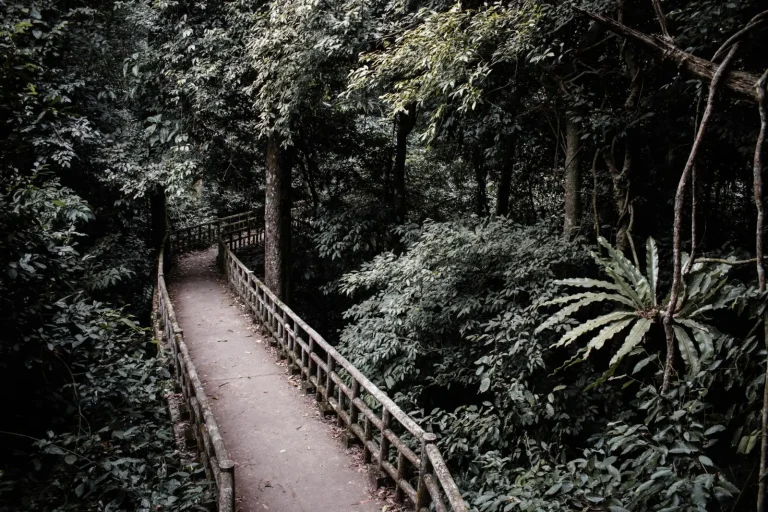
The first thing that strikes you is the canopy. The forest floor sits in permanent semi-darkness, which shapes everything about how you navigate and how your body responds to the work. The light doesn’t change much throughout the day – it stays dim, green, and disorienting. This affects your sense of time and distance in ways that become obvious only after a few hours. Your legs might feel fine, but your mind tires faster than it would in open terrain because there’s no visual reference point, no distant landmark to aim toward. You’re always moving through the immediate, the next ten meters, the next fallen log.
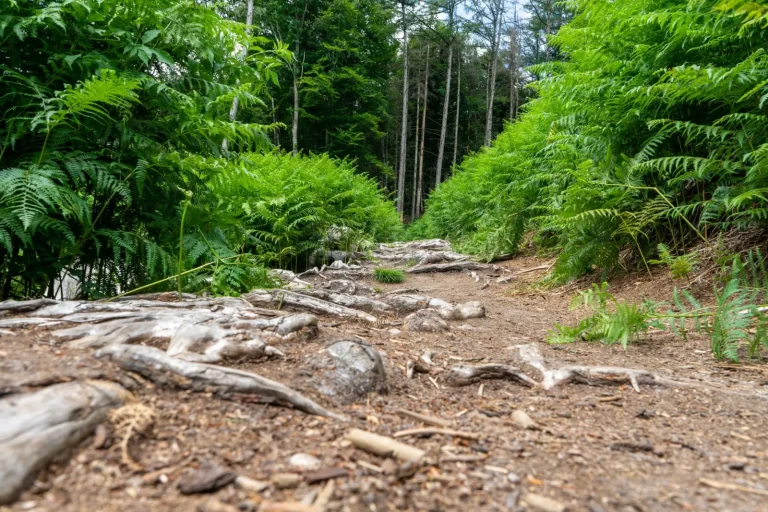
The ground itself demands constant attention. Fallen timber lies everywhere, in various stages of decay. Some logs are solid enough to walk across; others crumble or roll underfoot. The soil underneath is often soft, especially after rain, and your boots sink slightly with each step. This isn’t the clean, predictable footfall of a maintained trail. It’s a series of small adjustments – stepping over, stepping under, sidestepping around obstacles. Multiply this by several hours and your legs accumulate fatigue in places you don’t normally feel it.
Water and Weather in the Range
Water is everywhere in Richmond Range forests, and this creates both navigation challenges and logistical complications. Streams cross the terrain frequently, and they’re not always obvious from above. You might be walking on what feels like solid ground, then suddenly the forest opens into a gully with a creek running through it. The water itself moves fast after rain – these aren’t gentle flows. The banks are often slippery, and crossing requires deliberate footwork.
Weather here moves quickly and changes character without warning. The forest traps moisture, so even when it’s not actively raining, the air is saturated. Your clothes stay damp. Visibility can drop suddenly when cloud moves in, which happens regularly, especially in the morning and late afternoon. I’ve seen people arrive at Richmond Range in clear conditions and find themselves walking in near-mist within an hour. The temperature doesn’t drop dramatically, but the combination of dampness and reduced visibility creates a feeling of being enclosed that some people find unsettling.
Rain transforms the walking entirely. The soft ground becomes softer, the logs become slippery, and the creeks rise noticeably. Streams that were ankle-deep become knee-deep or impassable. I’ve turned back from walks not because of the rain itself, but because the creek crossings became unsafe. The forest doesn’t drain well – water pools in low spots and creates muddy sections that slow movement significantly.
Navigation and Route Finding
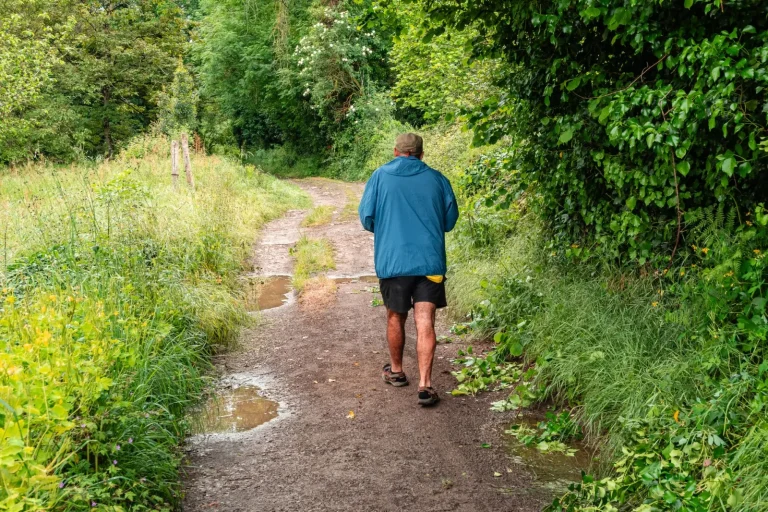
The trails through Richmond Range are marked, but the marking is inconsistent. Some sections have clear blazes on trees; others have minimal marking. The forest density means you can lose sight of the trail quickly if you’re not paying close attention. This isn’t a place where you can zone out and follow a path on autopilot. Your eyes need to stay active, looking for the next blaze, the next sign that you’re on the established route.
GPS works, but it’s not a substitute for attention. The canopy is thick enough that signals can be unreliable, and relying solely on a device creates a false sense of security. I’ve seen walkers stop repeatedly to check their phone, then continue in slightly the wrong direction because they weren’t reading the terrain alongside the technology. The best approach combines map awareness, visual trail finding, and technology as backup.
The terrain itself can be disorienting. Ridgelines aren’t always obvious, and the undulating ground makes it hard to judge distance. A slope that looks short on the map takes longer to climb than you’d expect because of the obstacles and the soft ground. This affects pacing and energy management. People often underestimate how much time a walk will take, partly because they’re not accounting for the constant small obstacles that slow progress.
Physical Demands and Pace
Walking through Richmond Range forests is less about distance and more about time on feet. A four-kilometer walk might take two hours or three, depending on conditions and how often you need to negotiate obstacles. Your heart rate stays elevated not because of steep climbing, but because of the constant, uneven terrain. The work is distributed differently than it would be on a maintained trail – your ankles, knees, and hips work harder to manage the uneven ground.
Fatigue accumulates in a particular way. Your legs might feel strong, but your feet and ankles tire from the constant adjustment and balancing. Your shoulders and back work harder than expected because you’re often leaning forward slightly to navigate under branches or around obstacles. By the time you’ve been walking for three or four hours, the cumulative effect is more noticeable than the individual components would suggest.
Most people underestimate how much water they need. The humidity and the physical work combine to create dehydration that you might not notice until you’re already thirsty. Carrying enough water adds weight, and the weight matters more on uneven ground than it does on a flat path. This creates a practical tension – you need water, but carrying it increases fatigue.
Practical Realities for Planning
Footwear matters significantly. Shoes with good ankle support and aggressive tread patterns perform better than lighter options. The soft ground and constant balancing mean your feet need stability. I’ve seen people arrive in trail runners and spend the walk fighting with their footwear. Proper boots feel heavier initially, but they reduce foot fatigue over the course of a long walk.
Timing your walk around weather is important, but it’s harder to predict than it seems. The forecast might show clear skies, but the local conditions in the forest can be different. Starting early gives you more flexibility to adjust your plans if conditions deteriorate. Walking in the afternoon means you’re moving through the forest as light fades, which compounds the existing dimness and makes navigation harder.
The forest is alive with sound and movement, but it’s subtle. You’ll hear birds, rustling in the undergrowth, and the sound of water running. This is normal. The forest also has a particular smell – damp earth, decomposing wood, and vegetation. These sensory elements are part of the experience, but they’re also worth noting because they’re different from what most people encounter in their daily environment. Some find it immersive; others find it slightly overwhelming.
Richmond Range walks are rewarding, but they require a different mindset than walking on maintained trails. The forest demands attention, patience, and realistic expectations about pace and comfort. The reward isn’t a dramatic vista or a clear destination – it’s the experience of moving through a complex landscape where every step requires engagement.