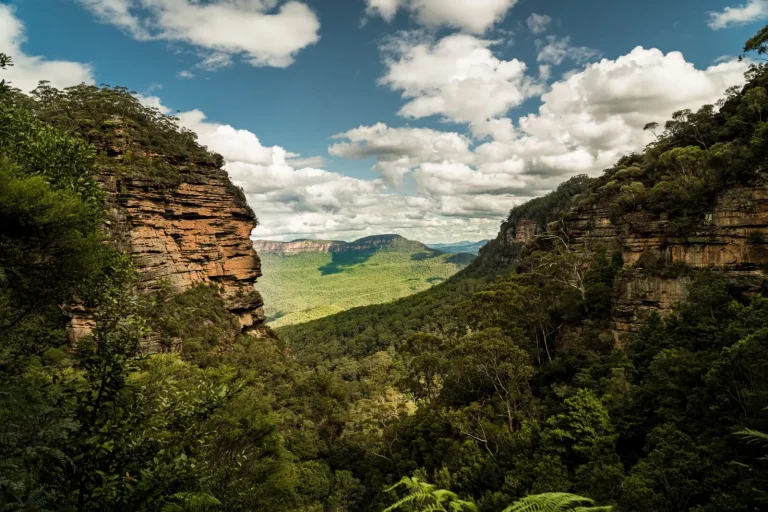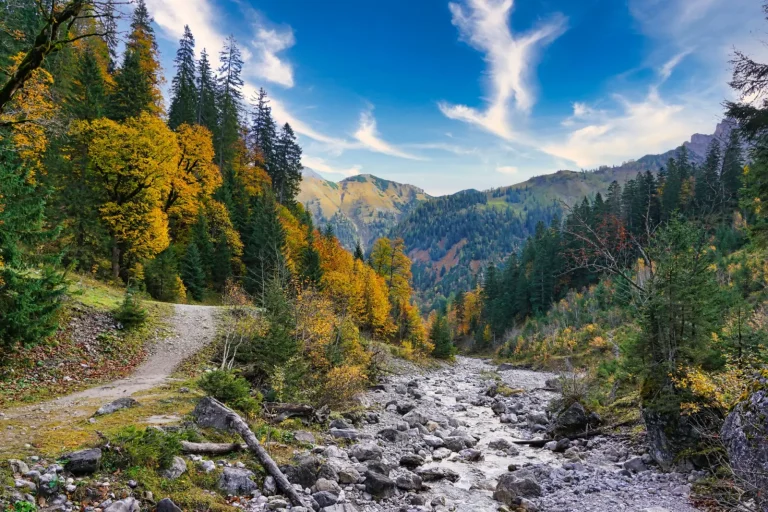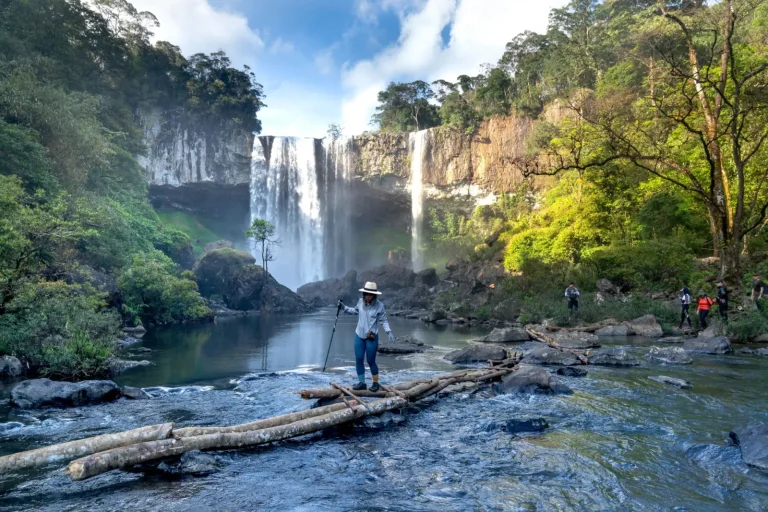

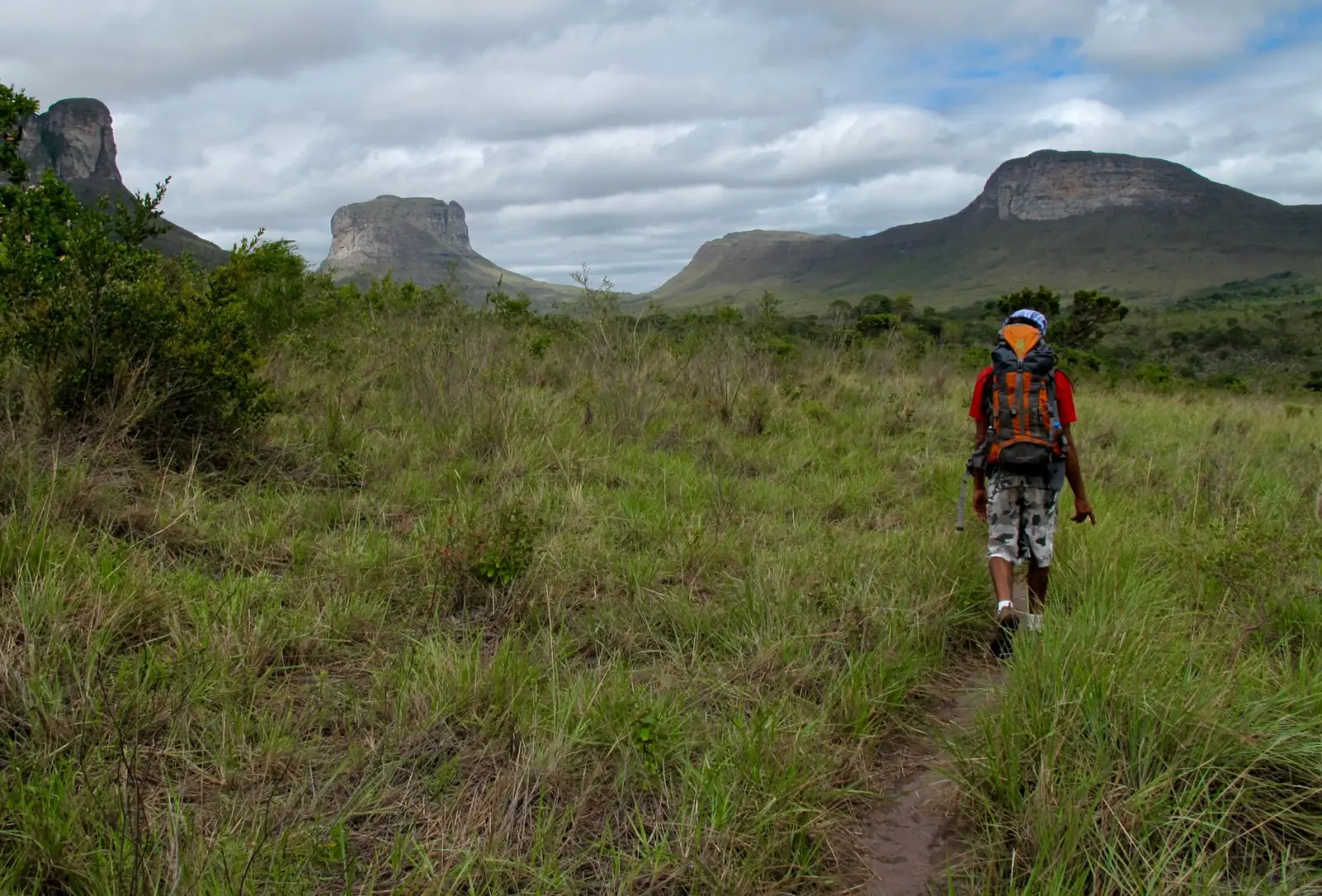
The forests around Cambridge Plateau attract a particular type of visitor – people who expect something closer to a managed park than what they actually find. After spending considerable time moving through these woods, I’ve learned that the gap between expectation and reality shapes most people’s experience here far more than the landscape itself does.
The plateau sits at a transition zone where several forest types overlap. You’re moving between drier upland woods and damper valley systems, which means the character of the walk changes noticeably depending on which direction you head and how far you venture. The soil composition shifts too, which affects everything from how muddy trails become after rain to what kind of vegetation dominates at different elevations. This isn’t uniform forest. It’s a patchwork, and that matters when you’re planning a day out.
Most people arrive expecting clear, well-maintained trails with occasional scenic overlooks. What they find instead are paths that range from obvious to barely traceable, depending on recent foot traffic and maintenance cycles. The plateau area doesn’t receive the same level of upkeep as more popular destinations. This isn’t a complaint about management – it’s simply the reality of a less-visited region. You need to move with more attention here. Your phone’s GPS works, but it’s not infallible under dense canopy, and relying on it exclusively creates a false sense of security.
Seasonal Shifts and Ground Conditions
Spring and early summer bring the most reliable conditions. The ground is firm enough to walk on without constant sinking, and the canopy is full enough to provide shade without being so dense that you lose all sense of direction. Late summer can be deceptive. The trails look dry from a distance, but the forest floor holds moisture longer than you’d expect, especially in the lower valleys. By August, the leaf litter masks uneven ground, and you discover roots and rocks by stepping on them rather than seeing them.
Autumn is when most people visit, drawn by the light and the colors. The problem is that autumn also brings unpredictable weather. Rain can arrive suddenly, and the forest canopy is thinning just when you’d want overhead cover. The paths become slippery quickly. Leaves accumulate and hide the actual trail surface, which means you’re essentially walking blind over terrain you can’t see. I’ve watched experienced walkers lose their footing repeatedly in conditions that looked manageable from above.
Winter is sparse and exposed. The bare trees mean better visibility across the landscape, which some people prefer. But the ground freezes in patches, thaws in others, and creates a surface that’s genuinely hazardous. The trails that seem fine in summer become treacherous. Wind picks up in the exposed areas, and the temperature drops faster than you’d predict from the starting point. If you’re moving through the forest in winter, you need to be realistic about your pace and your exit strategy.
Navigation and Getting Oriented
The forest’s layout isn’t intuitive if you’re unfamiliar with it. The plateau creates a false sense of level ground, but there are subtle elevation changes that compound as you move deeper in. You can walk for what feels like an hour on relatively flat terrain and realize you’ve drifted into a valley system that will require genuine climbing to exit. This isn’t dramatic terrain, but it’s enough to exhaust people who weren’t expecting it.
Landmarks are sparse. There are occasional rock outcroppings and distinctive tree clusters, but they’re not numerous enough to serve as reliable navigation points. The forest has a repetitive quality that makes it easy to lose confidence in your direction, even when you’re actually on track. Locals navigate by feel and memory. Visitors need to navigate by plan. This means marking your route mentally, noting specific features, and being willing to turn back if you’re uncertain. The forest doesn’t punish overconfidence dramatically – you won’t get catastrophically lost – but you can easily add hours to your walk by taking wrong turns.
The ridge system that runs through parts of the plateau offers better orientation. If you can identify the ridgelines, you have a framework for understanding where you are. But this requires some familiarity with how the terrain is organized. On a first visit, the ridge system isn’t obvious. It becomes clear only after you’ve moved through the forest a few times and started to recognize the larger shape of the landscape.
What Changes Between Early Morning and Afternoon
Light quality matters more than people realize. Early morning light penetrates the canopy differently, making the trail easier to follow and the forest less disorienting. By midday, the sun is higher, the shadows are shorter, and the forest can feel more uniform and harder to navigate visually. Late afternoon brings the opposite problem – long shadows create false depth and make the ground harder to read. Timing your walk for morning isn’t just about comfort. It’s about maintaining better situational awareness.
The forest also feels different acoustically at different times. Early morning brings bird activity and ambient sound that helps orient you. By afternoon, the soundscape flattens. This subtle shift affects how lost or found you feel, even if your actual position hasn’t changed.
Wildlife activity shifts too. You’re more likely to encounter deer and smaller mammals in early morning. By afternoon, most animals have retreated into deeper cover. This doesn’t create safety concerns, but it does mean that the sensory experience of the forest changes significantly depending on when you’re moving through it.
Physical Demands and Pacing
The forest around Cambridge Plateau doesn’t feel strenuous on paper. The elevation gains are modest, and the distances are manageable. But the actual physical demand is higher than the numbers suggest. The uneven ground, the need to watch your footing constantly, and the mental effort of navigation all accumulate. People often underestimate how tired they’ll be at the end of a walk that seemed simple in planning.
The lack of obvious progress markers makes it hard to gauge your effort. On a trail with clear distance markers or obvious landmarks, you can feel a sense of accomplishment as you reach each point. In this forest, you walk for what feels like a long time and the landscape looks largely unchanged. This creates a psychological fatigue that’s separate from physical tiredness. Your body might have energy left, but your mind is ready to stop.
Water sources are scattered and not always reliable. Streams exist, but their flow varies seasonally. Carrying enough water for a full day is essential. Most people underestimate how much they’ll need, especially in warmer months or if they’re moving slowly due to navigation uncertainty.
The forest around Cambridge Plateau rewards patience and realistic expectations. It’s not a destination for people seeking dramatic scenery or a quick, satisfying loop. It’s a place for moving slowly, paying attention to what’s underfoot and overhead, and accepting that navigation requires active engagement rather than passive following. That’s also what makes it worth visiting – the absence of crowds, the complexity of the terrain, and the requirement to actually be present in the landscape rather than simply consuming it.