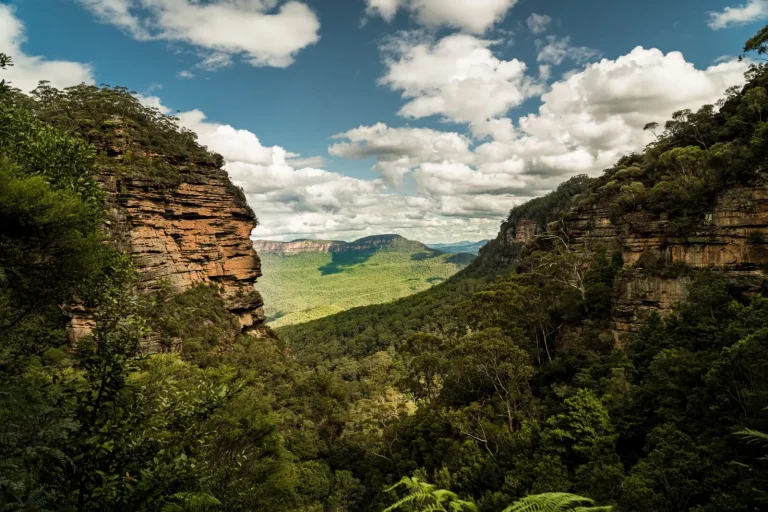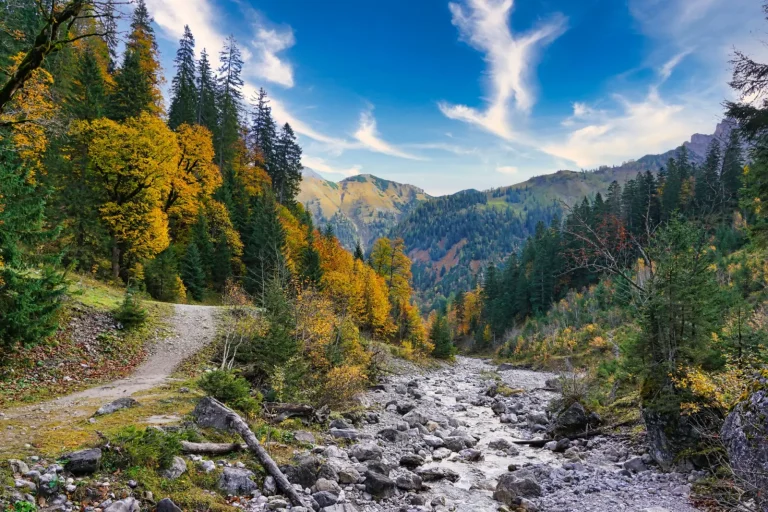

Washpool National Park sits in the New England region of New South Wales, and the forest there has a particular character that doesn’t always come across in the standard park descriptions. After spending considerable time moving through its trails, I’ve found that the experience is quite different depending on what you’re expecting and how prepared you actually are for the conditions.
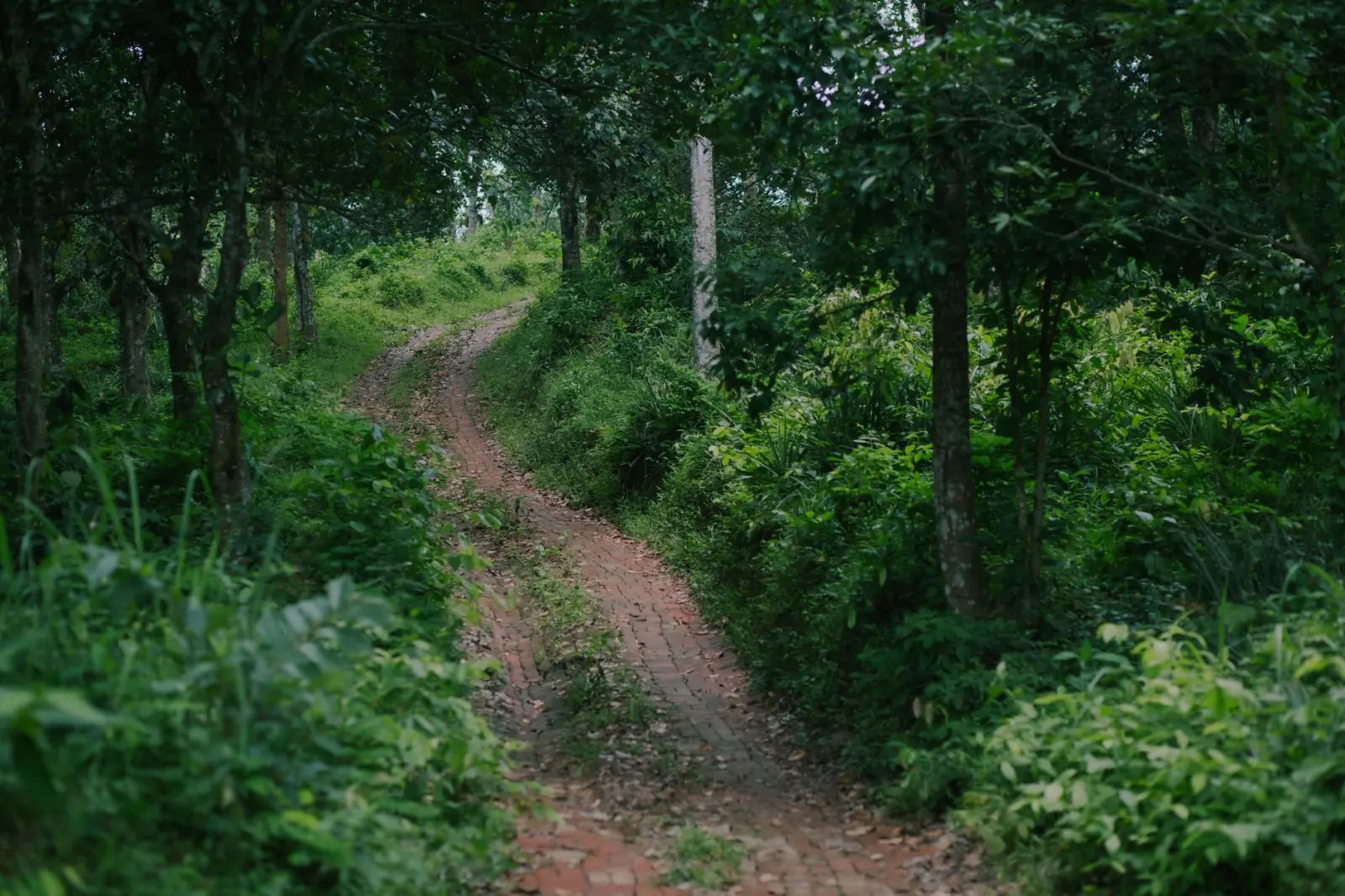
The forest itself is subtropical rainforest mixed with eucalypt woodland. Walking through it means navigating a landscape that’s dense in places and more open in others, with a floor that’s rarely flat for long. The canopy is thick enough that even on hot days, the temperature underneath stays noticeably cooler. This sounds pleasant in theory, and it often is, but it also means the ground stays damp longer than you’d expect, and the light is dim enough that you need to watch your footing constantly.
Most people arrive expecting a straightforward bush walk. What they encounter instead is terrain that demands attention. The trails themselves are generally well-marked, but they’re not manicured. Roots cross the path frequently. Rocks are embedded in the soil at angles that catch your foot if you’re not concentrating. The grade changes without warning – a flat section will suddenly slope downward, then level out again. None of this is dangerous in the way a cliff edge is dangerous, but it’s tiring in a way that surprises people who’ve only walked maintained tracks elsewhere.
Timing and Distance Feel Different Here
A 5-kilometer walk through Washpool takes longer than the same distance on a paved trail or even a well-graded bush track. The uneven ground, the need to step over obstacles, and the slight elevation changes all add time. I’ve watched people check their watches halfway through a supposedly short loop and realize they’re moving slower than they anticipated. This isn’t a problem if you know it’s happening, but it becomes one if you’re on a tight schedule or if you’ve misjudged how much daylight you have left.
The humidity also plays a role. Even when the temperature isn’t extreme, the air is thick, especially in the wetter sections near creeks. You don’t overheat the way you might in open sun, but you do tire faster because your body is working harder to cool itself. Sweat doesn’t evaporate as efficiently, and you feel the effort accumulating in your legs and lungs more than you would on a drier track.
Water and Mud Are Constants
Washpool gets significant rainfall, and the forest holds that moisture. Even weeks after rain, sections of the trail remain boggy. The park has installed boardwalks in some of the worst areas, which helps, but there are still stretches where your boots will sink slightly into soft ground. In wet seasons, these sections become genuinely muddy, and the mud here is slippery – it’s not the kind that grips your sole, it’s the kind that makes you slide.
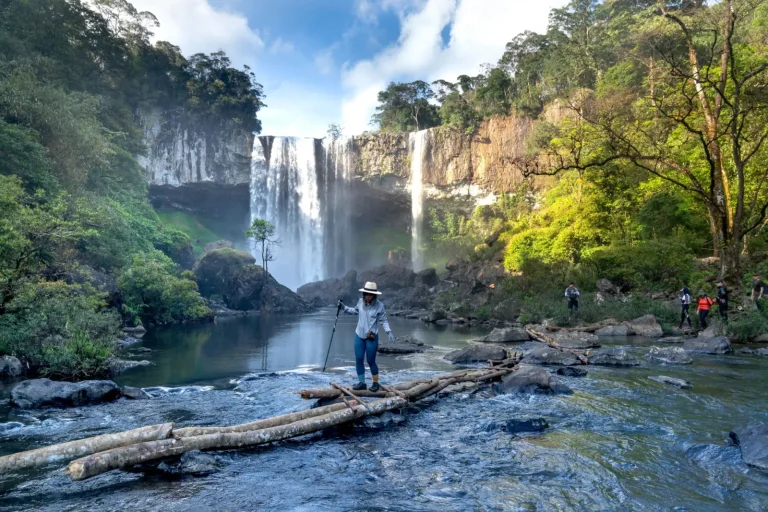
Creeks cross several of the main trails. Most of the time they’re fordable, but the rocks are slick, and the current can be stronger than it looks. I’ve seen people slip and catch themselves on rocks, and I’ve seen others decide to turn back rather than risk it. The water temperature is cold year-round, which matters if you slip and soak your clothes. Even if you make it across dry, the psychological impact of nearly falling stays with you for the rest of the walk.
What the Forest Itself Demands
The density of vegetation means you’re constantly aware of your immediate surroundings. There’s no long-distance view to orient yourself. This is fine on marked trails, but it does create a sense of enclosure that some people find claustrophobic. The canopy is high, but the undergrowth is thick, and you’re always in the middle of it.
Insects are present, though not overwhelming. Mosquitoes are more of an issue near water. Leeches appear after rain, particularly on the ground and on low vegetation. They’re not dangerous, but they’re unpleasant, and removing them requires patience and the right approach. Most people don’t carry salt or insect repellent strong enough to deter them, and discovering a leech on your leg halfway through a walk changes your mood noticeably.
The light quality is something I notice every time. The filtered green light through the canopy is pleasant to look at, but it makes it harder to judge depth and distance. Rocks and roots that would be obvious in direct sunlight become tripping hazards. Your eyes adjust, but the adjustment takes time, and if you’re moving at a normal pace, you don’t always get it.
The Practical Reality of a Half-Day Visit
Most people allocate two to three hours for a Washpool walk. That’s realistic for covering a moderate distance and returning to your car without feeling rushed. Trying to do it in ninety minutes means moving quickly, which means less attention to footing, which increases the risk of a misstep. The trails don’t punish carelessness severely, but they do punish it.
Fitness matters more here than on easier tracks. You don’t need to be athletic, but you do need functional leg strength and reasonable cardiovascular fitness. The uneven ground and constant small adjustments to your gait use muscles differently than flat walking. People who are fit but not accustomed to forest terrain sometimes find their legs more tired than expected. People who are very fit but haven’t done much hiking can be surprised by how their knees and ankles respond to the constant micro-corrections.
The reward for this effort is genuine. The forest is beautiful in a way that’s hard to capture in photographs. The sound environment is different from open country – you hear water, wind through the canopy, and bird calls, but not traffic or the ambient noise of civilization. There’s a quality of quiet that’s restorative, even though it’s not actually silent. Walking through Washpool’s forest is work, but it’s the kind of work that feels purposeful rather than obligatory.