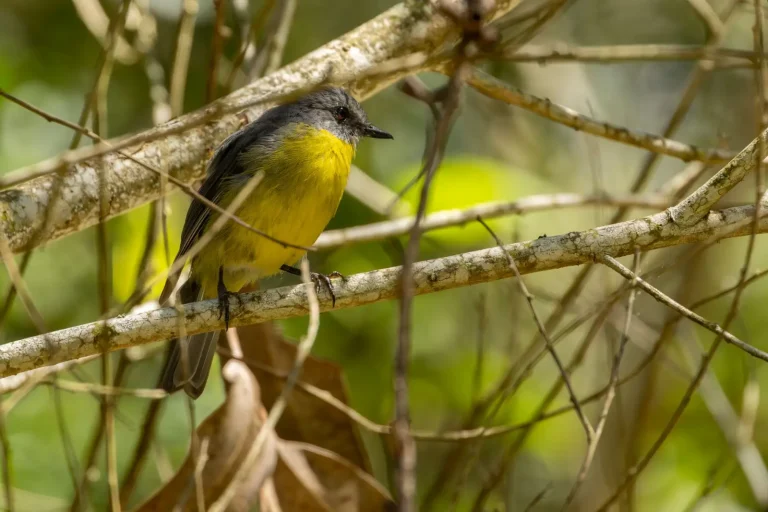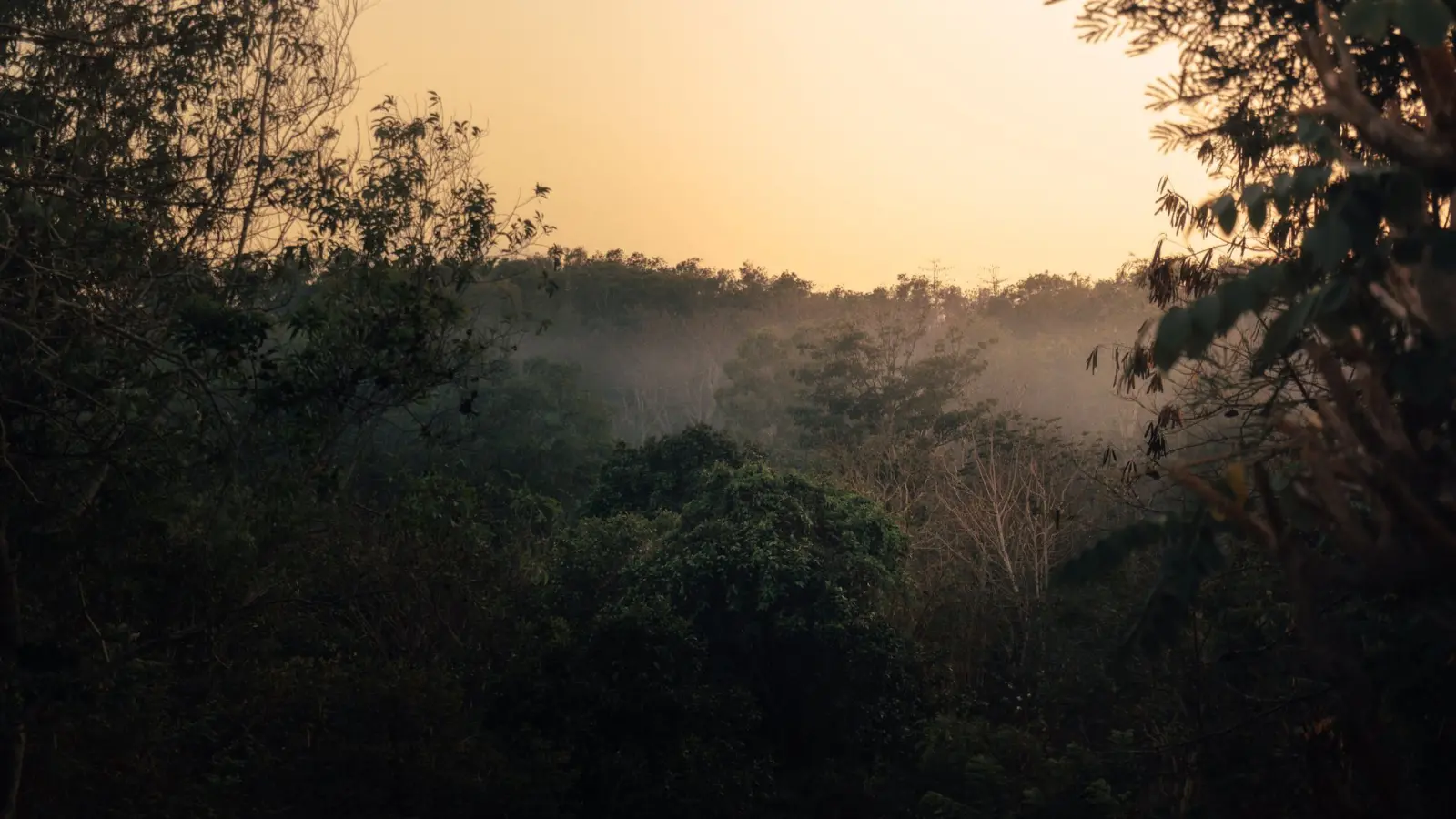
The rainforest patches within Gibraltar Range National Park sit in a particular ecological zone that most visitors don’t fully appreciate until they’ve spent time moving through it. The subtropical rainforest here isn’t the dense, impenetrable wall you might imagine from tropical regions further north. It’s structured differently – more open in places, with a canopy that lets light through in ways that shape which animals you’ll actually see and when.
After years of walking these trails at different times of year, I’ve noticed the wildlife presence shifts noticeably with season and time of day. The animals aren’t distributed evenly, and they’re not equally visible. Understanding this matters more than knowing a species list, because it changes what your experience will actually be like when you’re out there.
Birds and the Canopy Layers
The bird life is probably what you’ll notice first, though often just as sound rather than sight. The rainforest here supports a mix of species that favor different heights and feeding strategies. Whipbirds call from the mid-story, their sharp, distinctive crack-and-whip pattern unmistakable once you’ve heard it once. You’ll hear them far more often than you’ll see them, and that’s typical for this forest type. They stay in dense understory vegetation where the light is poor and movement is difficult.
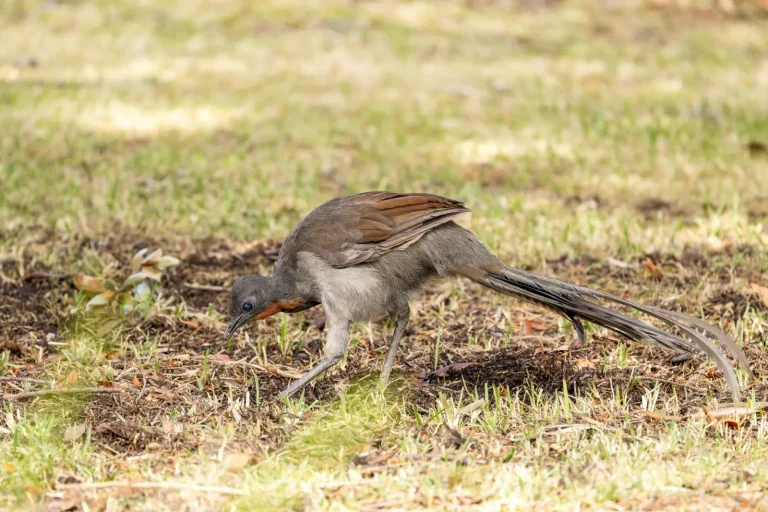
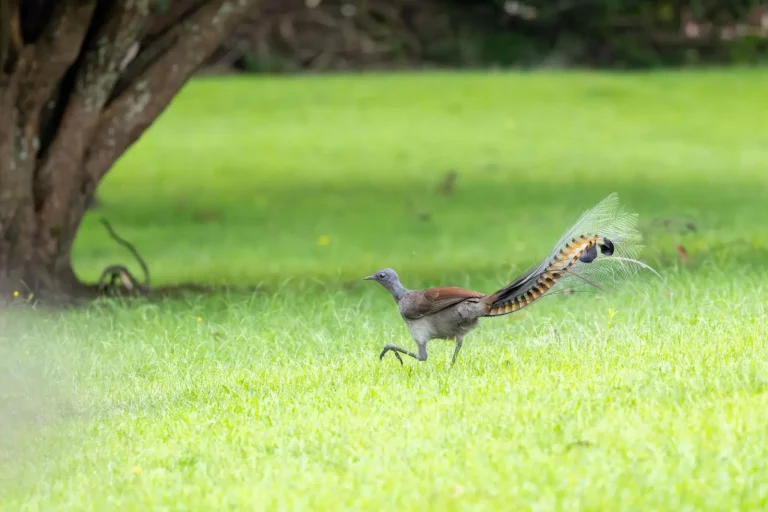
Lyrebirds are present, and their presence is significant because it tells you something about the forest’s structural health. They need substantial leaf litter and fallen wood to forage through, which means the forest floor has to be relatively undisturbed. When you hear a lyrebird mimicking other species – and they do this constantly – you’re listening to an animal that’s been in that same patch of forest for years. They don’t move far. The mimicry itself is often misunderstood by visitors; it’s not random performance. It’s territorial communication and feeding-related behavior.
Smaller honeyeaters and lorikeets move through the flowering trees depending on what’s in bloom. This is where season becomes critical to what you’ll see. If you visit when the rainforest understory is flowering, you’ll encounter far more bird activity. If you come during a quiet flowering period, the same forest can feel almost empty of birds, though they’re still there – just dispersed and less vocal.
Ground-Dwelling and Nocturnal Mammals
The mammals here are predominantly small to medium-sized, and most are either nocturnal or crepuscular. This is important because it means a daytime walk through the rainforest won’t give you much mammal sightings, regardless of how carefully you look. Brushtail possums are present and active at night. Gliders – sugar gliders and squirrel gliders – occupy the canopy, but you’ll need to be out at dusk or early night to see them, and even then it’s not guaranteed. They’re not rare; they’re just not visible during normal daylight hours.
Echidnas move through the forest floor and the surrounding open areas, and you’re more likely to encounter one of these than most other mammals. They’re active during the day, they move slowly enough to observe, and they leave visible evidence of their foraging – turned-over leaf litter and small excavations where they’ve been hunting for ants and termites. Encountering one is genuinely possible, though not common.
Bandicoots and potoroos inhabit the forest floor, but they’re shy and nocturnal. Their presence is indicated by small digging marks in the soil and leaf litter, but the animals themselves are rarely seen. Over many visits, I’ve encountered evidence of them far more often than the animals themselves. This is the reality of small mammal observation in rainforest – you’re mostly reading signs rather than observing directly.
Reptiles in Specific Microhabitats
Reptile diversity here is moderate but concentrated. Snakes are present – carpet snakes, brown snakes, and others – but they’re not abundant and encounters are genuinely rare. Most people spend dozens of hours in the rainforest without seeing a snake. The ones that are here tend to be in specific microhabitats: near fallen logs, in leaf litter, or in areas where small mammals are concentrated. They’re not randomly distributed throughout the forest.
Lizards are more visible, particularly in areas where the canopy opens up and there’s more ground-level sunlight. Blue-tongue lizards occupy the forest margins and more open understory areas. Smaller skinks move through leaf litter and fallen wood. The key observation is that reptiles here respond strongly to temperature and moisture. On cool, wet days, they’re less active and less visible. On warm, humid afternoons, particularly after rain, activity increases noticeably.
Frogs are abundant, especially during the breeding season. The sound of frog calls in the rainforest, particularly at dusk and night during spring and early summer, is one of the most distinctive features of the ecosystem. Different species call from different locations – some from the canopy, some from the ground, some from water sources. The acoustic environment changes dramatically between seasons and times of day.
Seasonal Patterns and Practical Timing
Spring and early summer bring the most obvious wildlife activity. Breeding season concentrates animal behavior, increases vocalizations, and makes observation more likely. Autumn is quieter. Winter is cooler and generally sees reduced activity, though this doesn’t mean the forest is empty – animals are present but less conspicuous. This isn’t speculation; it’s consistent across multiple years of observation.
Time of day matters significantly. Early morning, particularly the first hour after dawn, is when bird activity peaks. Late afternoon into dusk brings nocturnal species to activity. Midday is often the quietest period. If you’re planning to observe wildlife, these timing factors are more important than which specific trail you choose or how experienced you are at spotting animals.
The rainforest at Gibraltar Range supports a functional, healthy ecosystem with good species diversity, but it’s not a place where wildlife is constantly visible or dramatic. It’s a place where you need to move slowly, listen carefully, and understand that much of what’s happening is either above you in the canopy or below you in the soil and leaf litter. The animals are there. Seeing them requires patience and realistic expectations about what rainforest wildlife observation actually involves.