New England National Park’s rainforest sections sit at elevation where moisture gets trapped, and the result is something most visitors don’t expect when they think of Australia. The forest floor stays perpetually damp, the air hangs thick, and visibility shrinks to whatever is immediately in front of you. I’ve walked through these sections dozens of times across different seasons, and the experience rarely matches what people imagine before arriving.
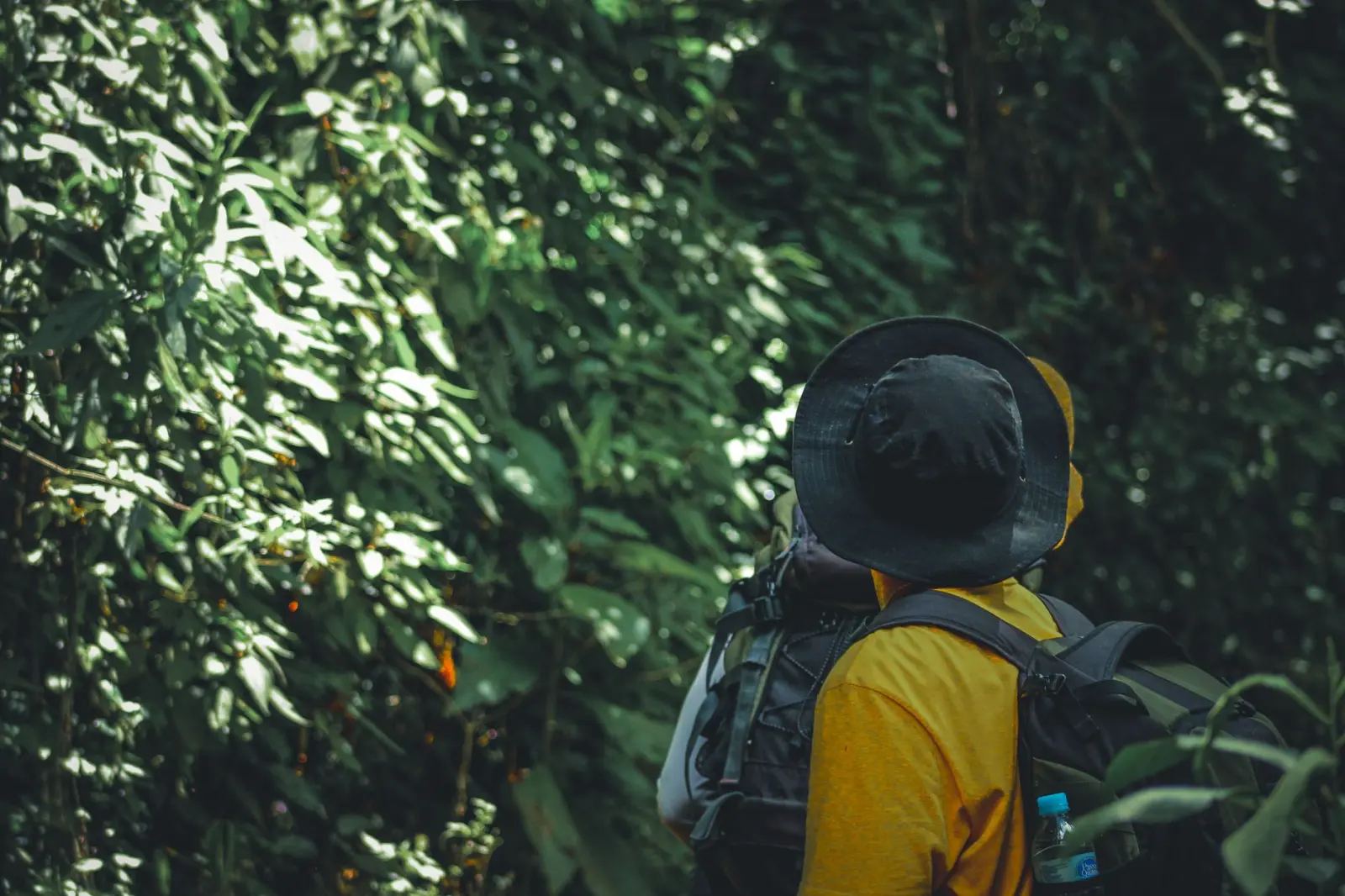
The first thing that strikes you is how enclosed it feels. The canopy closes overhead so completely that even on a clear day outside the forest, you’re walking in a kind of permanent twilight. Trees crowd together – Antarctic beech, brush box, and dense understory growth create a wall of green that seems to absorb sound. Your sense of space contracts. Trails that look straightforward on a map feel disorienting in person because landmarks disappear after fifty metres. This is not dramatic or dangerous in itself, but it does something to your pace and attention. People who move quickly on open trails tend to slow down here without consciously deciding to.
Moisture and Its Effects
The rainforest moisture is constant and pervasive. Even when it’s not actively raining, the air is saturated. Your clothes absorb it. Fabric that felt dry an hour ago becomes clammy. Skin stays slightly tacky. If you’re wearing cotton or merino that isn’t designed for high-humidity conditions, you’ll notice it within the first thirty minutes. The damp doesn’t make you cold exactly, but it prevents your body from regulating temperature effectively. You stay in a state of mild discomfort – not painful, but present enough that you become aware of your own physicality in a way that open-air hiking doesn’t demand.
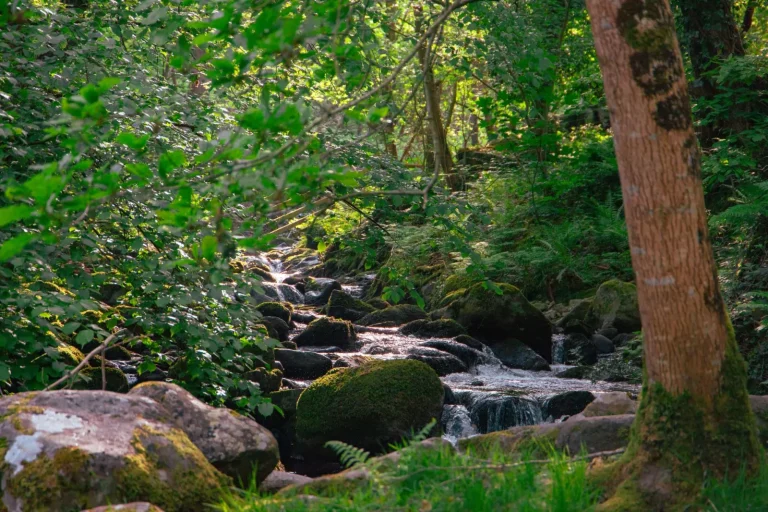
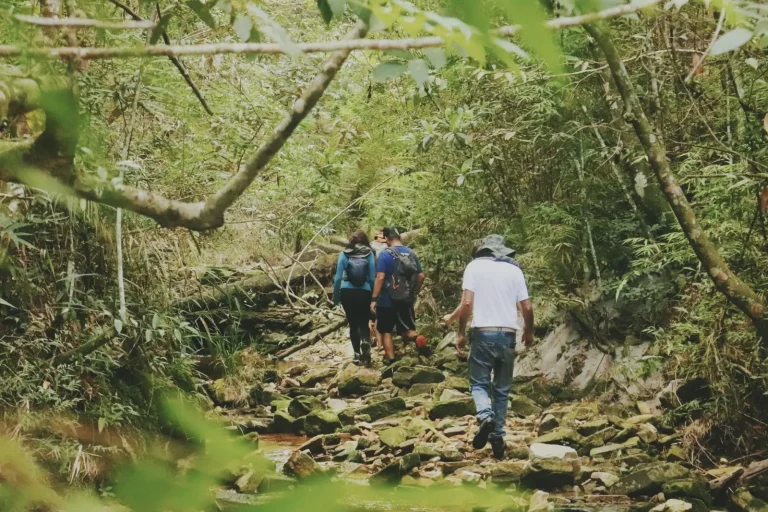
Footing changes with moisture. Rocks and roots are slicker than they appear. The trail surface itself ranges from soft earth to exposed stone, and both can be treacherous when wet. I’ve seen experienced hikers lose their footing on sections that looked stable. The risk isn’t extreme, but it requires genuine attention. You can’t zone out and let muscle memory carry you. This is actually where many visitors struggle most – not with distance or elevation, but with the mental fatigue of constant vigilance on uneven, slippery ground.
Visibility and Navigation
Mist moves through the rainforest in layers. On humid days, it sits at mid-canopy level, obscuring the upper forest entirely. On wetter days, it drops lower. I’ve been in sections where visibility compressed to maybe fifteen metres, which sounds dramatic but is actually manageable if you’re paying attention to the marked trail. The real issue emerges when people assume they can navigate by landmarks or memory. The forest looks almost identical in multiple directions. Without trail markers, most people would become genuinely lost within minutes.
The marked tracks are generally well-maintained, but maintenance standards vary. Some sections have clear blazes and defined edges. Others are less obvious, especially where the trail crosses open forest floor or where recent growth has encroached. I’ve watched visitors stop frequently to verify they’re on the right path, which breaks rhythm and adds psychological strain to what should be a straightforward walk. Bring a map, not just as backup, but as a reference point that helps you trust the route you’re on.
Physical Demands and Pacing
The rainforest trails in New England aren’t steep by mountain standards, but they’re relentlessly undulating. You’re constantly moving up and down over short distances. This prevents any kind of steady rhythm. Your legs work differently than they do on sustained climbs – more explosive on the ups, more braking on the downs. After two or three hours, this repetitive stress accumulates in your quads and knees more than a longer, steadier climb would.
The enclosed environment also affects pacing psychology. Without distant views or obvious progress markers, it’s harder to gauge how far you’ve come or how much longer the walk will take. People tend to either push harder than they should, trying to “get through” the forest, or slow down excessively because the environment feels more demanding than it actually is. Neither approach is ideal. The key is accepting that rainforest walking has its own rhythm, and trying to impose your usual pace usually backfires.
Weather Patterns and Timing
The rainforest is called that for a reason. Precipitation is frequent and often unpredictable. You can start a walk in dry conditions and encounter rain within an hour. The rain itself isn’t typically heavy – it’s more often a persistent drizzle that soaks through layers gradually. The canopy provides some shelter, but not as much as you might expect. Water finds its way through, and the forest floor becomes noticeably wetter within minutes of rainfall starting.
Early morning walks tend to be damper because of overnight moisture accumulation. By mid-afternoon, conditions often improve slightly as air temperature rises and some evaporation occurs. This isn’t a rule, but it’s a pattern worth considering when planning your visit. Starting early doesn’t necessarily mean you’ll avoid wet conditions, but it does give you the psychological advantage of knowing conditions will likely improve as the day progresses, rather than worsen.
The rainforest sections are accessible year-round, but the experience varies. Winter months are cooler and often wetter. Summer brings higher humidity and more insect activity. Spring and autumn offer the most balanced conditions, though “balanced” in a rainforest still means damp and enclosed. There’s no season that eliminates the core characteristics of the environment.
What People Underestimate
Most visitors underestimate the mental component. The physical demands are real but manageable for anyone with basic fitness. What catches people off guard is the psychological weight of being enclosed, of limited visibility, of constant attention to footing. After ninety minutes, people often report feeling more tired than their exertion level would suggest. This isn’t weakness – it’s a legitimate response to an environment that demands different kinds of awareness.
Insects are present but rarely problematic. Leeches exist in the rainforest but are uncommon on the main trails. Mosquitoes are more likely to bother you, especially in humid, still conditions. Insect repellent is worth carrying, though the enclosed environment and air movement usually limit exposure. Snakes are present but rarely encountered on established trails.
The rainforest walks in New England National Park are worthwhile specifically because they’re different from what most people experience. They’re not challenging in a dramatic way, but they demand respect for the environment and an honest assessment of your comfort with enclosed, damp conditions. The forest itself is remarkable – the tree species, the fern growth, the layered canopy – but experiencing it requires accepting that you’re moving through an environment optimized for moisture retention, not human comfort. That acceptance, oddly enough, is what makes the walk rewarding.