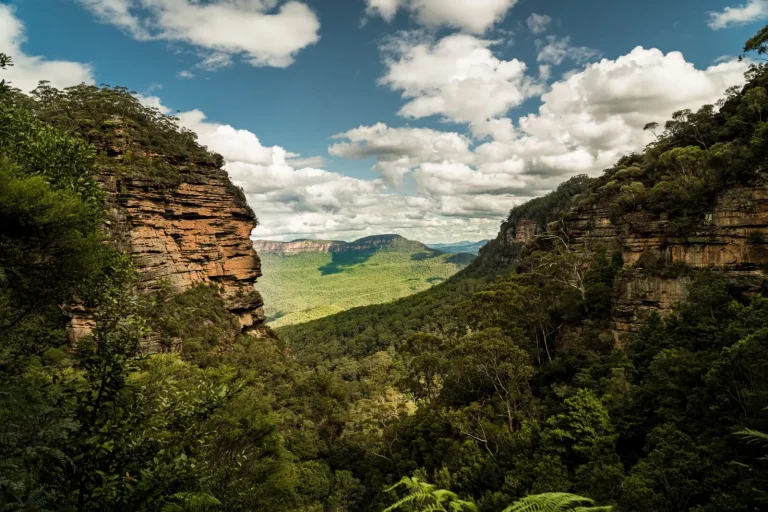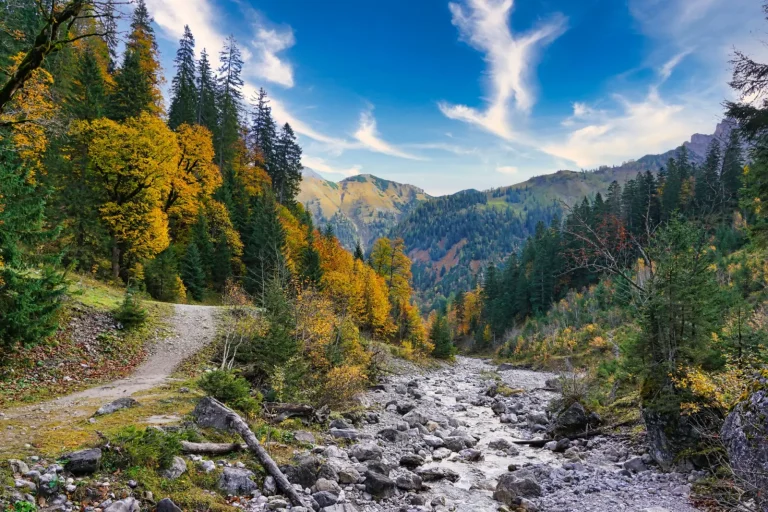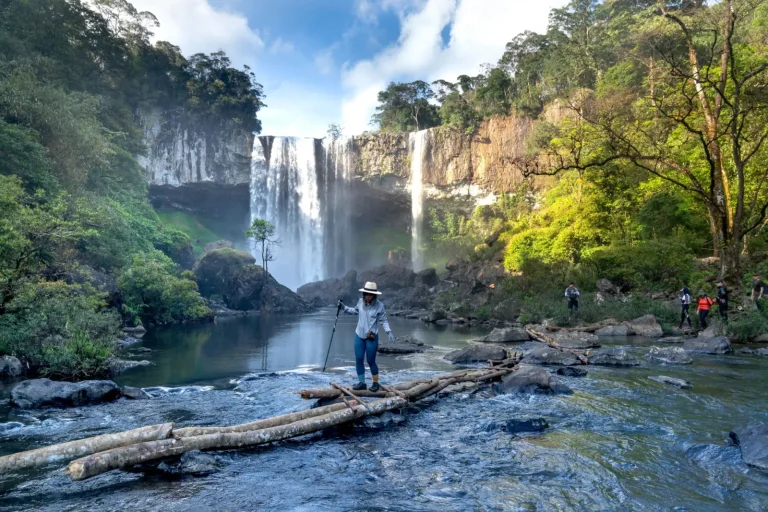

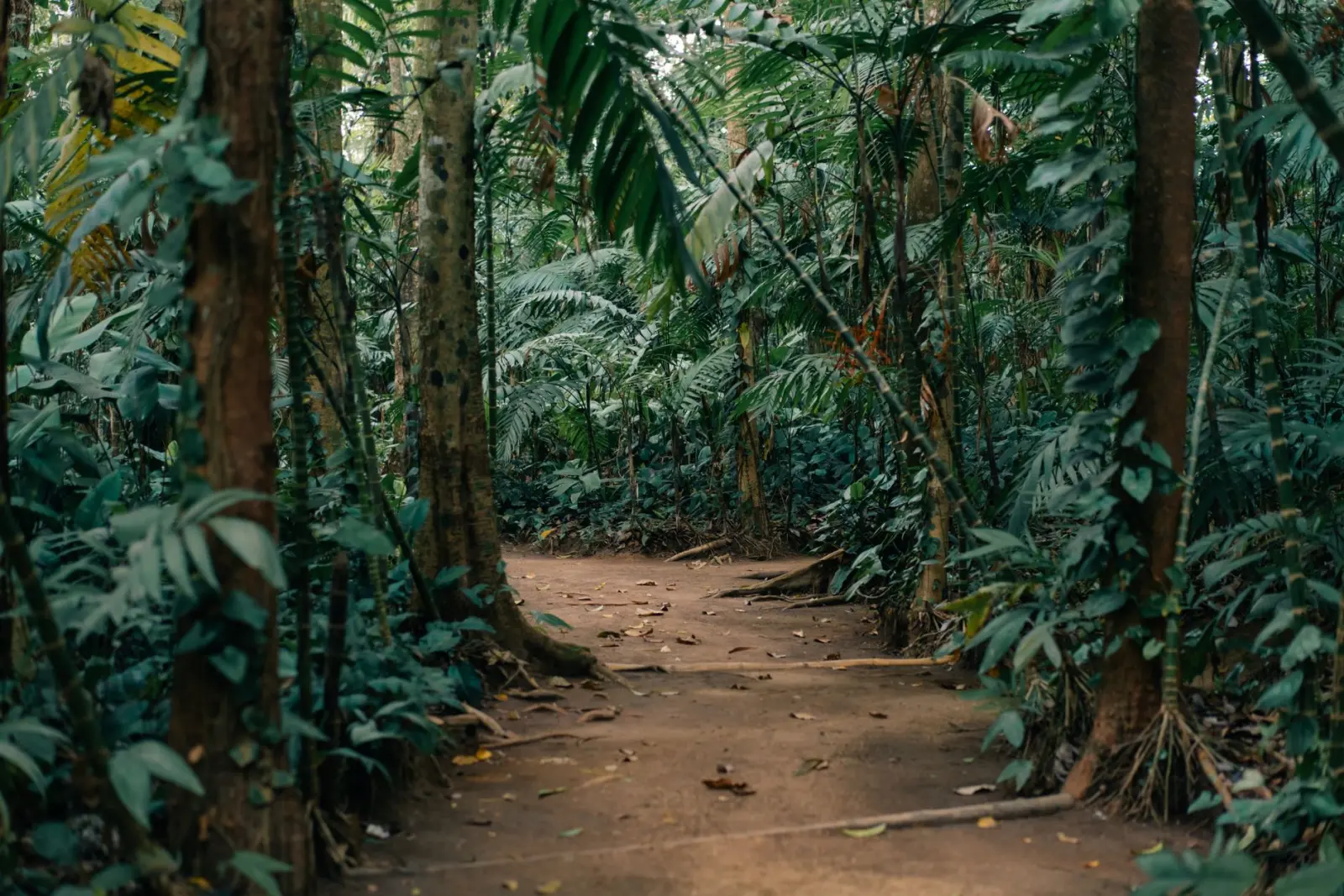
Armidale sits at the edge of some genuinely good rainforest country, though the walks themselves are more variable than the promotional material suggests. I’ve spent enough time moving through these tracks to know which ones justify the drive and which ones feel like a compromise between convenience and actual forest experience. The New England Tablelands create a particular kind of rainforest environment – subtropical at lower elevations, transitioning to cool temperate as you climb – and that shapes what you encounter on the ground.
The key thing to understand about rainforest walking near Armidale is that you’re not dealing with dense, impenetrable jungle. What you get instead are pockets of closed-canopy forest interspersed with open woodland and regrowth areas. This matters because it affects both the experience and the practical logistics. The tracks themselves tend to be well-maintained, which is good, but that maintenance also means they’re often walked enough that you won’t feel particularly remote. That’s not a criticism – it’s just the reality of accessible rainforest near a regional centre.
Ebor Falls and the Surrounding Tracks
Ebor Falls is the most straightforward option if you’re coming from Armidale town. It’s roughly 40 minutes’ drive, and the walk itself is short – around 2 kilometres return through open forest with a waterfall as the payoff. The track is well-graded, and you’ll encounter other walkers, particularly on weekends. The forest here is mixed, not pure rainforest, but there’s enough canopy closure to feel like you’ve left the tablelands behind.
What catches people out is the water level. In dry periods, Ebor Falls becomes a trickle, which fundamentally changes the appeal. I’ve been there when it’s been genuinely impressive and times when it’s barely worth the stop. The surrounding area has some longer options if you’re willing to explore beyond the main circuit – there are trails heading into the gorge that most day-walkers miss. These tend to be steeper and muddier, particularly after rain, but they do penetrate into actual rainforest canopy rather than just skirting it.
Dangars Falls and the Gorge System
Dangars Falls is closer to Armidale – about 25 minutes – and offers a different proposition. The main waterfall walk is short and popular, but the gorge system itself is worth exploring if you have time and reasonable fitness. The rainforest here is denser than Ebor, with proper subtropical elements: strangler figs, palms, and the kind of layered canopy that makes the forest feel genuinely enclosed.
The challenge with Dangars is access and timing. The track can be slippery, and in wet conditions it becomes genuinely technical in places. I’ve seen people turn back who weren’t expecting that level of difficulty. The gorge floor can be muddy for weeks after rain, and the humidity in summer makes it uncomfortable if you’re not accustomed to it. Early morning or late afternoon visits work better than midday, both for temperature and for light filtering through the canopy.
Wollomombi Falls and the Longer Circuit
Wollomombi Falls is the most substantial walk in the region – around 6 kilometres return depending on which circuit you choose. It’s about 30 minutes from Armidale. The falls themselves are impressive, but the real value is in the walk itself. You move through genuine rainforest for much of the route, with the canopy overhead and proper forest floor beneath your feet rather than just track surface.
This walk demands more than the others. It’s not technically difficult, but it’s longer, and the terrain is uneven. The track can be muddy even when other areas are dry, and there are sections with exposed tree roots and rocky steps that require attention. I’ve noticed most people underestimate the time required – the promotional estimates tend to be optimistic. Budget an extra 30 minutes beyond what the signs suggest. The payoff is that you see fewer people than at Ebor or Dangars, and the forest feels less like a managed attraction and more like actual bushland.
Point Lookout and the Tablelands Edge
Point Lookout isn’t pure rainforest – it’s more accurately described as wet sclerophyll forest transitioning to rainforest – but it’s worth including because the walk itself is excellent and the views across the New England are worth the effort. It’s about 45 minutes’ drive from Armidale. The walk is steep in sections, and it’s longer than many people expect, but it moves through genuinely wild country.
What makes Point Lookout different is the sense of exposure and scale. You’re not enclosed in forest the entire time; instead, you move between forest sections and open ridge, which gives you a sense of the landscape’s geography that you don’t get on the gorge walks. The forest here is cooler and more open than the subtropical rainforest at lower elevations, but it has its own character. In winter, it can be cold and windy, which catches people off-guard when they’re expecting subtropical conditions.
Practical Realities and Timing
The best time to walk these tracks is autumn and early winter – March through May. The temperature is manageable, the humidity is lower than summer, and the water levels in the falls are usually reasonable without being excessive. Spring can be good too, but the undergrowth is thicker and the mud lingers longer after rain.
Summer walking is possible but not ideal. The humidity is intense, and the combination of heat and closed canopy makes it exhausting. I’ve seen fit walkers struggle with what they expected to be an easy stroll. You need to start early – before 8 a.m. – and carry more water than you’d think necessary. The insects are also more active in summer, which matters if you’re sensitive to bites.
Footwear matters more than most people assume. These tracks are wet underfoot even in dry periods, and proper hiking boots with grip make a genuine difference. I’ve watched people in runners turn back because they couldn’t trust their footing on muddy sections. The forest floor is often slippery, and a twisted ankle far from the carpark is a real problem.
None of these walks are particularly remote. You’re always within reasonable distance of help, and the tracks are well-marked. But that doesn’t mean you should walk without basic precautions. Carry water, wear sun protection, and tell someone where you’re going. The weather can change quickly at this elevation, and while serious incidents are rare, they do happen.
The rainforest near Armidale is accessible and worth exploring, but it rewards realistic expectations. You’re not going to feel like you’ve stumbled into an untouched wilderness. What you will get is genuine forest immersion, proper canopy cover, and the sense of moving through landscape that’s genuinely different from the tablelands above. That’s enough if you approach it on its own terms rather than comparing it to something else.