Point Lookout sits at a transition zone where the forest character changes noticeably depending on which direction you move from the main area. After multiple seasons of walking these trails, the patterns become clear: the forest isn’t uniform, and what works on one path can become problematic on another within a short distance. Most visitors arrive with a general sense of “forest exploration” but don’t anticipate how quickly conditions shift or how the terrain demands different pacing than they might expect.
The immediate forest surrounding the lookout area tends to be denser than people assume. The canopy closes in faster than it appears from the parking area, and the understory – that layer of shrubs, saplings, and accumulated deadfall between the ground and the main tree canopy – creates navigation challenges that aren’t obvious until you’re actually moving through it. Trails that look well-maintained from a distance often narrow considerably once you’re in the thick of it, and the visual reference points that seemed clear from the lookout itself become harder to track.
Seasonal variation shapes the forest experience more dramatically here than in many other regions. Spring brings moisture that makes the soil unstable in certain patches, particularly where drainage is poor. Summer can turn the forest into a humid environment where the air feels still and heavy, and insect activity increases substantially. Fall offers the most stable walking conditions, though fallen leaves obscure the actual trail surface and can hide uneven ground. Winter transforms accessibility entirely – not necessarily because of snow depth, but because of ice formation on slopes and the loss of visual markers that vegetation provides.
The Terrain Patterns
Moving away from the main lookout area, the forest floor slopes in ways that aren’t immediately apparent from above. The elevation change isn’t dramatic in absolute terms, but it’s consistent enough that your legs notice it. Northward trails tend to retain moisture longer and often feel softer underfoot, while southern exposures dry out faster and can become compacted and harder on the knees. This matters more than it sounds when you’re covering distance over several hours.
The rock composition changes as you move deeper into the forest. Closer to the lookout, exposed bedrock and larger stones are common features. Further out, the forest floor becomes more organic – more leaf litter, more decomposing wood, less mineral substrate. This transition usually happens gradually, but it affects foot placement and pace. Rocks provide stability but can be slippery when wet. Soft forest floor is gentler on joints but can hide holes and uneven ground.
Water and Drainage
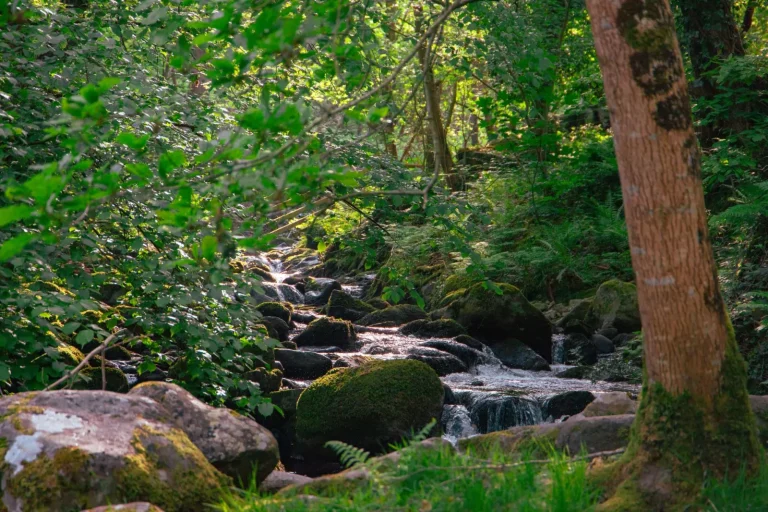
Small streams and drainage areas are scattered throughout the forest, and they’re not always obvious from trail maps. After rainfall, these become more active and can make certain sections of trail briefly impassable or at least significantly wetter than expected. The forest’s drainage patterns mean that water tends to concentrate in specific corridors, creating muddy sections that persist long after rain stops. These aren’t hazardous in most cases, but they do slow movement and can be frustrating if you’re not prepared for them.
The tree species composition shifts based on moisture availability and slope aspect. Wetter areas support different vegetation than drier ridges, and this creates distinct forest “zones” even though you might not consciously notice the transition. Denser conifer stands tend to be wetter underfoot, while mixed hardwood areas often drain better. This observation matters for planning timing and route selection, particularly if you’re exploring with limited daylight.
Navigation and Visibility
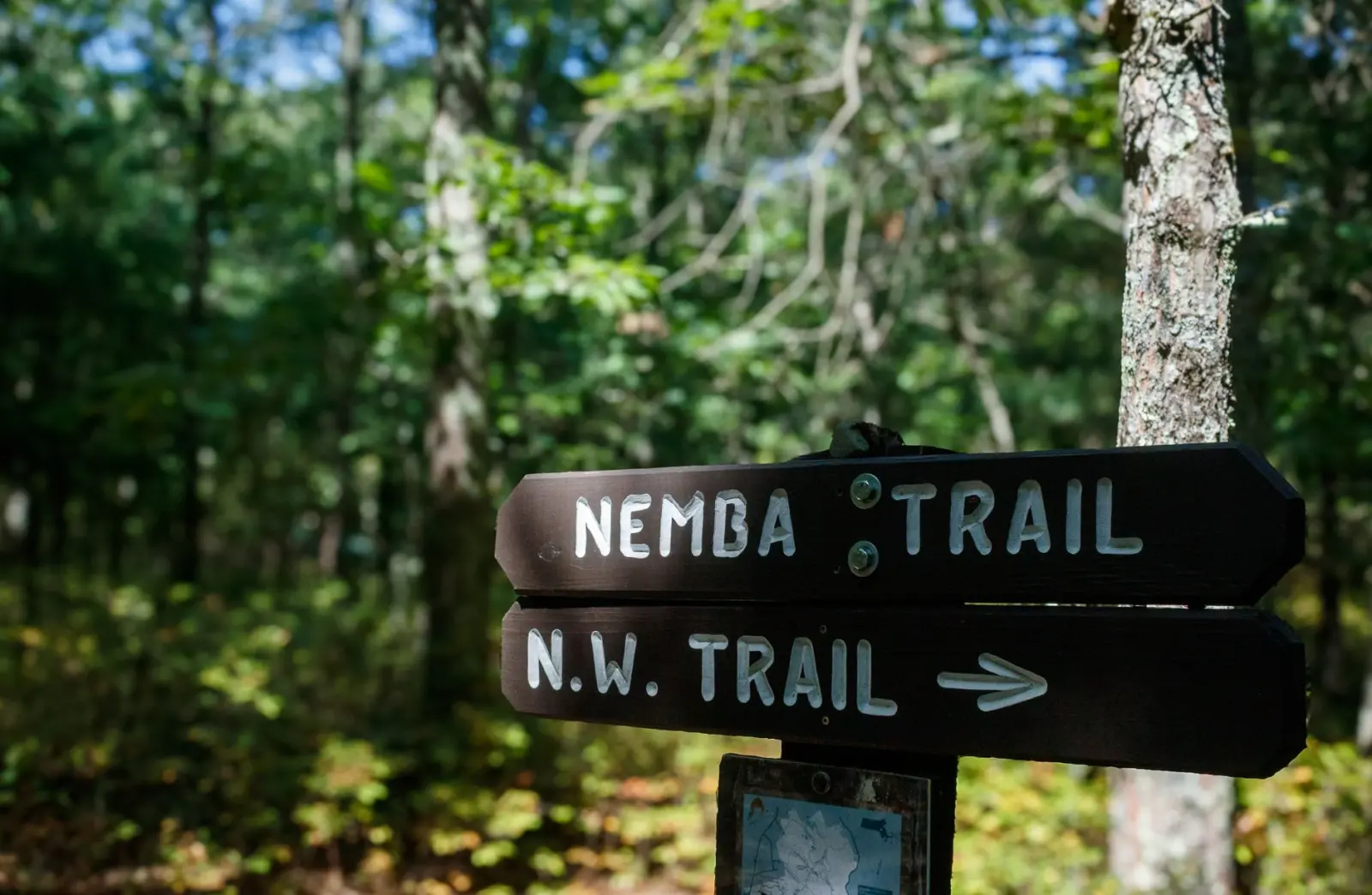
Trail marking in this forest is inconsistent. Some sections have clear blazes or maintained paths, while others rely on established foot traffic to define the route. This creates a false sense of security – you can follow what appears to be a clear trail and realize you’ve drifted off the intended path only after some distance. The forest’s density means that visual landmarks don’t carry as far as they do in more open terrain. What seemed like a distinctive tree cluster from the lookout becomes indistinguishable once you’re surrounded by similar vegetation.
Dead reckoning – using time, pace, and direction to estimate position – becomes unreliable in dense forest. The canopy blocks clear sky views, and the terrain’s gentle undulations make it hard to maintain a straight line. Experienced walkers develop an intuitive sense of the forest’s layout after repeated visits, but newcomers often underestimate how easy it is to lose directional confidence. This isn’t dangerous in a forest this size, but it does extend trip duration and can create unnecessary frustration.
Physical Demands and Pacing
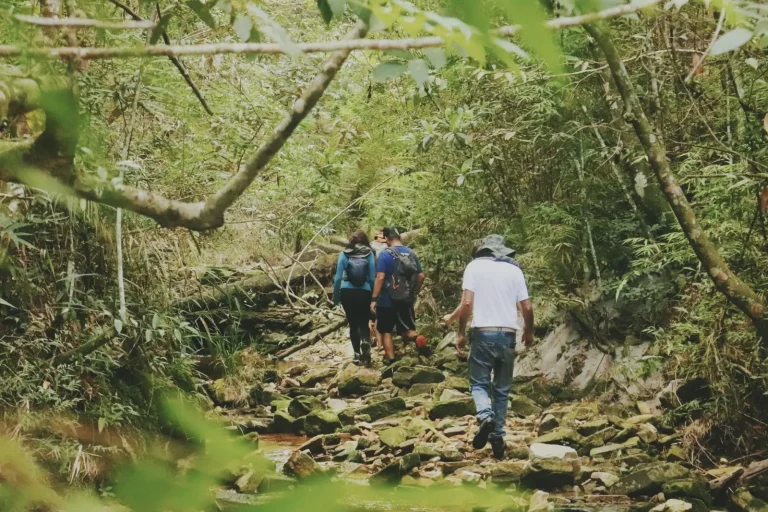
The forest around Point Lookout doesn’t present technical climbing or scrambling challenges, but it does demand consistent attention to foot placement. The combination of uneven ground, variable surface texture, and visual complexity requires more mental engagement than walking a maintained path. This creates fatigue that’s different from the muscular fatigue of climbing – it’s more about sustained concentration and proprioceptive adjustment. Most people find themselves moving slower through this forest than they would on comparable terrain elsewhere, and this isn’t necessarily a sign of poor fitness.
The humidity and canopy coverage affect physical exertion differently than open-air hiking. You don’t get the cooling benefit of wind, and the air feels heavier. Sweat doesn’t evaporate as efficiently, which can make even moderate-paced walking feel more strenuous than the actual elevation gain would suggest. Hydration needs tend to be underestimated in this environment – people often arrive thirsty without having realized how much fluid they’ve been losing.
Time estimation becomes a practical concern when exploring these trails. A distance that might take 45 minutes on a maintained path can easily require 70 or 80 minutes in the forest, depending on trail condition and your comfort level with uneven terrain. This compounds if you’re making route decisions on the fly or if you’re not familiar with the area. Daylight hours disappear faster than expected, particularly in the denser sections where the canopy reduces available light in the afternoon.
The forest around Point Lookout rewards slow, deliberate movement and familiarity. Each visit reveals details that previous trips missed – drainage patterns become more obvious, problem sections become predictable, and the forest’s overall structure becomes clearer. This isn’t terrain that punishes carelessness, but it does respond to attention and respect. Most people who spend time here develop a genuine relationship with the place, moving from generic forest exploration to understanding how this specific landscape actually works.