The escarpments of the Great Dividing Range present a particular kind of challenge that becomes apparent only when you’re actually moving through them. The dramatic elevation changes, dense vegetation, and unpredictable weather systems create conditions that differ significantly from what most travelers expect. After multiple visits to these areas – from the Lamington Plateau down through the Border Ranges and further north into Queensland’s wet tropics – certain patterns emerge that shape how you move through this landscape.
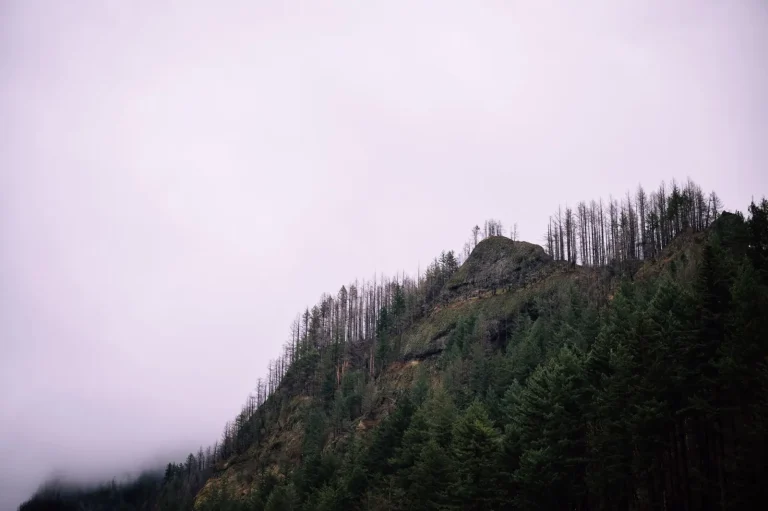
What strikes most people first is the abruptness of the transition. You’re walking through relatively open bushland or cleared farmland, and within a few kilometers, the forest canopy closes overhead and the ground becomes something altogether different. The soil changes from firm to spongy. The air becomes noticeably heavier. Visibility drops. This isn’t gradual. It’s a shift that happens over a single ridge line or a short descent, and it catches people off guard because the maps don’t really convey this intensity.
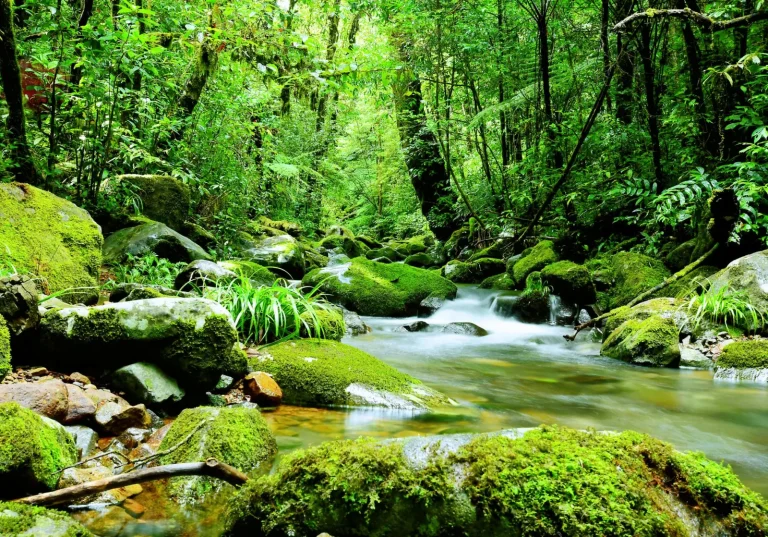
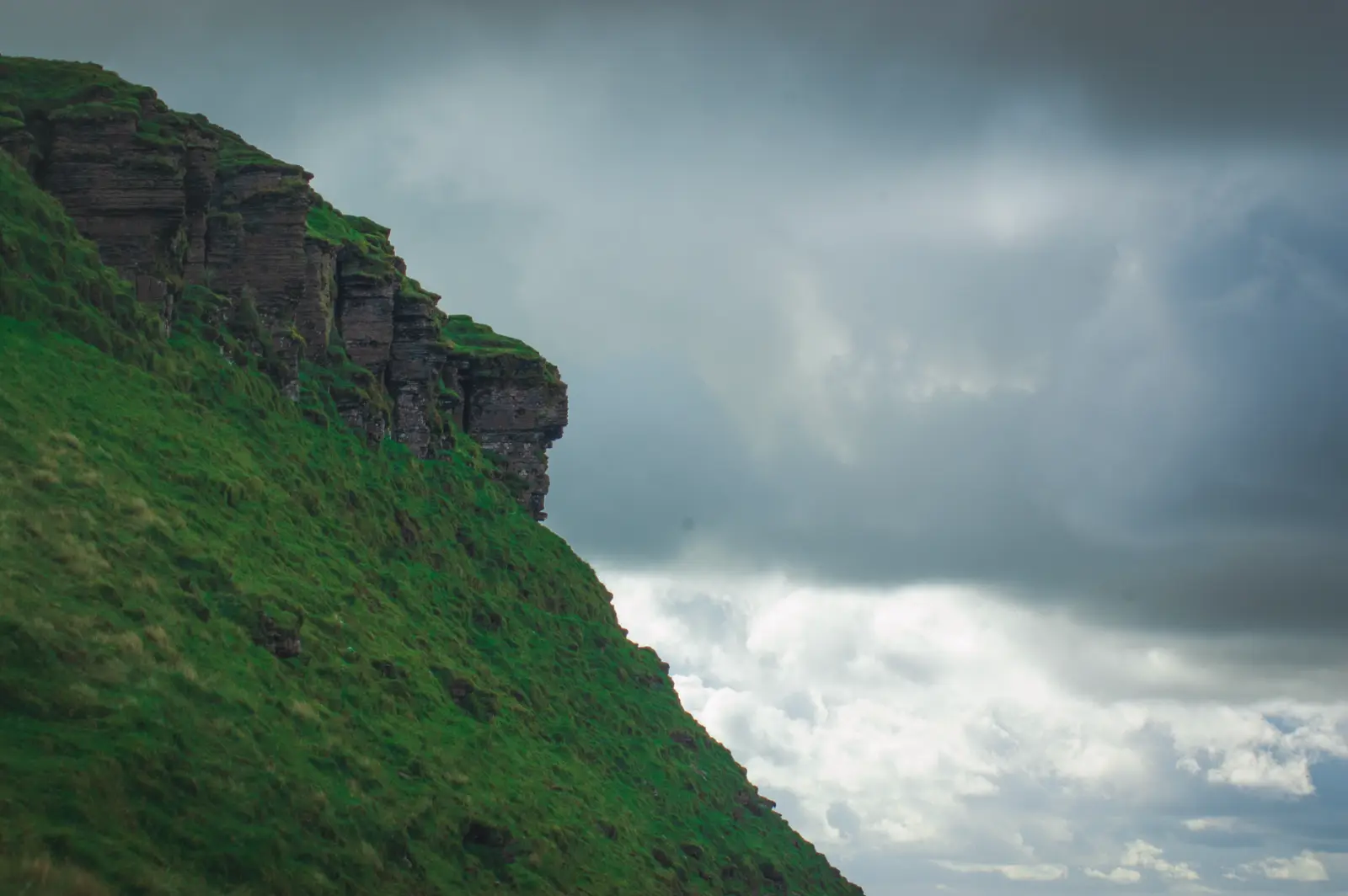
The escarpment itself – the steep face where the plateau drops away – creates its own microclimate. Cold air pools in the valleys below. Moisture accumulates. The forest grows denser here than on the plateau above or the lowlands below. Trees lean at angles that would seem impossible elsewhere, their roots gripping into thin soil and exposed rock. Ferns grow on top of ferns. Lichens and mosses cover everything. It’s visually striking, but it also means the terrain is genuinely slippery in ways that don’t always look obvious until you’re testing your footing.
Water, Weather, and Visibility
The water situation on these escarpments requires constant attention. Streams run year-round, which sounds convenient until you realize they’re often swollen and fast-moving, particularly after rain. The escarpment acts as a natural catchment – water drains down the steep slopes rapidly, and creeks that were ankle-deep yesterday can be chest-deep today. Crossing becomes genuinely risky, not because of depth alone but because of the force of the current and the slippery rocks beneath.
Visibility is the other constant factor. Cloud forms quickly in the afternoons, particularly during warmer months. The escarpment’s elevation and exposure mean you can go from clear skies to complete cloud cover in thirty minutes. When that happens, the forest becomes disorienting. Light levels drop significantly. Distances become impossible to judge. Landmarks vanish. Navigation by sight becomes unreliable, and relying on GPS alone in dense forest canopy is risky because signal is patchy at best. Most experienced people moving through these areas carry both map and compass, and they use them regularly, not just when obviously lost.
Rain here isn’t a minor inconvenience. The escarpment receives substantial rainfall – some sections get over 3000mm annually – and when it comes, it comes heavily. The ground absorbs water quickly, but the steep slopes mean water also runs off rapidly, turning trails into streams within minutes. Mud develops character in these conditions. It’s not just slippery; it’s actively adhesive. Boots become twice their normal weight. The physical effort required to move increases substantially. I’ve seen people underestimate this and find themselves exhausted far earlier than expected.
Practical Movement and Timing
Distance means something different on escarpment terrain. A 10-kilometer walk on flat ground takes roughly two hours for most people. The same distance on an escarpment, with significant elevation change and variable footing, takes four to five hours, and that’s assuming dry conditions and no navigation delays. Add wet conditions, and you’re looking at six to seven hours easily. The psychological impact of this is worth noting – people arrive tired in a way that’s different from lowland hiking. The constant attention required for footing, the steeper gradient, and the lower visibility all demand more mental energy, not just physical effort.
Starting early matters here more than in other environments. A 7am start gives you daylight until around 5:30pm during winter, which sounds like plenty until you’re still moving at 4pm and realize you have maybe ninety minutes of useful light left. The forest canopy makes dusk arrive earlier than it does in open country. Headlamps work, but moving through dense, wet forest with artificial light is slow and disorienting. Most people who know these areas prefer to be off the trails before dark, not because it’s technically impossible to move at night, but because the risk-to-reward ratio shifts unfavorably.
Accommodation and resupply logistics matter more here than they do in more accessible regions. The escarpment areas near Lamington and the Border Ranges have established trails and some basic facilities, but once you move into more remote sections, options narrow quickly. Campsites exist, but they’re often wet or exposed or both. If you’re planning multi-day travel, you need to understand water sources, safe camping locations, and exit routes. There’s no casual wandering in these areas – the terrain punishes poor planning more directly than it does elsewhere.
Flora and the Reality of Dense Forest
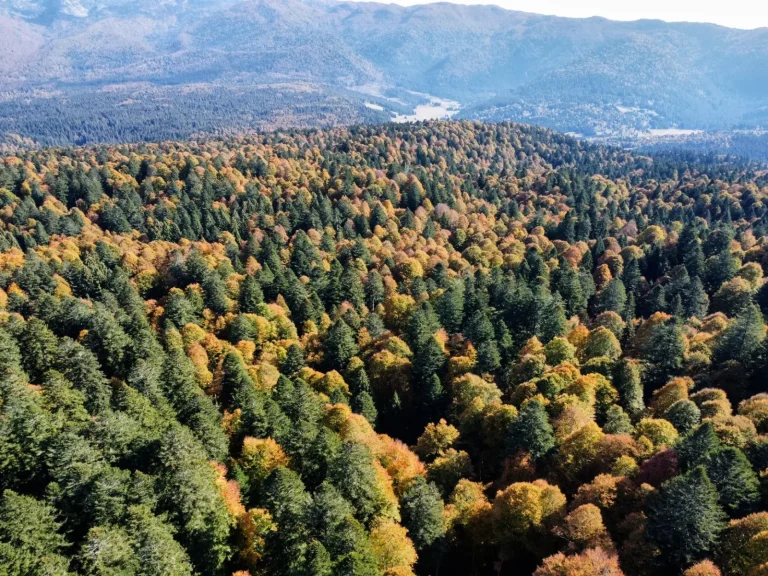
The vegetation itself creates navigation challenges that don’t appear in lowland rainforest. The canopy is so dense that GPS signals are unreliable. Trails can be marked, but overgrowth happens quickly, particularly after wet seasons. What was a clear path in June might be substantially obscured by September. Fallen trees across trails are common. Vegetation regrows into trail spaces faster than it does in drier forests. This means trail maintenance is ongoing work, and trails that haven’t been walked recently can become genuinely difficult to follow.
The plant life also includes things that slow movement – lawyer vines (wait-a-while), thorny scrub, and dense fern thickets that require pushing through rather than walking around. These aren’t major hazards in the sense of being dangerous, but they’re fatiguing. They require constant attention and physical effort. Combined with the steep terrain and the moisture, they contribute to the overall difficulty in ways that aren’t always obvious from descriptions or photos.
Insects and wildlife are present but generally not the dramatic obstacle they’re made out to be. Leeches appear after rain and can be annoying, particularly if you’re moving slowly through wet vegetation. Snakes exist in these forests, but encounters are rare and they’re typically more interested in moving away from humans than engaging. The real issue is often just the discomfort of wet conditions and the constant minor irritations that accumulate over hours of movement.
Seasonal Variation and Access Windows
The escarpments are genuinely different across seasons. Winter (June through August) offers the most reliable conditions – lower rainfall, clearer visibility, cooler temperatures that make sustained effort more manageable. Spring and early summer bring increased rainfall and higher humidity but also clearer visibility windows. Late summer and autumn can be unpredictable – cyclone season affects northern sections, and rainfall can be substantial. The trade-off is that winter can bring cold temperatures, particularly at elevation, and frost is possible on the higher plateaus.
Access itself varies by location. Some escarpment areas are well-serviced with marked trails, accommodation, and regular maintenance. Others require navigation skills and self-sufficiency. The Border Ranges National Park has established infrastructure. Moving further north into the Lamington Plateau area offers more options. But venture into less-traveled sections, and you’re operating in terrain where conditions are less predictable and support is further away.
What emerges from repeated exposure to these escarpments is a sense of respect for the terrain’s consistency. It doesn’t change dramatically, but it doesn’t forgive inattention either. The difficulty is steady rather than extreme. The hazards are manageable but real. The landscape rewards preparation and experience while punishing assumptions. For travelers accustomed to more accessible mountain regions, the escarpment environment requires recalibration – not of courage, but of pace, timing, and realistic assessment of what the terrain actually demands.