Border Ranges National Park sits on the New South Wales and Queensland border, and the rainforest there operates on a different rhythm than most people expect. The subtropical canopy is dense enough that you lose track of time, and the animal activity patterns don’t follow the neat schedules you might read about elsewhere. After spending considerable time moving through these forests, I’ve learned that seeing wildlife here depends far more on understanding the habitat’s micro-rhythms than on luck or timing alone.
The park’s rainforest isn’t uniform. There are pockets of closed canopy where the understory stays dim and moist year-round, patches of open forest where light reaches the ground, and transitional zones where eucalypts mix with subtropical species. Each zone hosts different animals, and they move between them depending on what’s fruiting, what’s breeding, and what the temperature is doing. The birds you encounter in one section might be completely absent fifty meters away, not because they’ve migrated but because the food source or shelter structure changed.
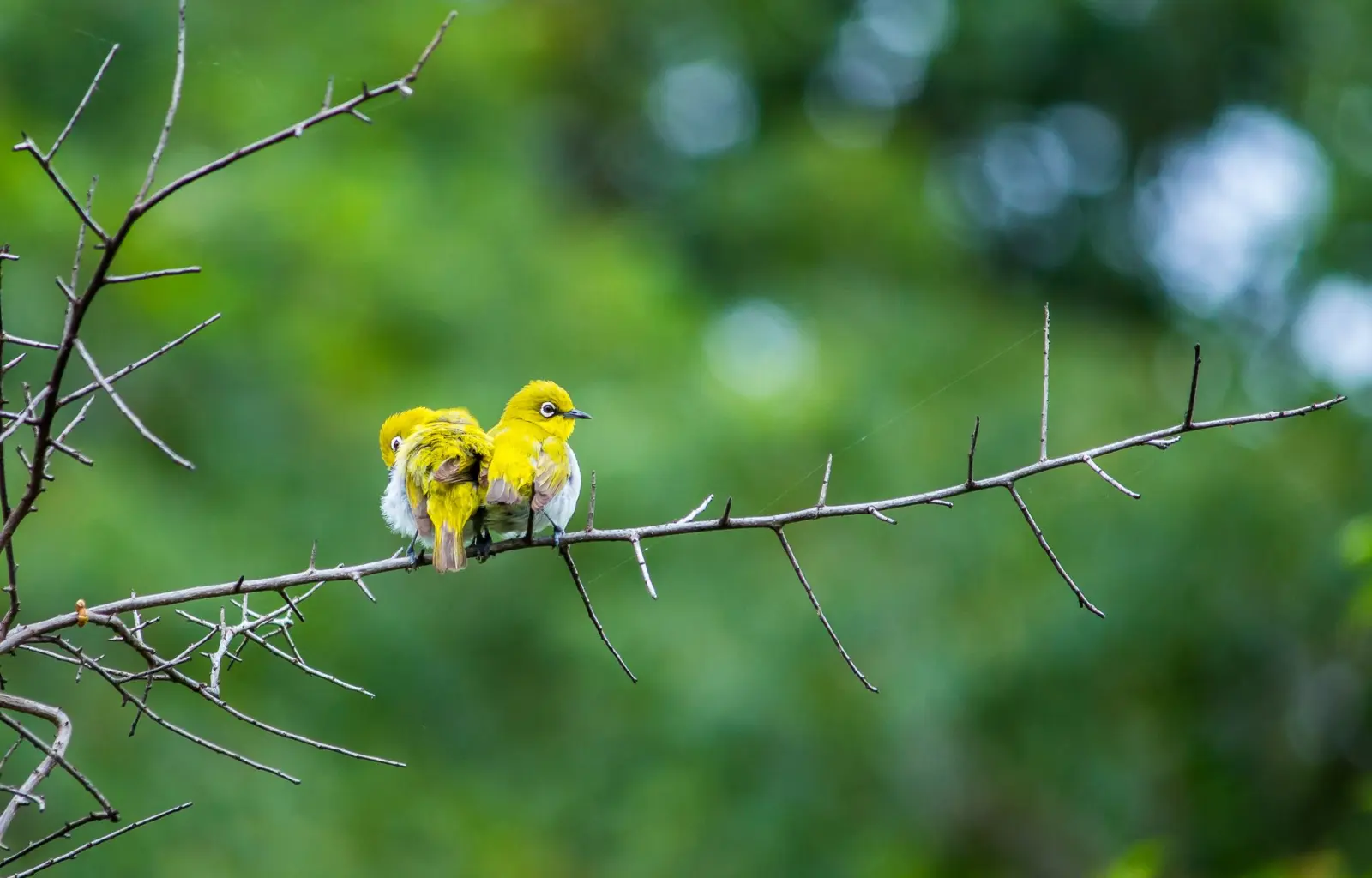
Birdlife is the most obvious wildlife presence, and it’s also where most visitors get disappointed. The park holds significant numbers of species – lyrebirds, regent bowerbirds, various honeyeaters, and smaller passerines – but seeing them requires patience and stillness. The common mistake is moving too quickly through the forest expecting birds to appear. They’re there, but they’re watching you before you see them. Early morning produces more activity, though not because birds are more active then – they’re active throughout the day. Morning is simply when the light is better and the forest is quieter, which means you’re more likely to notice them.
The Reptile Layer Most People Miss
Snakes, skinks, and other reptiles occupy a visibility tier that sits between the obvious birds and the hidden invertebrates. You’ll encounter them more often than you’d expect, but usually by accident – a python draped across a branch at head height, a large skink moving through leaf litter, a carpet snake in the understory. The subtropical climate here supports a healthy reptile population, and they’re active during warmer months. The key thing people don’t understand is that most reptiles aren’t aggressive or interested in humans. They’re far more concerned with thermoregulation and finding food. A snake on a warm rock isn’t a threat; it’s just managing its body temperature.
Pythons are present throughout the park, and they’re genuinely impressive animals. The carpet python is the most commonly encountered species, and they can reach substantial size. They’re also relatively tolerant of human presence, which means you might observe one for several minutes without it fleeing. Red-bellied black snakes appear in wetter areas, and they’re faster-moving and more skittish. The presence of these predators indicates a healthy rodent population, which in turn reflects the forest’s overall condition.
Mammals: Present but Elusive
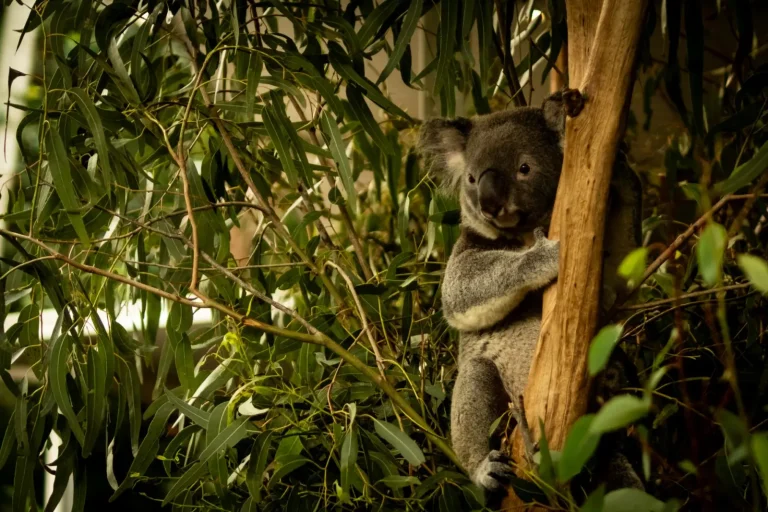
Mammals are where the real difficulty lies. The park holds possums, gliders, bandicoots, and other small to medium-sized mammals, but seeing them requires either night work or considerable luck. Brushtail possums are common enough that you’ll hear them – that distinctive heavy rustling in the canopy at dusk – but actually observing one is another matter. Sugar gliders are present in good numbers, but they’re nocturnal and move through the upper canopy, so most visitors never encounter them.
Larger mammals like wallabies do occur in the park, particularly in more open forest areas and along forest margins. They’re more active in early morning and late afternoon, and they’re far more wary than their counterparts in other regions. The forest here doesn’t encourage the kind of open grazing behavior you see in drier areas, so wallabies move through quickly and tend to stay in cover. Spotting one is genuinely noteworthy, not because they’re rare but because the habitat makes encounters uncommon.
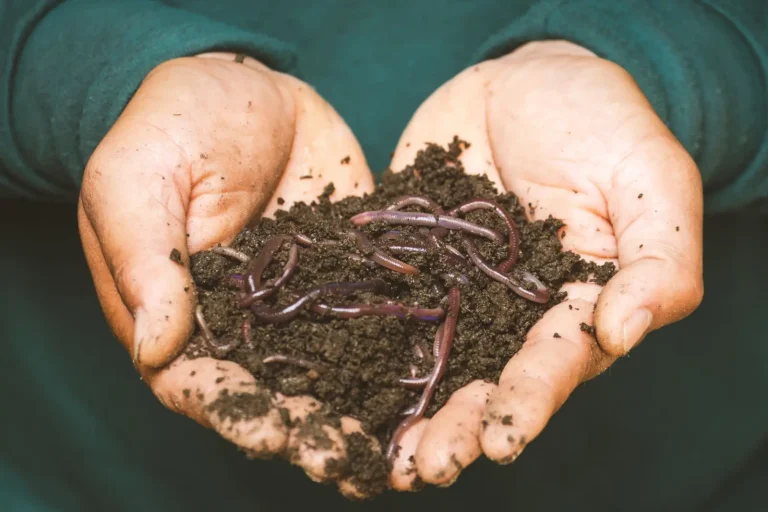
The invertebrate fauna is genuinely extraordinary, though it’s almost entirely overlooked. Insects, spiders, and other arthropods form the functional foundation of the rainforest ecosystem. The diversity is staggering – beetles alone represent hundreds of species. Butterflies are visible and relatively easy to observe, particularly in sunlit clearings and along forest edges. Stick insects, mantids, and various other insects are present in significant numbers. The challenge isn’t finding them; it’s knowing what you’re looking at and understanding their ecological role.
Seasonal Shifts and Fruiting Patterns
Wildlife distribution in Border Ranges shifts noticeably with fruiting cycles. When fig trees, native plums, and other mast-fruiting species are productive, animals concentrate in those areas. Birds become more visible because they’re predictably located. Possums and gliders move into fruiting zones. This seasonal predictability is something many visitors miss entirely. If you visit during a lean fruiting period, wildlife appears scarce. Return during peak fruiting, and the same forest feels alive with activity.
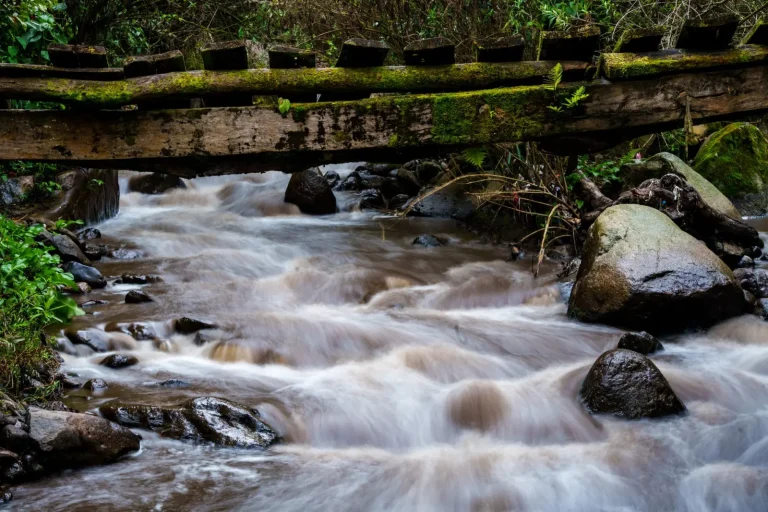
Water availability also drives animal movement, though this is less obvious than fruiting patterns. During drier periods, animals concentrate around permanent water sources. Streams and seepage areas become focal points for activity. Understanding this means knowing where to look and when to look there. A seemingly empty forest section suddenly makes sense when you recognize that the animals are all positioned near the nearest reliable water.
The subtropical climate creates distinct seasonal patterns that influence breeding cycles and activity levels. Spring and early summer see increased breeding activity across most species. This translates to more visible behavior – territorial displays, nesting activity, juveniles learning to forage. Late summer and autumn bring different patterns as animals prepare for cooler months. Winter in the subtropical rainforest isn’t harsh, but it is cooler and drier, which affects activity levels and visibility.
What Actually Happens When You’re Out There
Real rainforest time involves long periods of quiet observation interrupted by brief moments of intense activity. You might walk for an hour seeing nothing obvious, then encounter three different species in ten minutes. This isn’t randomness; it reflects the actual distribution and behavior of forest animals. They’re not uniformly spread through the forest. They’re concentrated in specific microhabitats based on food, shelter, and breeding requirements.
Fatigue is a real factor that affects wildlife observation. The rainforest is humid and physically demanding. Walking through dense understory requires constant attention to footing and branches. After several hours, your observation capacity drops significantly. This is why early morning visits often produce better results – you’re fresher, your senses are sharper, and you’re more likely to notice subtle movements and sounds.
Sound becomes increasingly important as you spend more time in the forest. The soundscape tells you what’s happening before you see anything. Different bird calls indicate different species and different activities. Rustling in the canopy suggests possums or gliders. Leaf litter disturbance indicates ground-feeding birds or small mammals. Learning to interpret these sounds takes time, but it dramatically improves your ability to locate and understand wildlife behavior.
Border Ranges rainforest wildlife is abundant and diverse, but it operates on the forest’s terms, not on visitor expectations. The animals are there, doing what they do, regardless of whether anyone is watching. Seeing them requires understanding the habitat, respecting the forest’s rhythms, and accepting that much of the most important wildlife activity happens in ways that aren’t immediately visible to a casual observer.