
After spending considerable time walking creek systems across New South Wales rainforests, I’ve noticed that the gap between what people expect and what they actually experience on these walks is often larger than it needs to be. The marketing tends to emphasize the scenery – the ferns, the water, the sense of remoteness – but rarely addresses the practical reality of moving through a rainforest creek environment for several hours. This matters because creek walks demand different preparation and mindset than ridge trails or open forest loops.
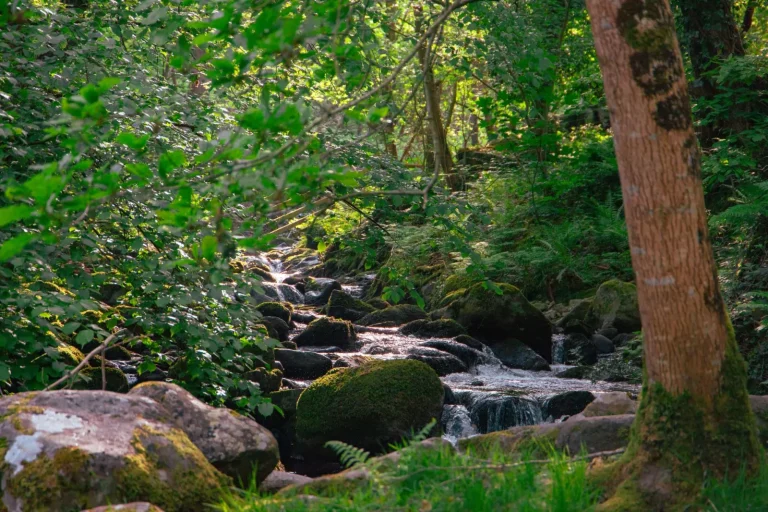
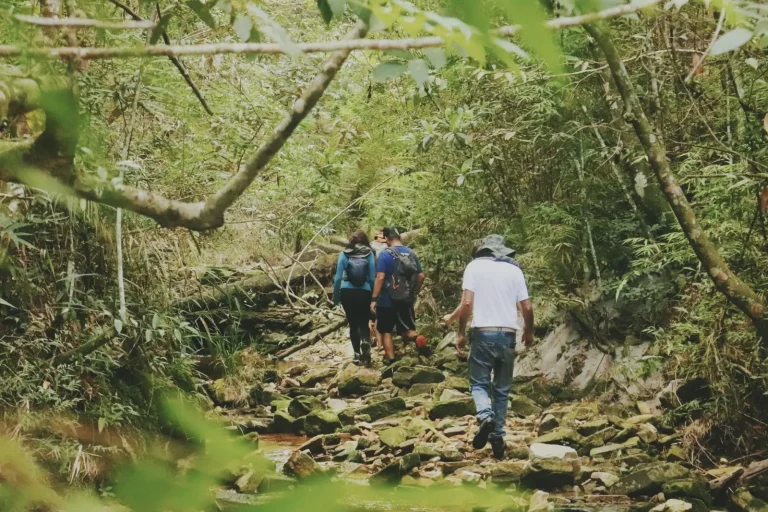
The reason creek walks feel different comes down to terrain and water. You’re not following a maintained track for most of the journey. You’re moving along creek beds, over rocks that shift under wet boots, through sections where the water itself becomes the path. The footing is unpredictable. Your pace slows considerably. Fatigue accumulates differently than on conventional trails because you’re constantly micro-adjusting balance and engaging smaller stabilizer muscles. This isn’t a complaint – it’s simply how these walks function. Understanding this upfront changes how you approach them.
Minyon Falls and the Nightcap Range
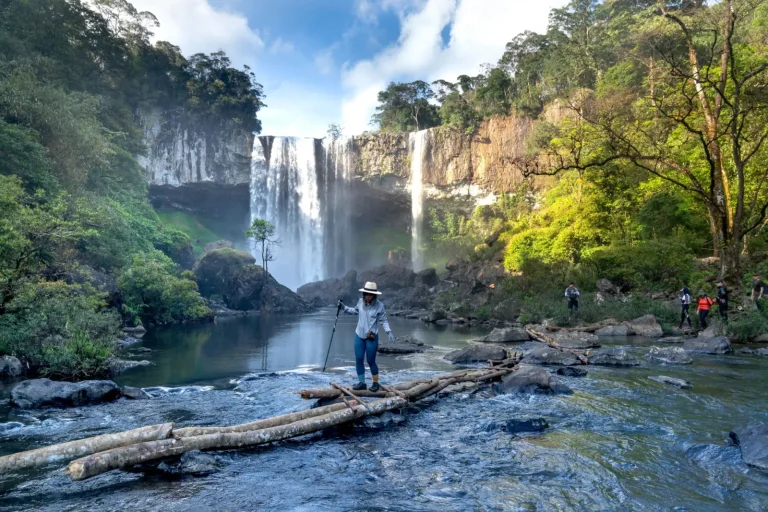
The walk to Minyon Falls via Protesters Falls Creek is one of the most genuinely rewarding creek walks in the state, though it requires more commitment than the standard day-walk narrative suggests. The route descends roughly 600 meters into a subtropical rainforest gorge, following the creek for much of the way. The waterfall itself is substantial – a 100-meter drop into a pool – and the surrounding vegetation is dense and genuinely impressive.
What strikes me most about this walk is how the landscape changes as you descend. The upper sections move through open eucalypt forest before the rainforest takes over completely. The creek presence becomes more pronounced, more authoritative. By the time you reach the falls, you’ve moved through several distinct ecological zones. The walk is approximately 10 kilometers return, but the descent and ascent, combined with creek scrambling, means most people take five to six hours total. Attempting it as a casual three-hour outing leads to rushed movement and poor decision-making on the return climb.
The main practical issue with Minyon Falls is that the final ascent out is steep and relentless. After spending hours in the creek environment – which is cool and often wet – you’re suddenly climbing steeply in warmer air. Fatigue becomes very apparent. I’ve seen fit walkers struggle on this section simply because they underestimated the cumulative effect of the descent and the creek work. Starting early matters significantly here. A 7 a.m. start feels different than a 9 a.m. start by the time you’re climbing out in mid-afternoon.
Coffs Harbour Region Creeks
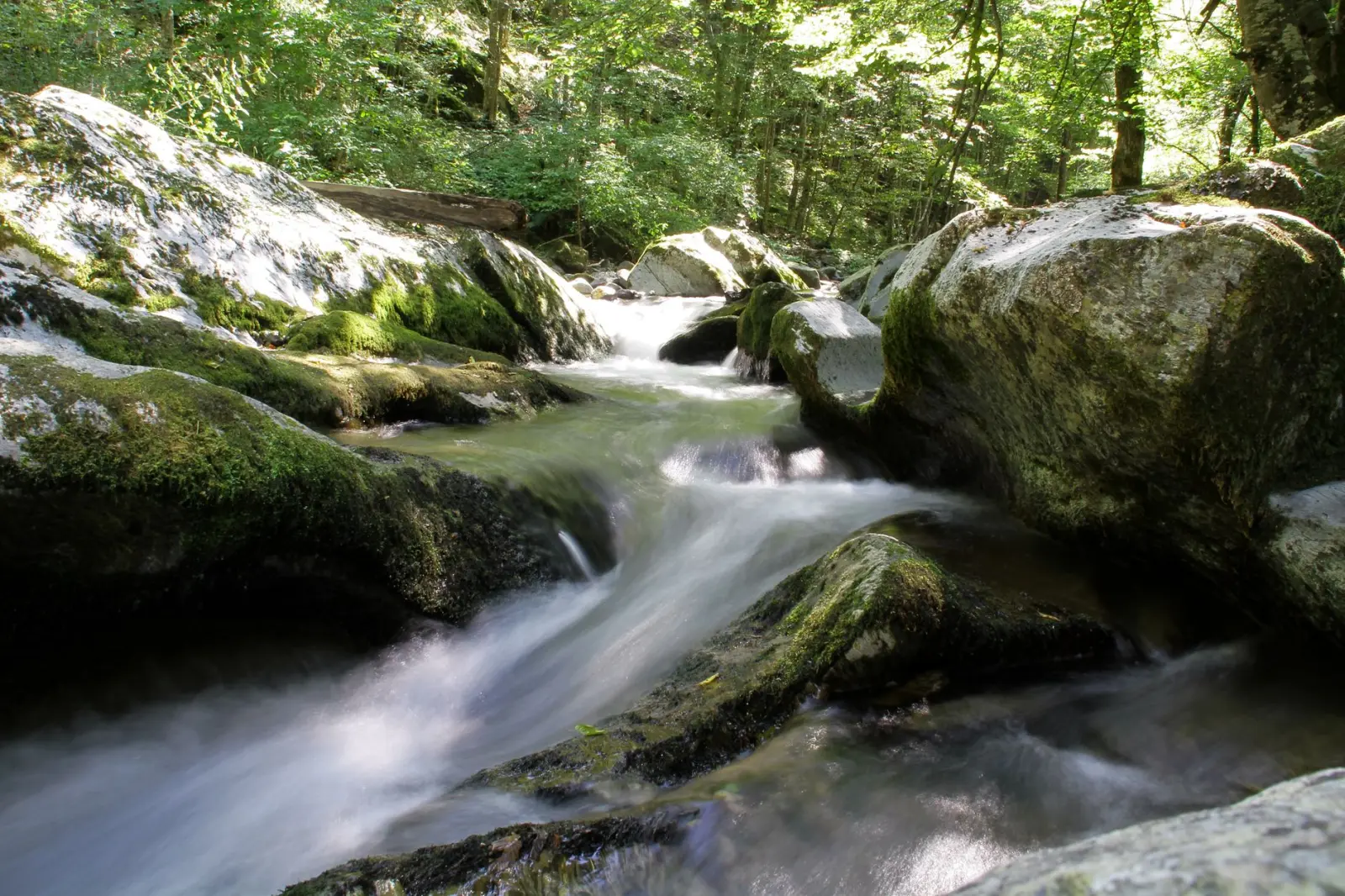
The creeks around Coffs Harbour – particularly those in the Dorrigo National Park area – offer something different from the dramatic gorge walks. These are gentler, more accessible, but they still demand respect for water and terrain. Never Fail Creek is a good example. It’s shorter than Minyon Falls, more forgiving, but the creek walking itself is genuine. You’re in water regularly, navigating around boulders, reading the flow to find safe passage.
What I’ve observed with these mid-range walks is that they suit people who want the creek experience without committing to a full day of sustained climbing. They’re also less crowded than the famous gorge walks, which changes the experience considerably. You move through the rainforest with fewer people, which means you notice more – the sound of the water, the specific bird calls, the way light filters through the canopy. Crowding doesn’t just affect social experience; it affects how you can actually perceive the place.
Kanangra-Boyd and the Southern Highlands
Kanangra Creek and the surrounding plateau offers creek walking in a different context – higher elevation, cooler water, different vegetation. The walk to Kanangra Falls involves creek work but also open sections on the plateau. It’s a hybrid experience rather than a full creek immersion. The creek sections are shorter and less sustained than what you’d encounter at Minyon, but the overall walk is longer and the elevation changes are significant.
The practical consideration here is weather exposure. The plateau sections leave you exposed to wind and weather in ways that the gorge walks don’t. I’ve seen conditions change rapidly on the plateau, and walkers who were prepared for a warm day in the creek suddenly facing cold wind on the open sections. This walk requires more flexible clothing choices and weather awareness than some of the coastal rainforest options.
What Actually Separates Good Creek Walks from Disappointing Ones
Over time, I’ve noticed that the walks that deliver consistently are those where the creek environment is substantial and sustained – not just a brief section before you climb out. Minyon Falls works because you spend significant time in the creek. Walks that promise “creek swimming” or “waterfall pools” but involve mostly track walking to reach them tend to underwhelm once you’re actually there.
Seasonal variation matters more with creek walks than with regular trails. After heavy rain, creek sections become more challenging and potentially hazardous. Low water periods make some walks feel less immersive – the creek becomes a minor feature rather than the dominant element. Spring and early summer tend to be the sweet spot in NSW, when water levels are reasonable but not dangerously high.
The physical demand of creek walking is also often underestimated. It’s not just about distance or elevation gain. The constant balance work, the irregular footing, the need to watch where you’re placing each foot – this creates a different kind of fatigue than hiking a regular trail. People who are fit for long-distance walking sometimes find themselves surprisingly tired on creek walks because the muscle engagement is different.
Footwear deserves mention because it genuinely affects the experience. Regular hiking boots can work, but approach shoes or trail runners with good grip tend to perform better on wet rocks. Your feet will get wet – this is inevitable and not something to resist. The question is whether you’re wearing something that drains and dries reasonably quickly. Neoprene socks are worth considering if you’re sensitive to cold water.
The best creek walks in NSW share a common thread: they commit fully to the creek environment rather than treating it as a minor feature on the way to something else. They demand time, attention, and realistic preparation. They’re not difficult in the technical climbing sense, but they’re physically demanding in ways that a distance or elevation number alone won’t convey. If you approach them with that understanding, they deliver something genuine that other walks don’t quite match.