Sea Acres sits on the Norfolk coast as a modest but genuinely complex woodland reserve. Most people arrive expecting a straightforward seaside stroll, then encounter something altogether different once they move past the car park and into the actual forest. The woodland here isn’t a managed park with manicured paths – it’s a working natural space where the terrain, vegetation, and seasonal conditions actively shape what you can and cannot do on any given day.
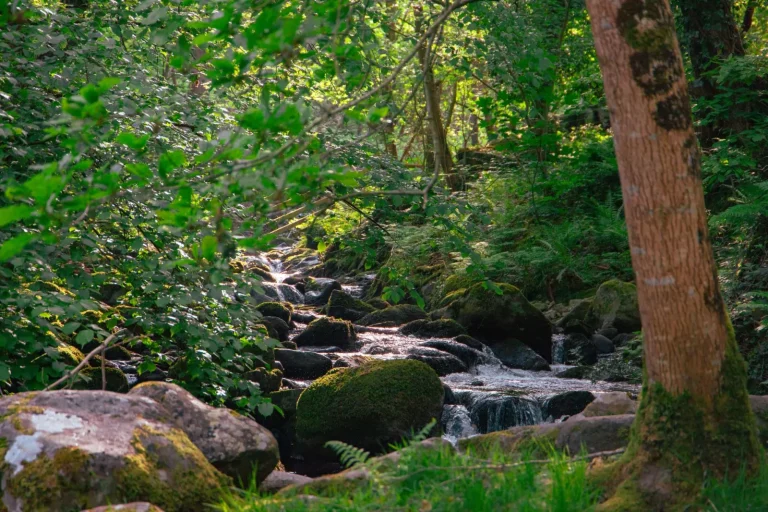
The forest floor changes character depending on when you visit. Spring and early summer bring soft ground, often waterlogged in the lower sections where drainage naturally pools. Autumn brings a thick carpet of leaf litter that masks roots and uneven surfaces, creating a deceptively treacherous walking experience. Winter can be slippery, though not typically frozen enough to warrant specialist footwear. The paths themselves are well-defined in most areas, but they’re narrow – sometimes barely wide enough for two people to pass – and they wind through dense canopy that limits your sightlines ahead.
The Reality of Navigation and Path Clarity
Signposting at Sea Acres is adequate rather than generous. The main trails are marked, but secondary routes and connecting paths can feel ambiguous, especially if you’re trying to piece together a longer loop. The forest canopy is thick enough that GPS signals can be unreliable in places, and phone coverage drops entirely in the deeper sections. This matters less if you’re sticking to the primary routes, but it becomes relevant if you’re exploring the quieter edges or trying to navigate by map alone.
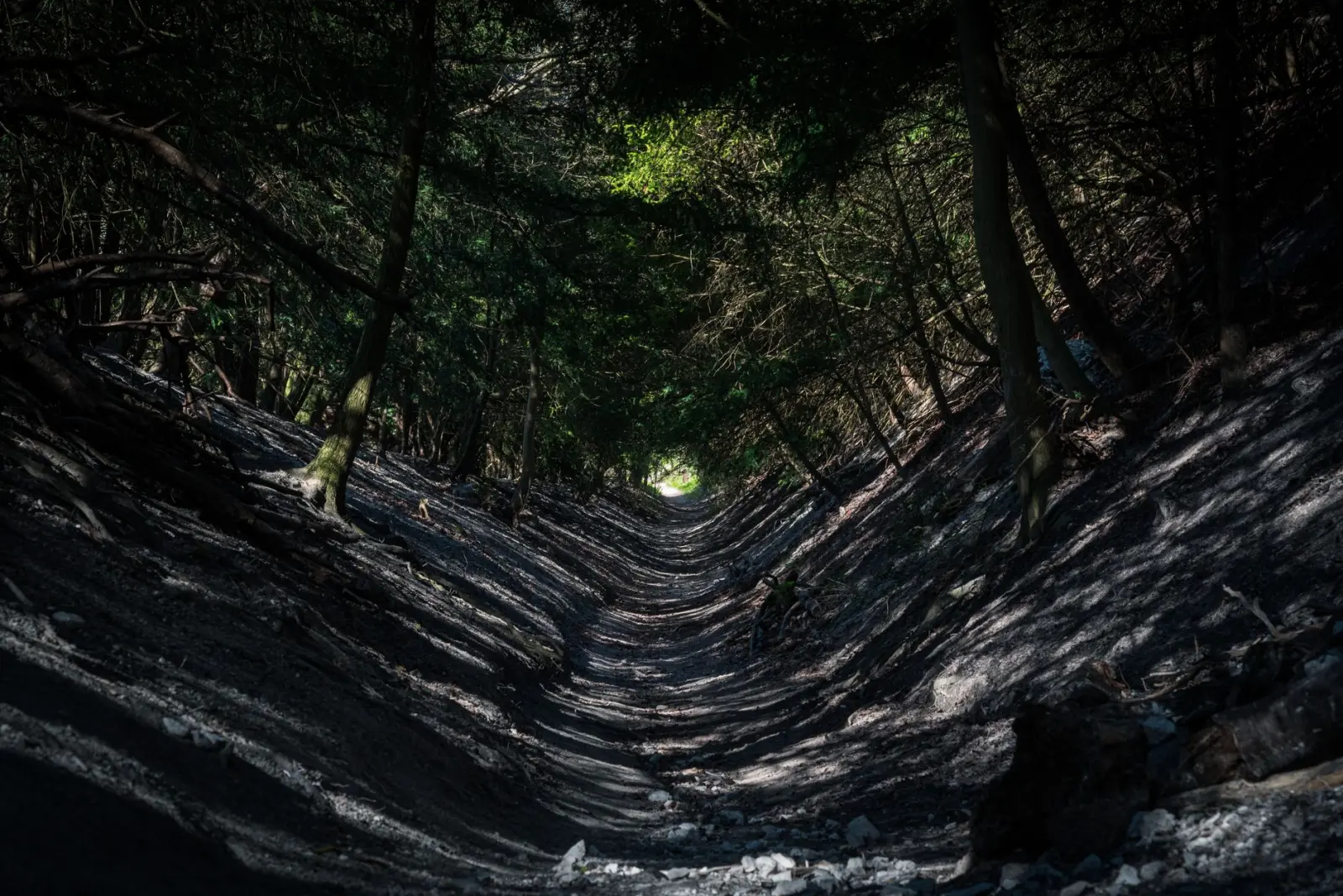
What catches most visitors is the density of the woodland itself. The trees are mature and closely planted, which creates a cathedral-like quality that many find appealing, but it also means the forest feels enclosed. You lose the sense of direction you’d have in more open terrain. The coastal views that draw people to this reserve are only available at specific points – mainly the cliff-top sections – and you have to actively work to reach them. The walk to the sea isn’t a simple descent; it involves navigating through the forest first, then a steeper drop at the end.
Physical Demands and Fatigue Patterns
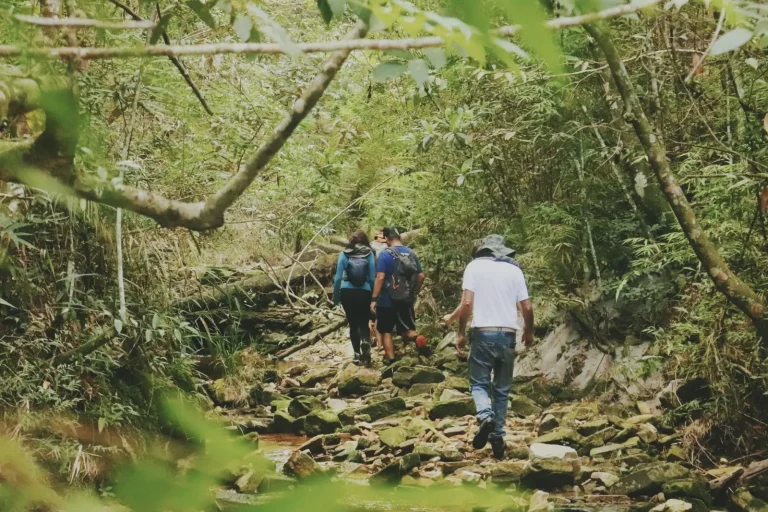
The terrain isn’t mountainous, but it’s undulating enough to be deceptive. Visitors often underestimate the cumulative effect of dozens of small elevation changes over a few kilometers. The paths climb and dip repeatedly, which exhausts the legs differently than a single sustained climb would. Combined with the uneven ground – roots, rocks, and occasional boggy patches – your pace naturally slows. A route that looks like a casual two-kilometer walk on paper can take considerably longer in practice.
The narrow paths also affect how you walk. You can’t establish a rhythm the way you might on a wider trail. You’re constantly adjusting your footing, watching for roots, and managing your balance on sloped sections. This mental engagement, though not strenuous, adds to fatigue over time. By the middle of a two-hour walk, most people feel noticeably more tired than they expected.
Seasonal Variations That Matter
Spring brings mud. The winter drainage hasn’t fully dried, and the paths become slick and sticky. Waterproof footwear is essential, not optional. Summer is the most accessible season – the ground is firmer, and the longer daylight gives you flexibility with timing. Autumn offers the best visibility through the canopy due to leaf fall, but the leaf litter itself creates hazards. Winter is quieter and the forest feels different, but wet conditions persist, and shorter daylight means you need to plan your timing carefully.
The wildlife activity also shifts with seasons. Spring and early summer bring active bird populations, which can be rewarding if you’re interested in that, but the insect life increases too. Midges and small flies can be persistent in June and July, particularly in still, damp areas. This isn’t a major issue, but it’s worth noting if you’re sensitive to insect bites or if you’re planning a longer, stationary visit.
What Works and What Doesn’t
Proper footwear matters more than most people assume. The ground is frequently damp, and the roots create genuine tripping hazards. Trail shoes with decent grip and ankle support are worthwhile. Trainers work in dry conditions, but they’re inadequate for most of the year. Waterproof jackets are useful even when rain isn’t forecast – the dense canopy drips for hours after any precipitation, and the humidity can be surprisingly high.
A map or a clear mental picture of the route is genuinely helpful. The signposting works, but it’s easy to second-guess yourself at junctions. Many people end up walking longer than intended simply because they’ve taken a wrong turn and don’t realize it until they’ve gone several hundred meters further. Downloading an offline map on your phone before you arrive removes this friction entirely.
The reserve has a visitor center with facilities, which is useful if you’re planning a longer visit or if you have children. The main car park is reasonably sized, though it fills on weekends and during school holidays. Arriving early or visiting on weekdays gives you a noticeably quieter experience and better parking. The forest feels quite different when you’re not navigating around other groups of walkers.
Most people spend between one and a half to three hours in the forest, depending on their pace and how much they stop to observe wildlife or take in the coastal views. A full loop that includes the cliff-top sections and the lower woodland paths is achievable in an afternoon, but it requires steady pacing and reasonable fitness. The reserve isn’t demanding in the mountaineering sense, but it’s not a casual stroll either.
The forest around Sea Acres rewards a measured approach. It’s not the kind of place where you can zone out and let your feet carry you – the terrain demands attention, and the navigation requires at least basic awareness. That engagement is actually part of what makes it worthwhile. You’re not simply passing through a landscape; you’re actively moving through it, which tends to make the experience more memorable than a simpler walk would be.