The rainforest around Port Macquarie sits in a peculiar zone. It’s not the dense, overwhelming subtropical jungle you find further north, and it’s not the open eucalyptus bushland that dominates inland. What you get instead is a pocket of temperate rainforest that feels genuinely different from the surrounding landscape, and that difference is what makes walking here worthwhile. I’ve done most of the established tracks in this region multiple times over the past decade, and the experience changes depending on season, recent weather, and how much foot traffic has passed through in the preceding weeks.
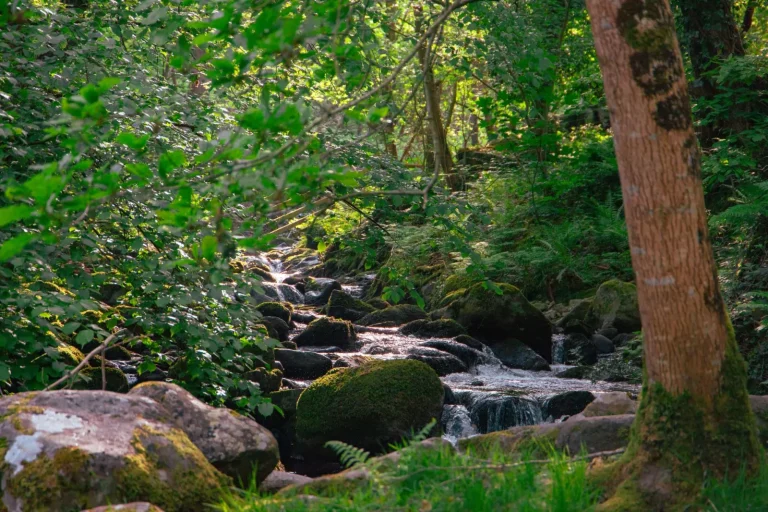
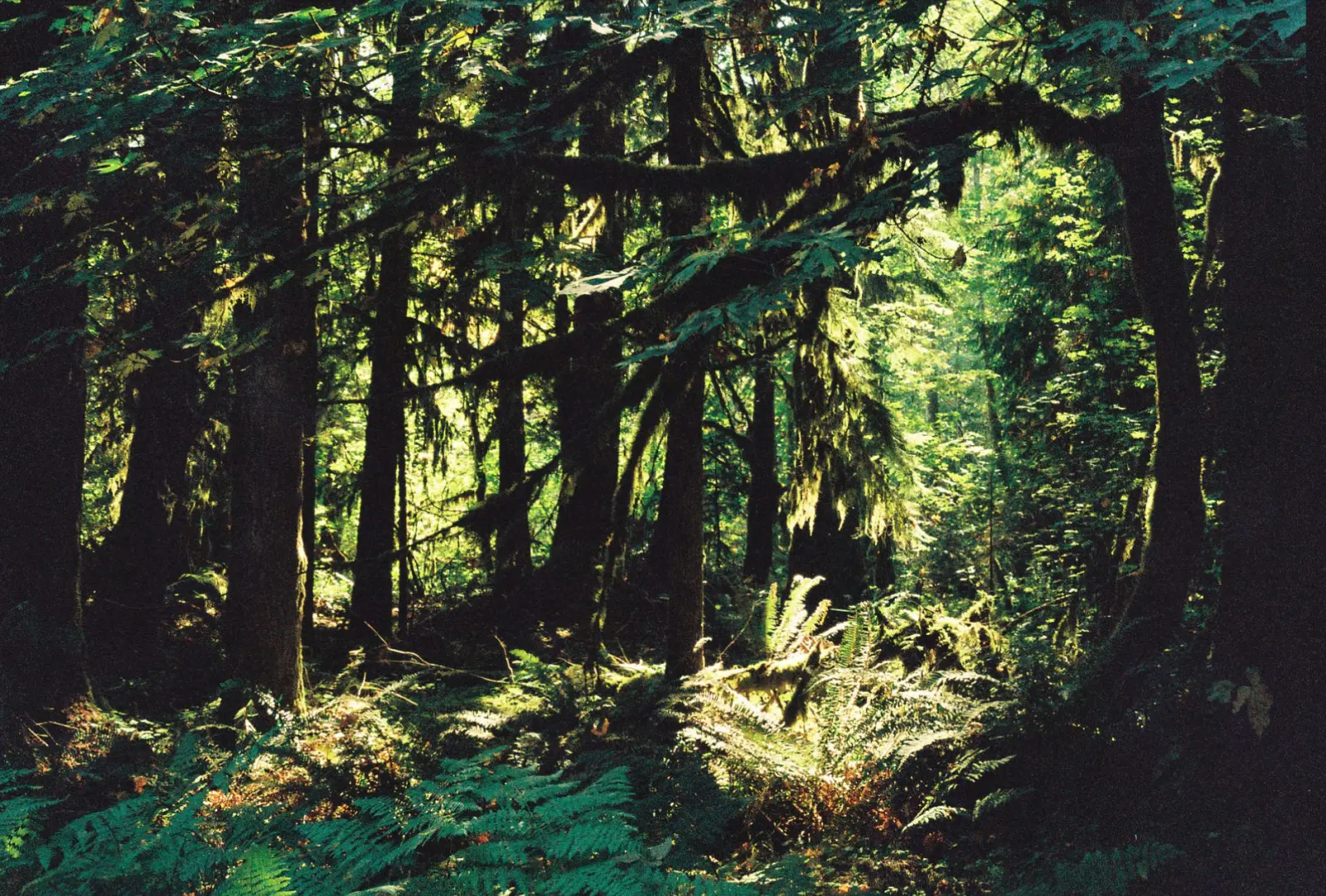
The immediate thing you notice when you arrive at any of these walks is the moisture. Even on days when the coastal strip feels dry, the forest floor holds dampness. This affects everything – your footing, how quickly fatigue sets in, the visibility of the track itself. It also means the forest smells alive in a way that’s distinct from other Australian bushland. Ferns dominate the understory, and the canopy is thick enough that you’re rarely in direct sun for more than a few seconds at a time.
Ellenborough Falls and the Surrounding Network
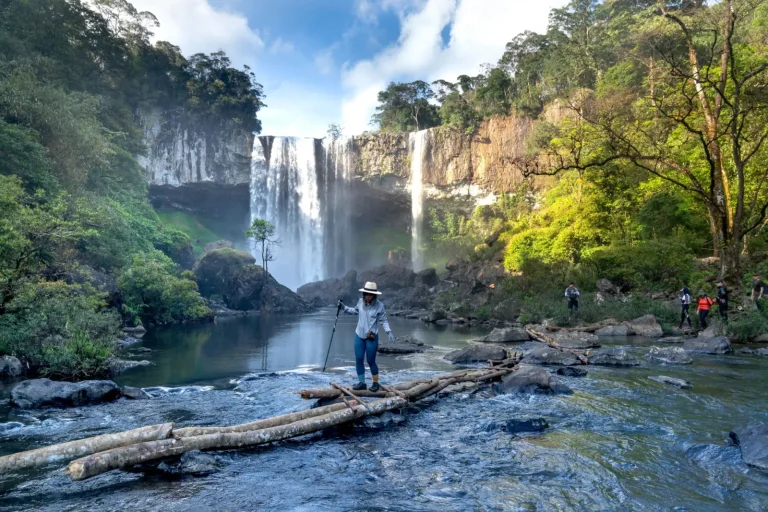
Ellenborough Falls is the obvious starting point for anyone new to rainforest walking in this region. The main track to the falls themselves is roughly 2.5 kilometres return, and it descends steadily into a gully where a 80-metre waterfall drops into a pool. The walk is well-maintained and the gradient is manageable for most fitness levels, though the descent is steeper than many people anticipate when they set out. What tends to surprise visitors is how much the track deteriorates in the final 500 metres before the falls. The soil becomes softer, roots become more prominent, and the risk of a twisted ankle increases noticeably.
The real value of Ellenborough, however, lies in the broader track network that branches off from the main circuit. The Brush Box Loop extends the experience and takes you through different forest composition. Where the main falls track is fern-dominated, the loop section passes through areas with larger eucalypts mixed into the rainforest canopy. This shift in vegetation affects the light, the temperature, and the overall atmosphere. The loop adds roughly another 3 kilometres, and the additional time is worth it if you have the energy. Most people underestimate how much the soft forest floor absorbs your effort – a 5-kilometre walk here feels more demanding than the same distance on harder ground elsewhere.
Kattang Nature Reserve and Its Practical Limitations
Kattang sits about 15 kilometres south of Port Macquarie and offers a different experience from Ellenborough. The main walking track here is shorter – around 3 kilometres for a reasonable loop – but the forest is denser and the canopy lower. This reserve tends to be quieter than Ellenborough, which has its advantages and disadvantages. Fewer people means less track erosion and a more immersive forest experience. It also means fewer people around if something goes wrong, so it’s worth being more cautious about timing and letting someone know where you are.
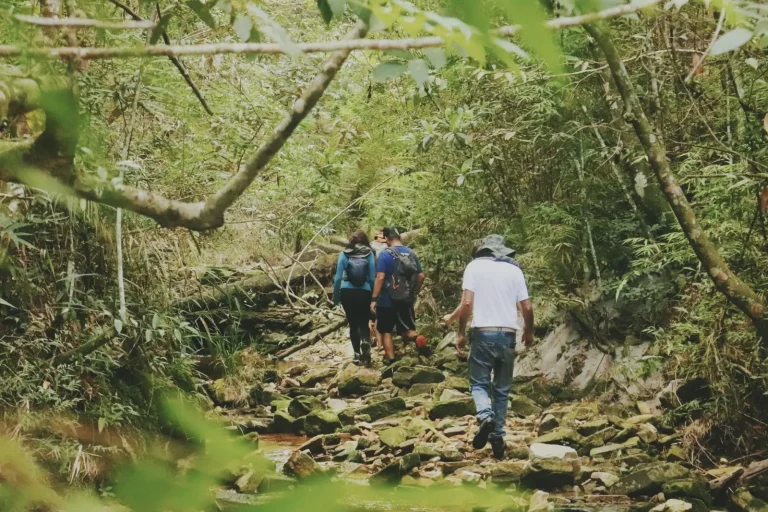
The track condition at Kattang varies more dramatically with rainfall. After heavy rain, sections become genuinely boggy, and the soft ground makes forward progress slower. I’ve seen people turn back here not because of difficulty but simply because they underestimated how much energy the terrain demands. The forest floor is often wet even when it hasn’t rained recently, so waterproof walking boots are genuinely useful rather than optional. The upside is that the moisture supports a richer fern population and more bird activity, particularly in early morning.
Hastings Coastal Walk and the Forest Fringe
The Hastings Coastal Walk is less of a rainforest experience than the others on this list, but it includes significant sections that pass through or alongside patches of subtropical rainforest. The walk itself stretches roughly 10 kilometres one way, connecting Lighthouse Beach to Shelly Beach, and the appeal is in the variety. You move between open coastal sections, eucalyptus woodland, and brief rainforest pockets. This variation means the walk doesn’t feel monotonous, but it also means you don’t get the full immersion of a dedicated rainforest track.
The practical advantage of the Hastings walk is that it’s more flexible. You can do sections of it rather than committing to a full circuit, and the coastal views provide psychological relief if the forest starts to feel claustrophobic. The disadvantage is that the rainforest sections feel interrupted rather than continuous, so if you’re specifically after a deep forest experience, this walk is more of a supplement than a primary option. The track is also more exposed to sun in the open sections, so timing matters more here than on fully shaded forest walks.
Timing, Seasons, and What Actually Changes
The best time to walk these tracks is roughly April through September. Winter in this region is mild – temperatures rarely drop below 10 degrees Celsius – but the shorter daylight hours mean you need to start early. Spring and autumn are ideal because the temperature is comfortable and daylight is sufficient for a leisurely pace. Summer brings heat and humidity that combine unpleasantly in the forest. The canopy provides shade, but the humidity makes exertion feel heavier, and the risk of dehydration increases even though you don’t feel as thirsty.
Rainfall changes the experience significantly. After sustained rain, the forest is at its most lush and the waterfalls are impressive, but the tracks become slippery and slower to navigate. A few days after rain is often the sweet spot – the ground has drained enough to be reasonably firm, but the forest is still visibly energized. The ferns are at their brightest, and the light filtering through the canopy has a particular quality that’s hard to describe but noticeable once you’ve seen it a few times.
Midweek visits tend to be quieter than weekends, which matters if you’re seeking solitude or if you prefer not to navigate around other walkers. The tracks themselves don’t become dangerously crowded, but the forest experience is more immersive when you’re not regularly passing other people. Early morning walks, starting around 7 or 8 AM, offer better light for photography and more bird activity, though this advantage diminishes as you move into summer when the light becomes harsher earlier in the day.
After many walks through these forests, what stands out is how much the experience depends on small variables rather than the tracks themselves. The same walk on a clear autumn morning feels entirely different from the same walk on a humid summer afternoon or after heavy rain. This isn’t a criticism of the walks – it’s simply the reality of rainforest walking in a temperate climate. The forest responds to conditions, and so does your body. Respecting that variability, rather than expecting consistency, is what separates a satisfying walk from a frustrating one.