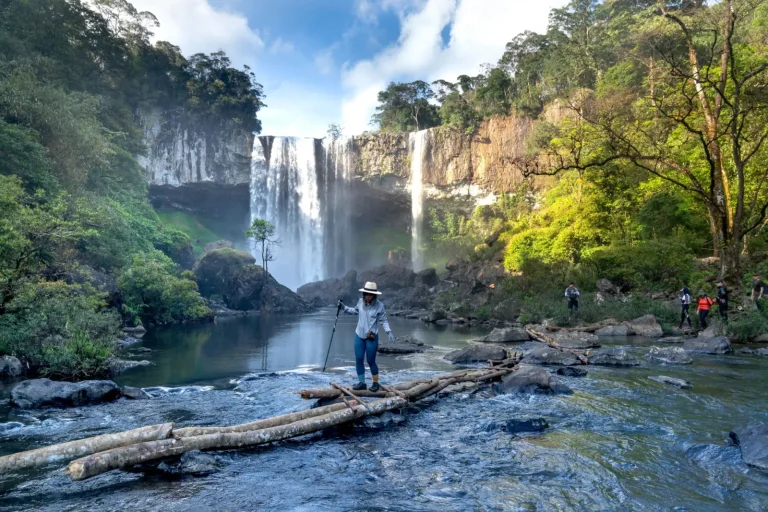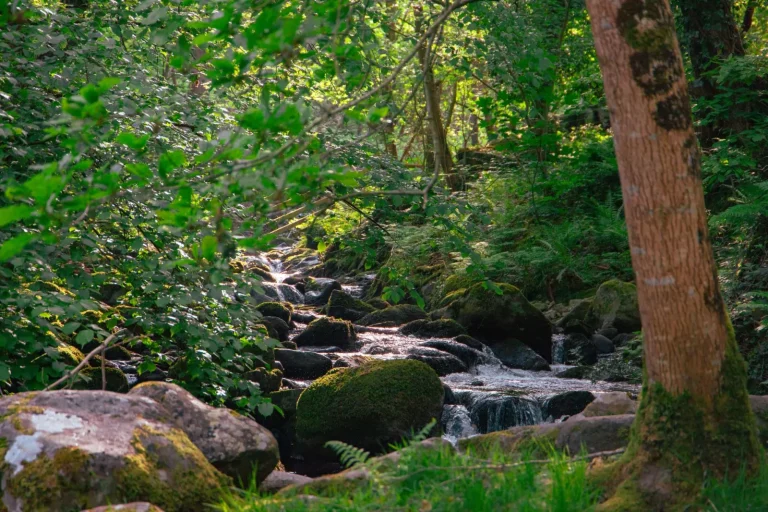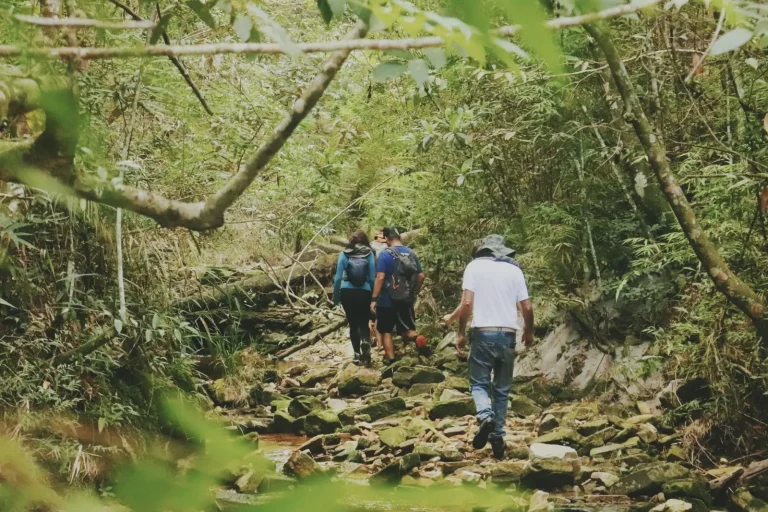

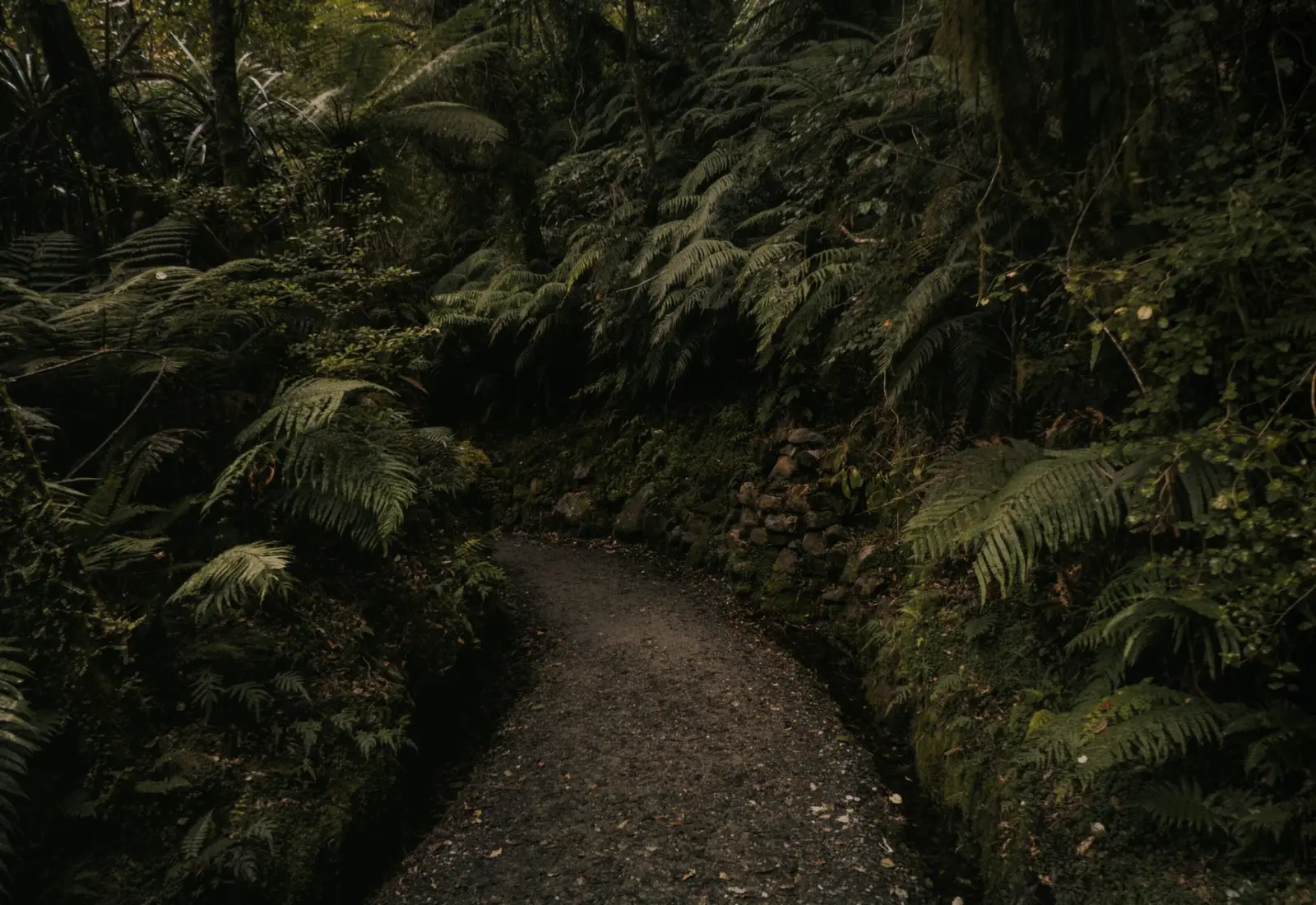
Newcastle sits in an odd position for rainforest access. You’re close enough to several decent subtropical forests that you can reach them in under an hour, but far enough that most locals never bother. The rainforests around here aren’t the dense, impenetrable Daintree type. They’re drier, more open, and they change character dramatically depending on recent rainfall and the season. After years of walking these areas, I’ve learned which ones actually reward the drive and which ones feel like a waste of fuel.
The geography matters more than most people realize. Newcastle sits on the coast with the Great Dividing Range running inland. That range creates pockets of rainforest where moisture gets trapped and the canopy stays thick. But these aren’t continuous forests. They’re scattered, sometimes small, and access depends entirely on which parks have maintained their walking infrastructure. Some trails get cleared regularly. Others get choked with fallen branches and overgrowth within two seasons.
Dorrigo National Park and the Rainforest Centre
Dorrigo is the obvious choice, and for good reason. It’s about 50 minutes south of Newcastle, and the Rainforest Centre sits right at the edge of the park with parking, facilities, and a clear sense of what you’re getting into. The main walking loop around the centre is short – maybe 20 to 30 minutes – but it’s genuinely immersive. The canopy is thick enough that you lose the sense of being near a car park almost immediately.
What I’ve noticed over repeated visits is that Dorrigo works best if you go beyond the main loop. The Lyrebird Track extends further into the park and climbs gradually through different forest zones. It’s longer – closer to two hours return – and the vegetation changes noticeably as you gain elevation. The ground gets softer, the ferns more dense, and you start seeing the forest structure that makes rainforest walking distinct from regular bush walking. The downside is that this track gets muddy fast after rain, and it’s not always obvious where the official path sits when vegetation encroaches.
Coffs Harbour Region: Closer Than You’d Think
Coffs Harbour is roughly 90 minutes south, but several smaller rainforest reserves in that area are worth considering if you’re already heading that direction. Muttonbird Island has a coastal walk, but it’s not rainforest. What works better is the Boambee Creek area and the various reserves around the Coffs region that sit in the transition zone between subtropical and warm temperate forest.
These walks tend to be quieter than Dorrigo. You’ll see fewer people, which means less trail maintenance but also less crowding. The rainforest character is less pronounced – more eucalypts mixed in, more open understory – but that’s not necessarily a drawback. It’s a different experience, and sometimes that’s exactly what you want. The trade-off is that parking and facilities are often minimal or nonexistent. You need to be self-sufficient, and you need to know where you’re going before you arrive.
Waratah National Park and the Northern Option
North of Newcastle, Waratah sits about 40 minutes inland and offers rainforest walking that feels less polished than Dorrigo but more substantial. The park has several walking tracks, and the Lyrebird Dell track is the one most people attempt. It’s a solid rainforest walk – genuinely wet, genuinely green – but the infrastructure is minimal. Parking is basic, and the track itself can be poorly marked depending on when it was last maintained.
I’ve walked Waratah in both dry and wet seasons, and the difference is stark. In dry conditions, it’s manageable and pleasant. After heavy rain, sections become genuinely boggy, and the track can be hard to follow. This isn’t a complaint – it’s just the reality of walking in subtropical rainforest. The forest is wet for a reason, and you’re either prepared for that or you’re not. Most people aren’t. They show up in regular shoes, get their feet soaked, and decide rainforest walking isn’t for them. The people who come back are the ones who treated it like a wet-weather walk from the start.
Practical Realities of Rainforest Walking Near Newcastle
Distance is deceptive in rainforest. A walk that would take 45 minutes on an open trail can take 90 minutes under thick canopy. Your pace slows naturally because the ground is uneven, the vegetation demands attention, and the sensory overload of being inside a dense forest changes how your body moves. Factor this into your planning. A “two-hour walk” often means two hours of actual walking time plus time to get lost, regain bearings, and navigate obstacles.
Footwear matters more than people expect. Regular hiking boots work, but they get soaked. Proper wet-weather boots or trail shoes with aggressive tread are genuinely useful. Gaiters help keep debris out of your shoes. Socks that dry quickly make the difference between a pleasant walk and a miserable one. After years of walking these areas, I’ve learned that comfort on the return journey depends entirely on what you wore on the way in.
Timing is everything. Rainforest walks near Newcastle work best in the cooler months – April through September. The canopy keeps things cool, but humidity is still high, and you’ll sweat more than you expect. In summer, the heat combined with humidity can be genuinely unpleasant. The walks don’t change, but your experience of them does. Also, recent rainfall makes these walks significantly more challenging. Not impossible, but noticeably harder. If it’s rained in the last few days, expect mud, slippery rocks, and sections where the track becomes a small stream.
Navigation is straightforward on maintained tracks, but it’s worth carrying a phone with offline maps. Mobile signal is inconsistent in rainforest, but having a map file loaded before you start means you can still orient yourself if you miss a turn. Most people don’t do this, and it’s a minor source of anxiety that’s easily avoided.
The actual rainforest experience – what makes these walks worth doing – comes down to immersion. You’re inside a living system that operates on different rules than open bush. The sound is different. The light is different. The air feels different. These aren’t poetic observations. They’re physical facts that change how your brain processes the environment. This is why people keep coming back to rainforest walks even though they’re wetter, muddier, and require more effort than alternatives. Once you’ve spent an hour inside a rainforest canopy, regular bush walking feels thin by comparison.