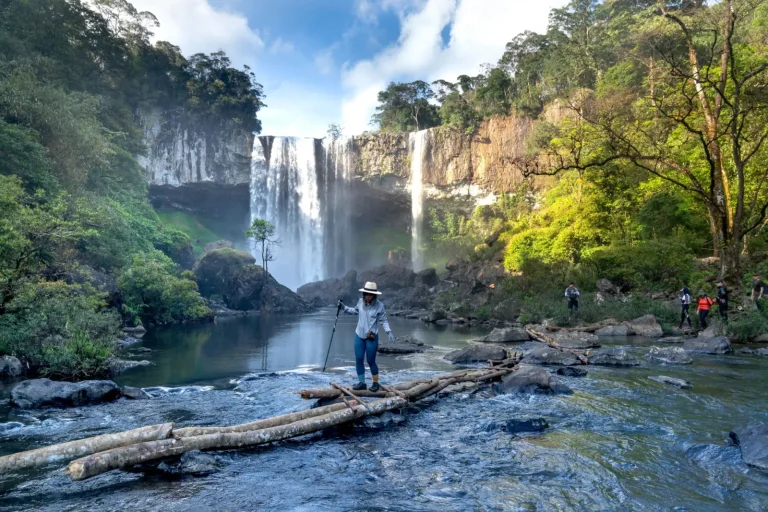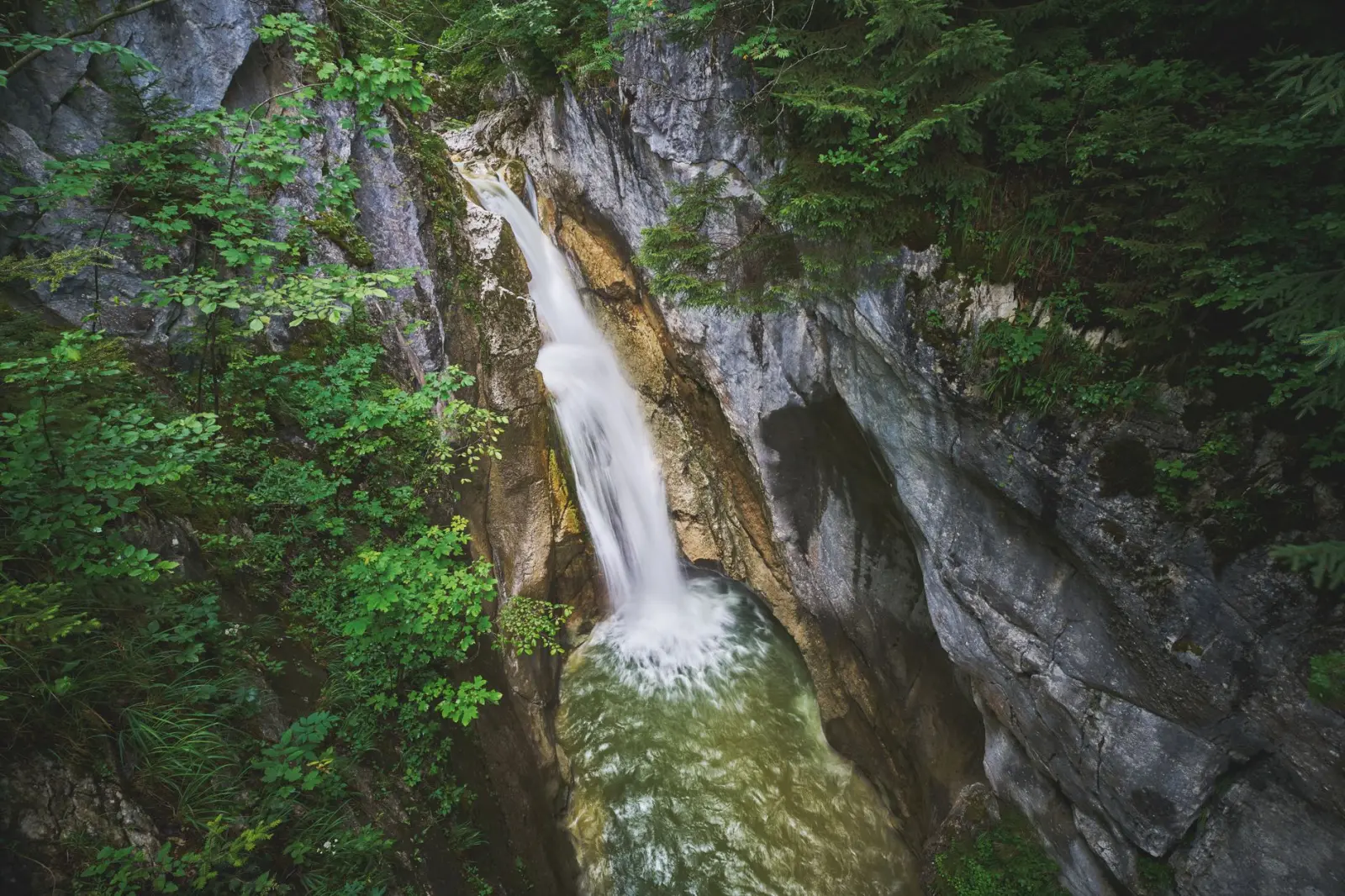
Gap Creek Falls sits in a narrow valley where the creek has carved a persistent path through resistant rock. The forest around it is dense, layered, and moves at a different pace than the open trail systems most people encounter. After spending considerable time in this area, I’ve found that the experience hinges less on the waterfall itself and more on understanding how the forest actually behaves – how water moves through it, where the ground holds firm, and where it doesn’t.
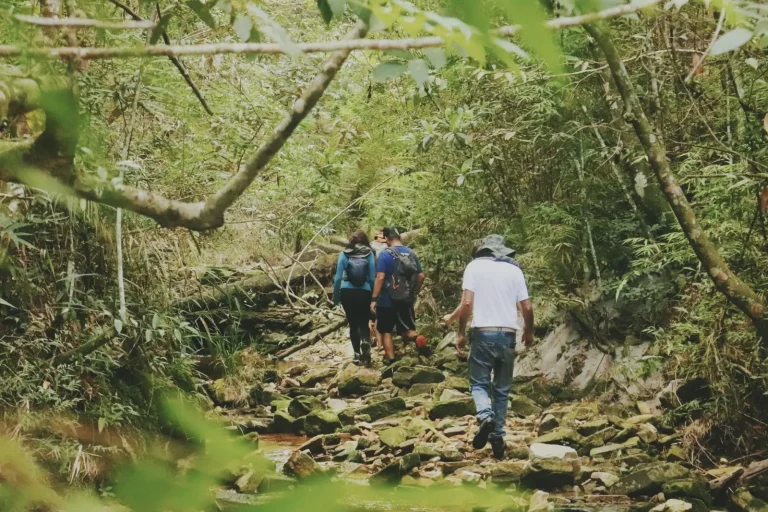
The approach to the falls typically begins on a trail that starts reasonably clear but deteriorates as you move closer to the creek. The path itself is worn but not maintained with the consistency of popular destinations. Rocks are scattered across it, and in wet conditions, mud accumulates in predictable spots where the ground naturally channels water. The forest canopy is thick enough that even on sunny days, the ground stays damp. This isn’t a minor detail. It affects your footing, the stability of roots you might use for balance, and how quickly fatigue sets in.
The Creek Corridor and Water Dynamics
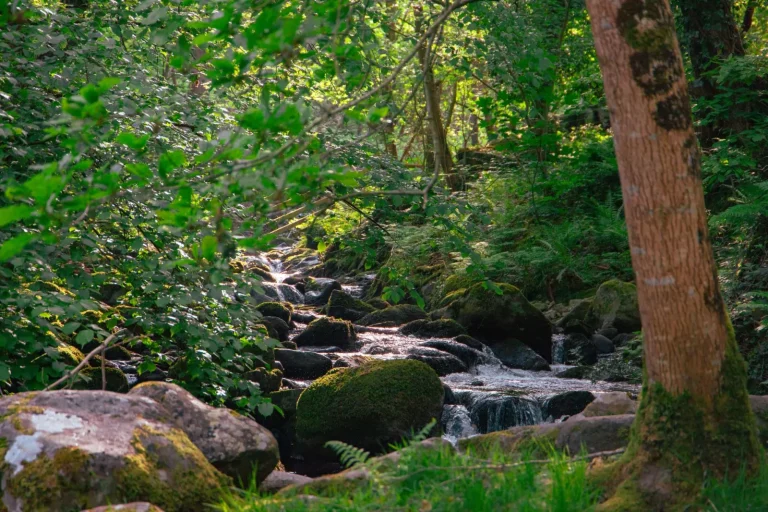
As you move deeper into the valley, the creek becomes your constant reference point. The sound of it grows louder, but the actual water level varies significantly depending on recent rainfall. I’ve seen this creek move from a gentle flow to a churning force within hours of heavy rain upstream. The forest floor near the creek is always wetter than areas even fifty feet away, and the vegetation changes noticeably – more moss, denser undergrowth, and a particular type of fern that thrives in constant moisture.
The rocks around the creek are slick year-round. Algae and mineral deposits coat them, and even rocks that appear dry can be treacherous. The creek itself narrows as it approaches the falls, and the current accelerates. If you’re considering any water crossing or scrambling along the creek bed, understand that the rock is not forgiving. People slip here regularly. The water is cold enough that a fall isn’t just uncomfortable – it’s a genuine hazard that can lead to rapid hypothermia, especially in cooler months.
Forest Structure and Movement
The forest composition shifts as elevation changes through the valley. Lower areas near the creek are dominated by hemlock and rhododendron, creating a dense understory that can be difficult to push through if you leave the trail. Higher up the valley sides, you encounter more oak and hickory, with a more open forest floor. This matters because if the main trail becomes impassable or you need to navigate around obstacles, the terrain on either side of the creek is not equally passable.
Fallen trees are common throughout this forest. Some are recent; others have been decomposing for years and are soft enough that your foot can punch through them. These create natural barriers that force you to either climb over or around them. The deadfall also accumulates moisture and hosts a different ecosystem – fungi, insects, and salamanders. It’s worth watching your step around these areas, not just for safety but because the ground beneath them is often unstable.
The understory vegetation is thick enough that visibility is limited. You can’t see far ahead on most of the approach, which means you’re constantly adjusting your pace and footing based on what’s immediately in front of you. This is tiring in a way that flat, open terrain isn’t. Your body is working to navigate obstacles and maintain balance, even when you’re moving slowly.
Seasonal Variations and Ground Conditions
Spring brings high water and mud. The creek is powerful, and the forest floor is saturated. Fall offers better ground conditions but can be slippery with leaf litter that obscures rocks and roots. Winter is when the terrain becomes genuinely technical – ice forms on rocks and roots, and the cold makes mistakes more consequential. Summer is the most forgiving season, though the heat and humidity in a narrow, enclosed valley can be oppressive.
The leaf litter deserves specific mention. In fall and early winter, it covers the trail completely. This isn’t just an aesthetic issue. It hides rocks, roots, and holes that can catch your foot. It also obscures the actual path, so navigation becomes less certain. I’ve watched people lose the trail entirely because they couldn’t see where the worn ground actually runs beneath the leaves.
Wildlife and Ecological Patterns
The forest around Gap Creek Falls supports a consistent population of deer, black bears, and smaller mammals. You’re unlikely to encounter a bear during normal daylight hours, but evidence of them is everywhere – scat, overturned logs, claw marks on trees. The creek itself supports salamanders, crayfish, and small fish. Insects are prolific, particularly in warmer months. The mosquitoes and biting flies can be significant enough to affect your comfort and pace, especially near the creek where humidity is highest.
The bird population is active but not always visible. The dense canopy means you hear them more often than you see them. The soundscape of the forest is actually useful for navigation – if you lose the sense of where the creek is, listening for the water helps reorient you.
Exploring this forest requires respecting its pace. It’s not a destination you rush through. The terrain demands attention, the water requires caution, and the dense vegetation means you’re always working to move forward. The waterfall itself is the endpoint, but the forest is what you actually spend your time in, and understanding how it works – how it moves, how it changes, how it responds to weather – is what makes the experience coherent rather than frustrating.