The stretch of coast between Sydney and Newcastle contains some genuinely rewarding rainforest, but most of it requires deliberate effort to reach. You won’t stumble into these walks by accident. The region sits in an awkward middle ground – too far north for casual day trips from Sydney’s inner suburbs, yet not quite remote enough to feel like genuine wilderness. This creates a specific type of walk: one where the logistics matter as much as the scenery.
I’ve done these walks across different seasons and weather patterns. The experience varies wildly depending on when you go and what you’re willing to tolerate. Winter offers clearer skies and fewer insects, but water levels in creeks can be unpredictable. Summer brings lush growth and reliable water flow, but the humidity is substantial and the trails become genuinely slippery. Spring is often overlooked and tends to be the sweet spot, though it’s harder to predict.
The drive itself is worth acknowledging. From Sydney’s northern beaches or the CBD, you’re looking at 90 minutes to two hours to reach the best walking areas. Newcastle is closer to some walks, but not by much. This isn’t a casual outing. Most people who make the drive are committed to spending at least half a day on the trail, which means starting early and accepting that you’ll be tired by the time you return to the car.
Dharug National Park and the Grose Valley
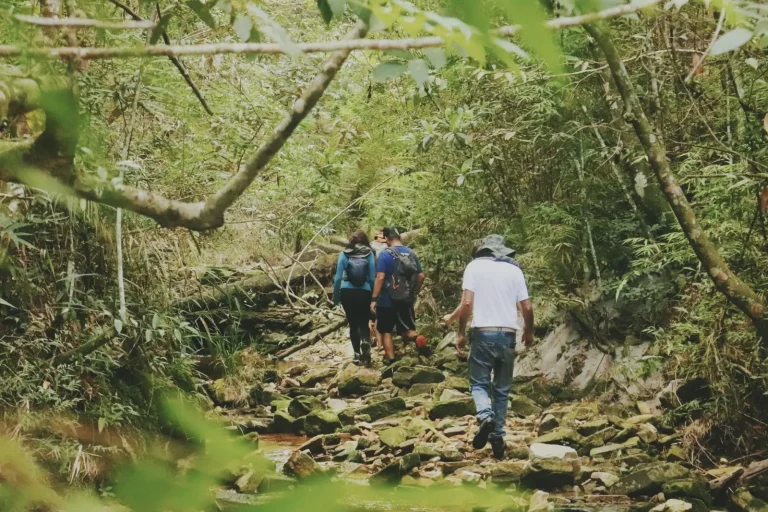
The Grose Valley circuit remains one of the most substantial rainforest experiences in the region. The walk descends into a steep valley system where the vegetation changes noticeably as you lose elevation. Eucalyptus gives way to subtropical rainforest, with proper canopy closure and the associated humidity and dimness. The descent itself takes roughly two hours, and most people underestimate the climb back out.
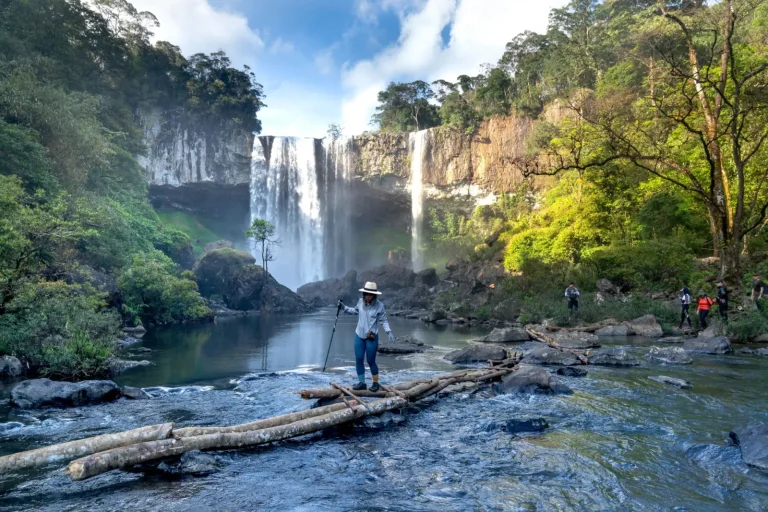
What catches people off guard is the creek crossings. In winter or after heavy rain, the main creek can be thigh-deep and genuinely cold. The rocks are slippery – not just wet, but covered in algae and moss that makes them almost frictionless. I’ve seen experienced walkers lose their footing here. Proper footwear matters more than it sounds. Hiking boots with good grip are worth the weight. The walk is also longer than most guidebooks suggest. Budget six to seven hours for a comfortable pace, not the advertised four or five.
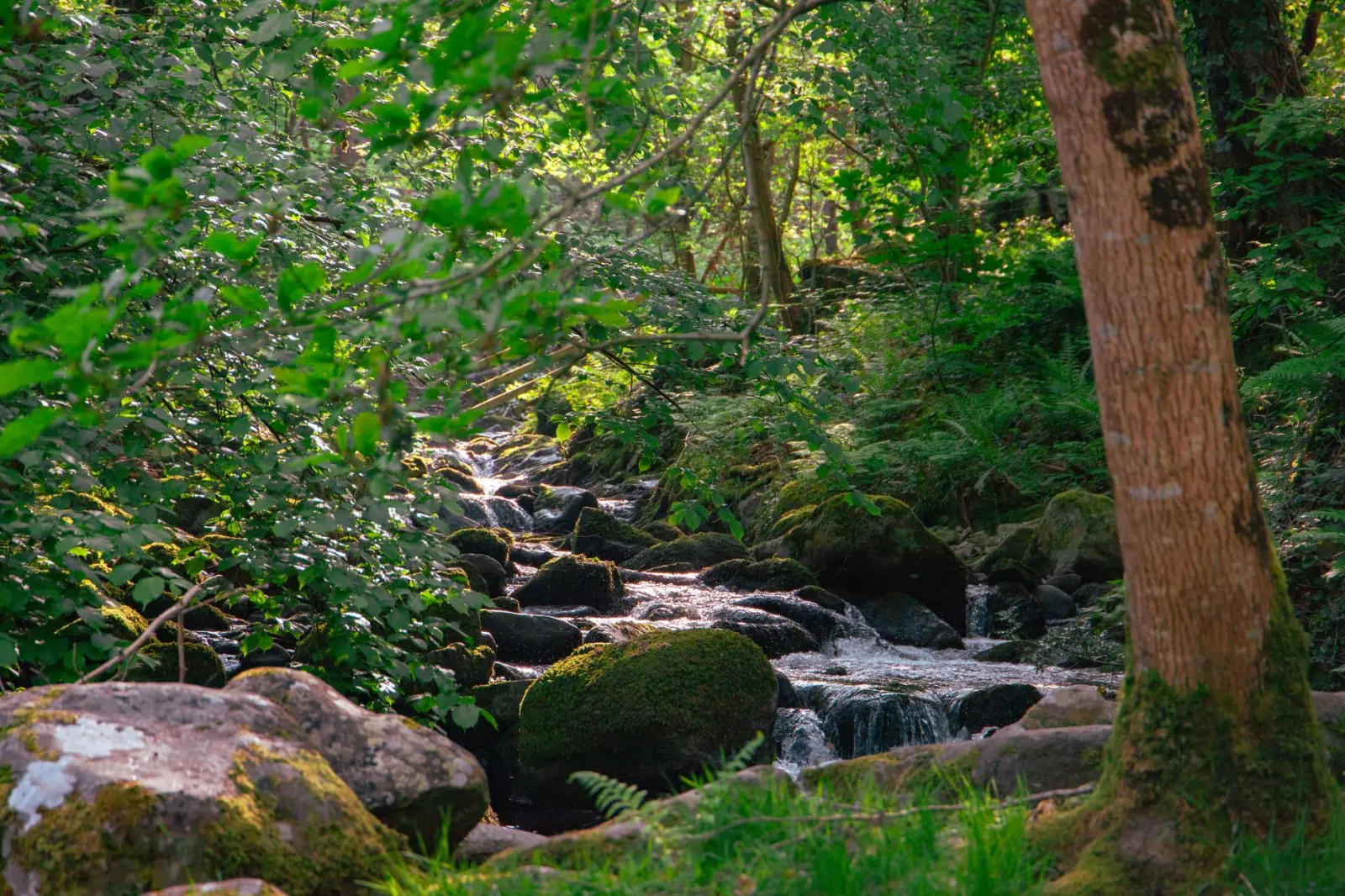
The rainforest itself is worth the effort. You’ll see tree ferns, proper subtropical vegetation, and the canopy is dense enough that it feels genuinely different from the dry sclerophyll forest above. The creek pools are clear and cold, and on a warm day the urge to swim is strong. The walk is popular enough that you’ll see other people, but not so popular that it feels crowded. Weekdays are noticeably quieter than weekends.
Somersby Falls and the Surrounding Valleys
Somersby Falls is closer to Newcastle than Sydney, sitting in Bouddi National Park on the Central Coast. The walk to the falls themselves is short – maybe 20 minutes – but the surrounding network of trails offers more substantial rainforest walking if you’re willing to explore beyond the main attraction. Most visitors do the quick walk to the falls and leave, which means the quieter trails nearby remain relatively empty.
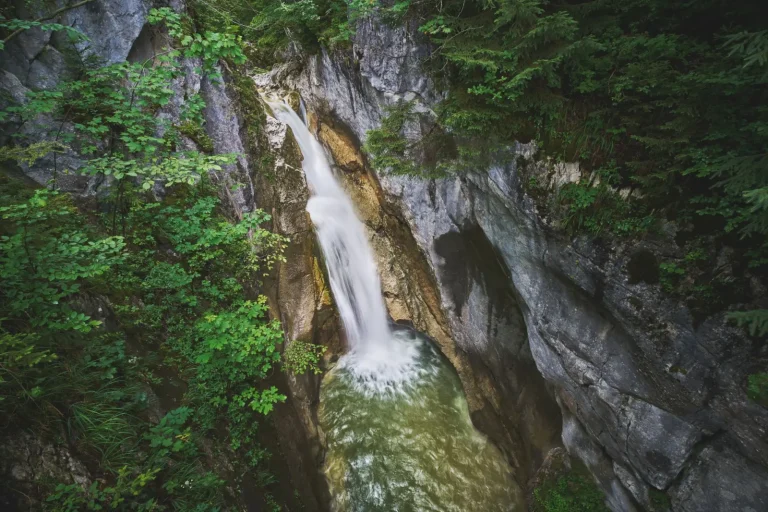
The falls themselves are modest, particularly in summer when water flow drops. The real value is in the rainforest setting and the possibility of extending your walk into the valleys. The vegetation here is subtropical rainforest with good canopy cover. The air is noticeably different from the surrounding areas – damper, cooler, with the smell of decomposing leaf matter and earth. This is what makes the walk worthwhile, not the falls themselves.
The main issue here is parking and access. The carpark fills early on weekends, and the road to reach it is narrow and winding. If you arrive after 10 a.m. on a Saturday, you may struggle to find a spot. Weekday visits are far more pleasant. The walk is also less challenging than the Grose Valley, which makes it useful if you want rainforest experience without the physical demand or the long drive from Sydney.
Waratah Falls and Heaton Lookout
This walk sits in the transition zone between Sydney’s outer suburbs and the Central Coast. It’s less known than it deserves to be, possibly because it requires some navigation and isn’t heavily promoted. The walk drops into a valley system with reliable water flow and genuine rainforest vegetation. Waratah Falls itself is small, but the surrounding forest is the main attraction.
The approach is straightforward, but the return involves a steep climb that most people find harder than expected. The elevation gain is around 200 meters over the final section, and it comes at the end of the walk when fatigue is setting in. The trail surface is often muddy, particularly after rain, and the steps can be treacherous. I’ve seen people stop and rest multiple times on the way up. This isn’t a criticism – it’s just the reality of the walk. If you’re comfortable with that, it’s a worthwhile experience.
What makes this walk distinct is the sense of isolation. You won’t see many other people, even on weekends. The rainforest is dense and the canopy is thick enough that it feels removed from civilization. There’s a particular quality to walking through dense rainforest that you don’t get from more popular, well-maintained trails. The vegetation feels less managed, and the sense of being in an actual forest rather than a walking track is stronger.
Practical Realities and Timing
Weather patterns matter significantly here. The Central Coast and areas north of Sydney receive substantial rainfall, and trails can become genuinely difficult after heavy rain. Creeks swell quickly, and muddy sections become slippery enough to be dangerous. I typically avoid these walks for at least two days after significant rainfall. The forecast matters less than local knowledge – if locals say the creek is up, it’s worth believing.
Insect pressure varies by season. Spring and early summer bring mosquitoes and leeches, particularly in damper sections of track. Insect repellent helps with mosquitoes but is less effective against leeches. Long sleeves and pants tucked into socks are the most reliable defense, though they’re uncomfortable in warm weather. Most people accept a few leech bites as part of the experience. The bites themselves aren’t dangerous, just annoying and slightly itchy afterward.
The drive time means most people do these walks as standalone trips rather than combining multiple walks in one day. The logistics of managing two separate carparks and the associated driving time make it inefficient. If you’re making the drive, commit to one walk and do it properly rather than rushing through two mediocre options.
Water availability is reliable on these walks, but carrying your own supply is still sensible. Creek water can be drunk safely after filtering, but it requires carrying a filter or purification tablets. Most people carry enough water for the walk and refill at creeks if needed. The weight of extra water adds up over a full day of walking, so planning your refill points is practical.
These walks are best approached with realistic expectations. They’re not remote wilderness experiences, but they’re not manicured urban parks either. They sit in a middle ground where you get genuine rainforest immersion without the logistics of traveling to true wilderness. The drive is real, the physical demands are genuine, and the weather can be unpredictable. But if you’re willing to invest the time and effort, the rainforest itself is worth experiencing.