Northern New South Wales holds some of Australia’s most accessible subtropical rainforest, and that accessibility cuts both ways. The region draws steady crowds, particularly around the well-known spots, but the experience varies dramatically depending on where you go and when. After spending considerable time moving through these forests – walking the same tracks across different seasons, talking with locals, and watching how conditions shift – certain patterns emerge about what actually delivers and what tends to disappoint.
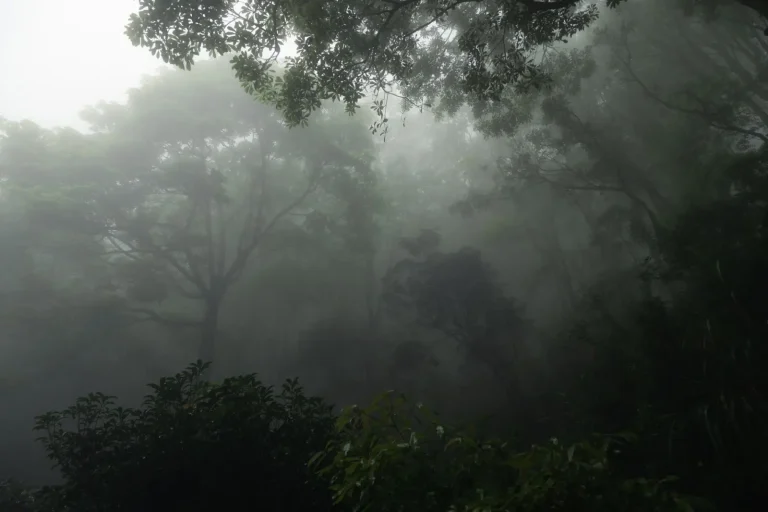
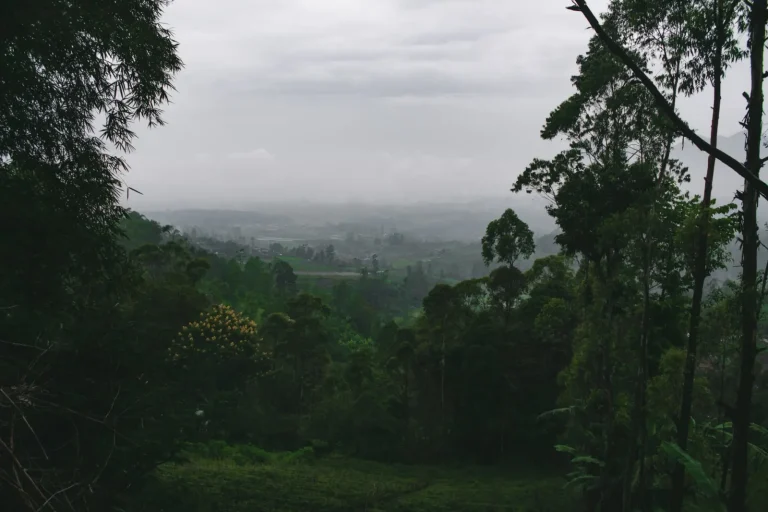
The rainforest here isn’t the dense, impenetrable jungle of popular imagination. It’s layered, sometimes open, often surprisingly dry underfoot despite the moisture in the air. The canopy is high in places, creating cathedral-like spaces, and tight in others where light barely reaches the forest floor. This variation matters because it shapes what you’ll see, how you’ll feel moving through it, and whether you’ll encounter the wildlife people come hoping to find.
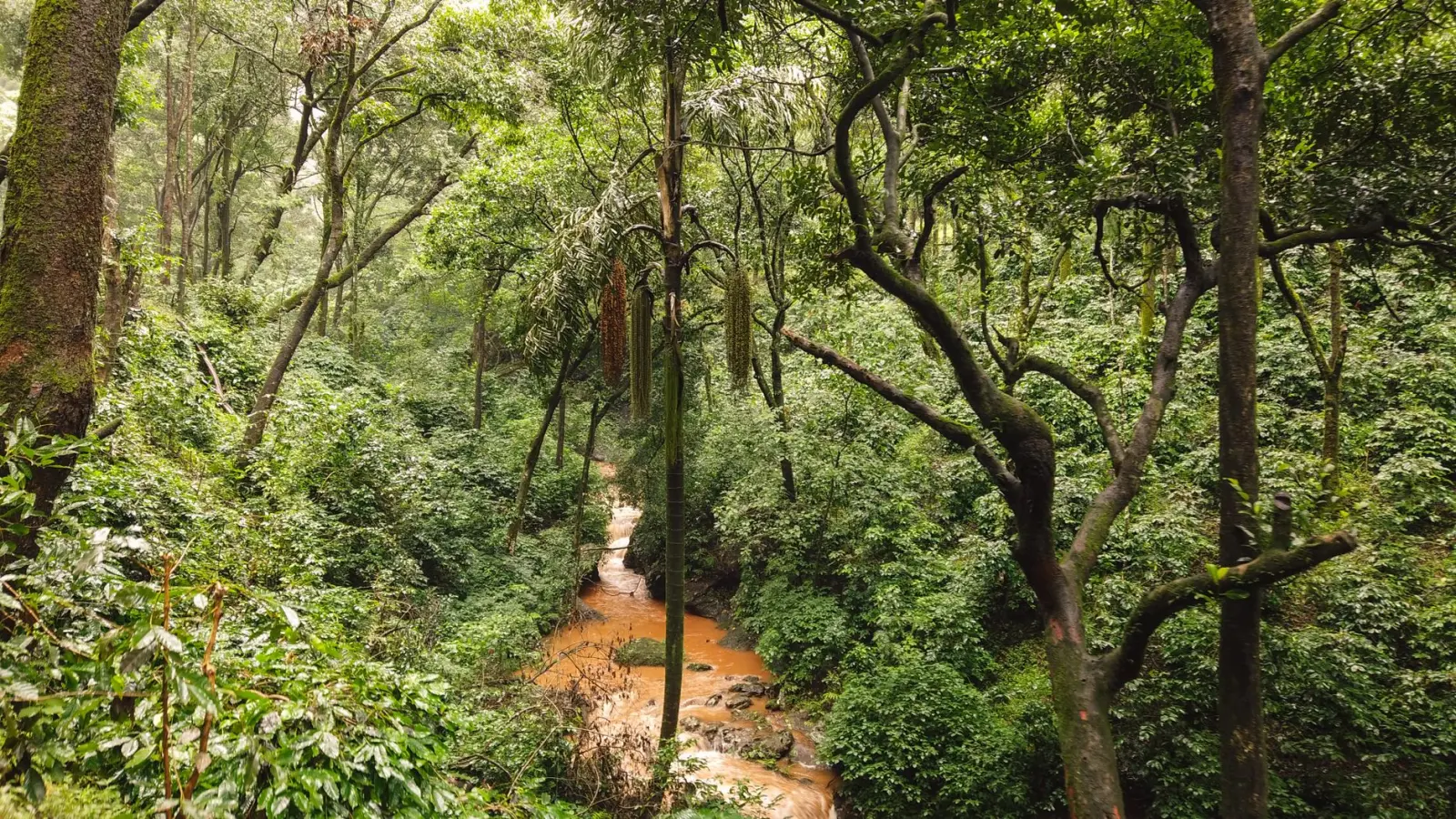
Dorrigo National Park sits in the hinterland above Coffs Harbour and represents one of the few places where the rainforest experience hasn’t been entirely flattened by infrastructure and visitor management. The Never Never Picnic Area serves as the main entry point, and yes, it gets busy on weekends, but the crowds thin rapidly once you move beyond the immediate vicinity. The walk to Coramba Falls takes roughly ninety minutes return, and the forest here has genuine character – massive strangler figs, clean creeks, and stretches where you’re genuinely alone. The falls themselves are modest, but that’s not really the point. The appeal lies in moving through the forest itself, in the sound of water running somewhere nearby, and in the density of life around you.
Where the Real Variation Shows
Crystal Shower Falls near Nymboida works differently. It’s shorter, steeper, and the waterfall is more dramatic, but the track is narrow and the forest feels more confined. In wet weather, the creek rises quickly and the track becomes genuinely slippery. I’ve seen people turn back halfway through because they underestimated the physical demand or overestimated their balance on wet rock. That said, if you’re comfortable with that level of terrain, the payoff is real – the falls drop into a deep pool, and the surrounding forest is thick and active with bird life.
Minyon Falls, further north near Minyon Scrub, requires a different kind of commitment. The walk down is long – roughly two hours each way – and it’s consistently downhill on the way in, which means consistently uphill on the way out. People often underestimate this. The falls themselves are exceptional, dropping into a massive amphitheater of rainforest, but you’re paying for that with your legs and your time. The track is well-maintained, but the fatigue factor is real, particularly if you’re not accustomed to sustained downhill walking. The forest around Minyon is also noticeably different from the lower altitude rainforests – cooler, damper, with different vegetation. If you can manage the walk, it’s worth doing, but it’s not a casual stroll.
Nightcap National Park offers something distinct. The rainforest here is older and more complex, with larger trees and a more established understory. The Minyon Lookout walk is straightforward and popular, but the real experience lies in the Protestors Falls track, which descends through the forest to a waterfall in a narrow gorge. The walk is moderate in difficulty, the forest is genuinely beautiful, and it’s less crowded than some alternatives. The creek here runs clear and cold, and the surrounding vegetation feels genuinely wild rather than managed.
Timing and What You’ll Actually Encounter
Seasonality shapes these experiences more than most visitors anticipate. In the wet season – roughly November through March – the creeks run high, the forest is lush and active, and the air is thick with moisture and insect life. Mosquitoes are present and worth planning around. The waterfalls are impressive, but the tracks can be slippery and muddy. In the dry season, the creeks drop, some walks become less interesting, but the physical conditions are easier and the insect pressure diminishes. Spring and autumn occupy a middle ground where conditions are generally pleasant and the crowds are lighter than summer.
Bird life is present year-round, but more visible and vocal in the early morning. If you’re interested in seeing rainforest birds, you need to be moving before eight in the morning, and you need to move slowly and stop frequently. The reality is that most birds will hear you before you see them. Patience and quiet attention matter more than hiking speed. The same applies to other wildlife – reptiles, small mammals, insects. They’re there, but you’re unlikely to encounter them unless you’re moving deliberately and paying attention to the forest rather than the destination.
The Coffs Harbour region itself is worth understanding as a logistics hub. It’s the closest major town to several of the better rainforest experiences, with accommodation options ranging from basic to comfortable. The drive from Coffs Harbour to Dorrigo is roughly forty-five minutes, to Minyon Scrub is closer to two hours. These aren’t trivial distances if you’re planning a day trip. The roads are generally good, but they wind, and the drive itself takes energy. I’ve seen people arrive at the trailhead already tired from the drive, which shapes how much they can actually enjoy the walk.
The Practical Reality of Rainforest Walking
Footwear matters more than it seems. The forest floor is often uneven, with roots, rocks, and sometimes mud. Proper hiking boots or trail shoes with good grip make a genuine difference, particularly in wet conditions. Thongs or casual sneakers are a mistake, and I’ve watched people struggle significantly because they underestimated this. Similarly, water and sun protection are essential even in the forest – you’re moving through dappled light, and dehydration creeps up on you.
Insect repellent is worth bringing, particularly during the warmer months. Mosquitoes and March flies are present, and they’re more active in certain areas and times of day. The repellent doesn’t eliminate them entirely, but it reduces the irritation significantly. Some people skip this and regret it by the midpoint of the walk.
The rainforest experiences in northern NSW that actually deliver are the ones where you adjust your expectations to the reality of the place rather than the fantasy of it. They’re not Instagram moments – they’re walks through genuinely living forest where the appeal lies in the texture and complexity of the environment, the sound of water and birds, and the simple fact of moving through a landscape that’s been here for thousands of years and will be here long after you leave. The best experiences tend to be the ones where people accept that, show up prepared, and move through the forest with some attention and patience rather than rushing toward a destination.