
The rainforest walks in the Blue Mountains have a reputation that often precedes them. People arrive expecting lush canopy, mist, and solitude, and sometimes they find exactly that. Other times they encounter crowds, muddy logistics, and a very different experience than they anticipated. After many seasons walking these trails, the pattern is consistent: the walks themselves are genuinely good, but the conditions under which you do them matter far more than which particular trail you choose.
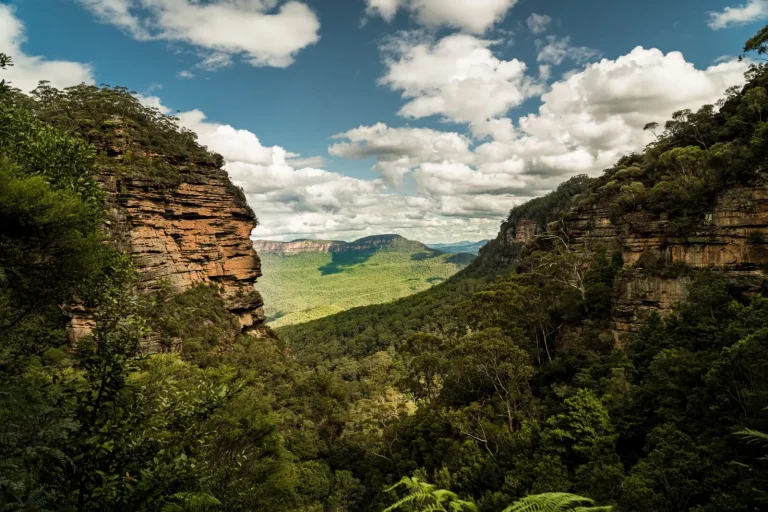
The Blue Mountains rainforest exists in pockets. It’s not one continuous ecosystem but rather a series of sheltered valleys and gullies where moisture accumulates and the canopy grows thick. This fragmentation means each walk has its own character, and the experience changes dramatically depending on weather, time of day, and season. A walk that feels intimate and atmospheric on a misty morning can feel claustrophobic and slippery by afternoon. This isn’t a flaw in the trails themselves – it’s just how they work.
The most commonly walked sections tend to be the Wentworth Falls Loop and the Prince Henry Cliff Walk, both of which are accessible and well-maintained. These trails see steady foot traffic, particularly on weekends and school holidays. The Wentworth Falls Loop in particular draws people because it combines rainforest sections with cliff views and a waterfall, so it feels like you’re getting multiple experiences in one outing. The reality is that you do get variety, but you also get company. If you go between 10 a.m. and 3 p.m. on a Saturday, you’ll encounter other walkers regularly. This isn’t necessarily bad – the trails are designed for this – but it changes the feel of the walk considerably.
Timing and Conditions Shape Everything
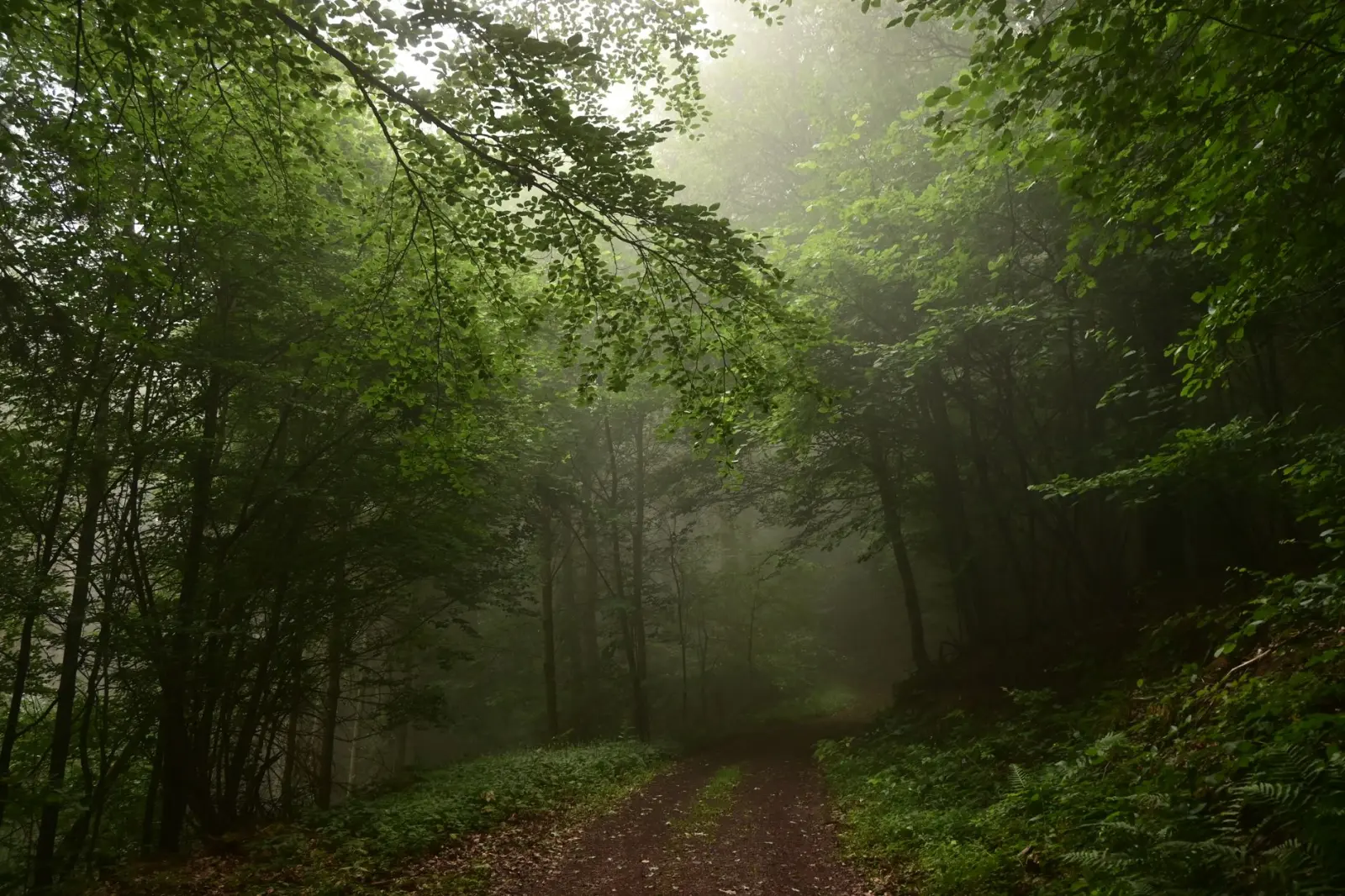
The single most important variable in these walks isn’t the trail itself but when you do it. Early morning, particularly between 6 and 8 a.m., transforms even the most popular routes. The light is soft, the air is cooler, and the trails are genuinely quiet. I’ve walked Wentworth Falls at dawn and encountered maybe three other people across the entire loop. The same walk at 2 p.m. on a sunny day can feel crowded. If solitude matters to you, this timing difference is everything.
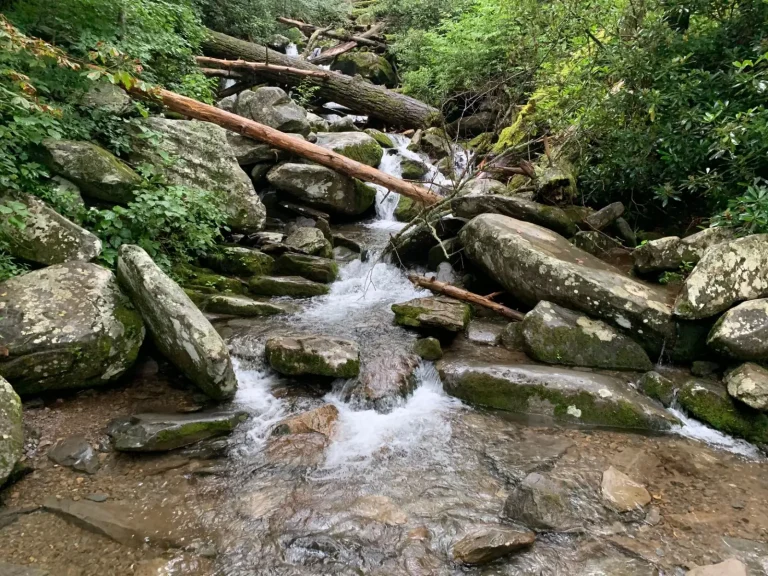
Rainfall in the preceding days affects the walk more than most people anticipate. The trails don’t become impassable after rain, but they do become slippery, and the experience shifts. The ferns and moss are more vibrant, the air smells richer, and the light filters through the canopy differently. However, you’ll be managing muddy footing, possibly slick rock sections, and higher humidity. Some people find this adds to the rainforest atmosphere. Others find it exhausting. The trails dry reasonably quickly in the Blue Mountains climate, so a walk 24 to 48 hours after rain often hits the sweet spot – the vegetation is still responsive to moisture, but the ground is manageable.
Seasonal variation matters too. Spring and early summer bring more water flow through the gullies and waterfalls, which adds visual interest. Autumn can be quieter, though the canopy starts to thin slightly. Winter is cool and often misty, which many people find ideal for rainforest walking because the mist intensifies the sense of enclosure and mystery. Summer is warmer and busier, and the canopy is fullest, but humidity can be significant.
The Lesser-Known Sections
Beyond the main circuit walks, there are quieter rainforest sections that get far less attention. The Leura Cascades track is one. It’s shorter than the major walks and less promoted, which means it stays relatively peaceful even on busy days. The rainforest here is dense and the creek is active, creating that sense of being inside the ecosystem rather than walking through it. The walk is steep in places, which naturally limits traffic.
The Lyrebird Dell area, accessed from near Leura, offers another quieter option. It’s a shorter walk that feels more enclosed than some of the cliff-adjacent routes. The canopy is thick, and the understory is complex – lots of different fern species, fallen logs, and the sense of layered growth that characterizes true rainforest. It’s less dramatic than walks with waterfall views, but it’s more immersive.
The Prince Henry Cliff Walk does have rainforest sections, though people often think of it primarily as a cliff walk. The parts that descend into the gully are genuinely rainforest, with the added benefit of views back out toward the escarpment. It’s a longer walk than some options, which means it attracts fewer casual visitors, though it still sees regular traffic.
Physical Reality and Fatigue
These walks are not flat. The Blue Mountains rainforest exists in valleys and gullies, which means you’re descending to reach the best sections and ascending to leave. A walk that’s listed as 8 kilometers might feel significantly longer because of the elevation changes. The Wentworth Falls Loop, for instance, includes a substantial climb out of the valley at the end. By that point, if you’ve been walking for two hours, the climb feels more demanding than the distance alone suggests.
The terrain underfoot varies. Sections are well-formed track, others are rocky and uneven, and some are rooty and require careful foot placement. Wet conditions make this significantly more demanding. I’ve seen people who are reasonably fit find these walks more tiring than expected because the uneven terrain requires constant attention and engagement from stabilizer muscles. This isn’t a criticism of the trails – it’s just the nature of rainforest walking in mountainous terrain.
Humidity and temperature combine to affect fatigue more than you might expect. Even on a cool day, the humidity in the rainforest can be high, which means your body is working harder to regulate temperature. A walk that feels moderate in terms of distance and elevation can leave you more tired than expected because of the thermal load. This is particularly true in summer or after warm, humid nights.
What Makes a Walk Worth Repeating
The walks that genuinely hold up to repeated visits are the ones where the rainforest itself is the focus rather than the walk being primarily about reaching a viewpoint or waterfall. Wentworth Falls Loop works because it does both, but the sections where you’re deep in the canopy, with water sounds around you and ferns at eye level, are what stick with you. The Prince Henry Cliff Walk works because the contrast between the rainforest gully and the open cliff sections creates a sense of moving between different worlds.
The quieter walks – Leura Cascades, Lyrebird Dell – work because they deliver the rainforest experience without the infrastructure and crowds. They’re less photographed, less written about, and less promoted, which means they stay more intimate. This isn’t always an advantage – the more popular walks are popular partly because they’re genuinely good – but if your goal is to experience the rainforest rather than to complete a well-known walk, these quieter options often deliver better.
The best time to walk these trails is when conditions align: early morning, 24 to 48 hours after rain, in a season that suits your tolerance for temperature and humidity. The specific trail matters less than you might think. What matters is that you’re moving through an ecosystem that’s genuinely different from the surrounding landscape, that you’re paying attention to the details of growth and moisture and light, and that you’re managing the physical demands realistically. The rainforest walks in the Blue Mountains are worth doing, but they’re worth doing well, which means showing up at the right time and with realistic expectations about what the walk actually involves.