
Paluma Range sits inland from Townsville, a modest but genuine piece of rainforest that most people underestimate. I’ve walked through it dozens of times over the years – sometimes solo, sometimes with groups – and the experience shifts considerably depending on what you’re actually prepared for. The park doesn’t advertise itself aggressively. There’s no major marketing push, no Instagram-famous waterfall that draws crowds. What you get instead is a quiet, humid, and occasionally demanding walk through subtropical rainforest that rewards preparation and punishes carelessness.
The main walking track through the range runs roughly 10 kilometers one way, though most people tackle shorter sections. The elevation gain is steady rather than dramatic – you’re climbing maybe 400 meters over that distance – but the combination of humidity, root systems, and the general mugginess of the rainforest environment makes it feel steeper than the numbers suggest. On a warm day, which is most days in this region, the physical demand accumulates in ways that aren’t obvious from a distance.
The Reality of Timing and Pacing
People arrive with expectations based on flat suburban walks or well-maintained hiking trails in cooler climates. Paluma Range operates differently. A 10-kilometer walk on a road might take two hours. On this track, with roots, mud, and constant minor elevation changes, you’re looking at three to four hours minimum for a reasonable pace. I’ve seen fit walkers underestimate this and find themselves pushing hard in the afternoon heat, which is when the track becomes less forgiving.
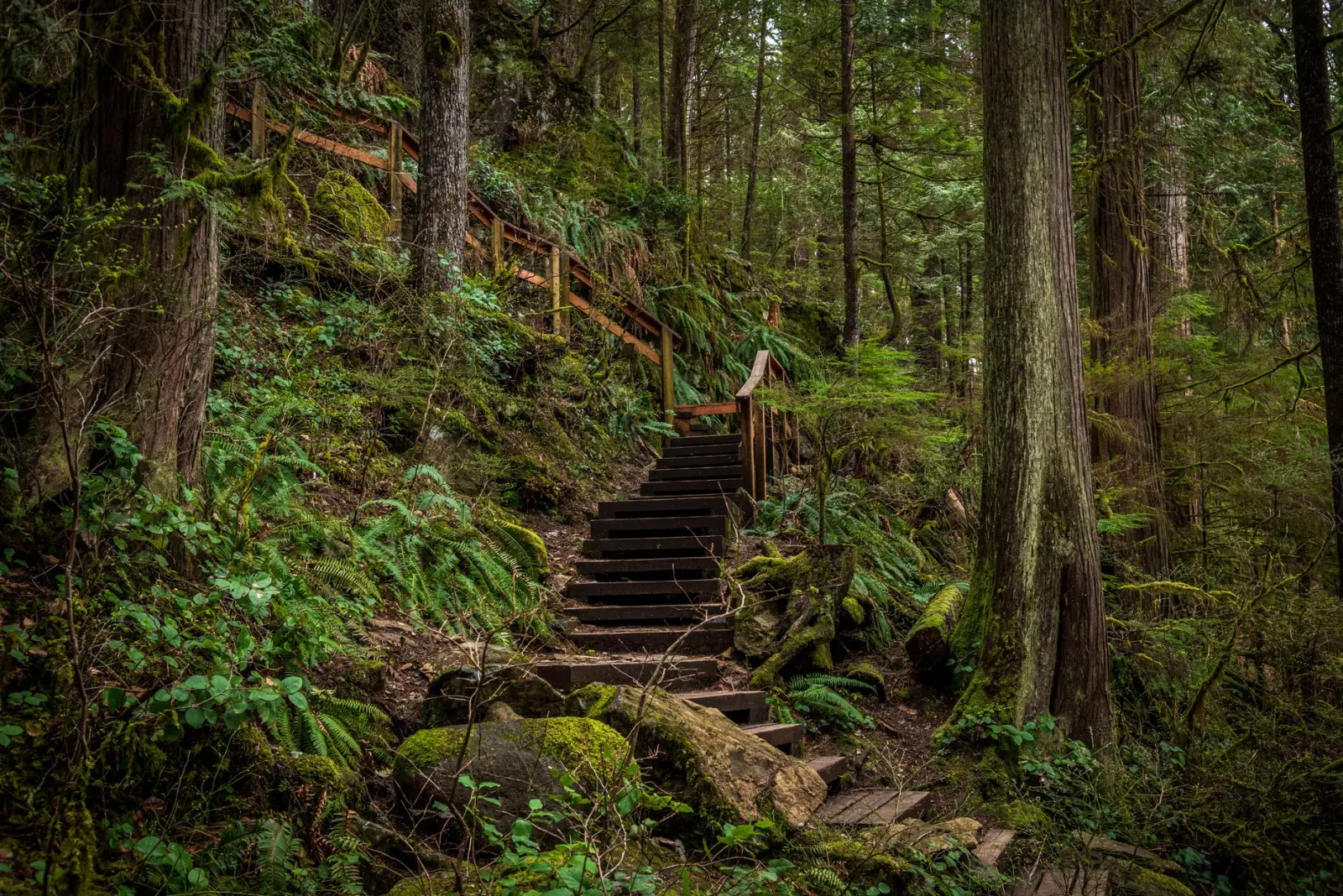
The track surface changes constantly. Early sections are relatively stable – compacted earth, some stone steps installed years ago that are now half-buried in soil and leaf litter. As you progress deeper, the ground becomes softer, wetter, and more prone to sudden drops where water has carved channels over seasons. Your foot placement becomes deliberate rather than automatic. This isn’t dangerous terrain, but it requires attention. Fatigue makes people sloppy, and sloppy footwork on uneven ground leads to twisted ankles or falls that might be minor or might require evacuation.
The afternoon heat is a real factor. Morning starts are almost always better. By midday, the temperature under the canopy sits in the high 20s Celsius, and humidity is often above 80 percent. Your body works harder to cool itself. Sweat doesn’t evaporate efficiently in that environment. People who start late or move slowly find themselves walking in increasingly uncomfortable conditions, which affects decision-making about whether to continue or turn back.
Water and Navigation
The track crosses several creeks, particularly in the lower sections. During dry periods, these are minor obstacles – you step across rocks or walk through shallow water. After heavy rain, they become genuinely difficult. I’ve seen the main creek swell to a point where crossing safely requires careful route-finding or waiting for levels to drop. The park doesn’t maintain water crossings to any particular standard, and there’s no official guidance on when the track becomes unsafe. You make that judgment yourself, which means you need to understand what conditions you can actually handle.
Signage is adequate but not comprehensive. The main junctions are marked. The track itself is usually obvious because it’s been walked thousands of times. But there are side trails and false paths where people have wandered off the main route. GPS is useful here, though the dense canopy can make signal patchy. Most people navigate fine by staying on the obvious path and paying attention, but phone-based navigation without proper preparation has caused confusion.
What Actually Goes Wrong
Dehydration is the most common issue I’ve observed. People underestimate how much fluid they need in humid rainforest. A two-liter bottle seems adequate until it isn’t, and there’s no reliable water source along most of the track. The creeks are there, but drinking untreated water carries risk. Carrying enough water from the start matters more than people think, particularly if they’re moving slowly or starting late in the day.
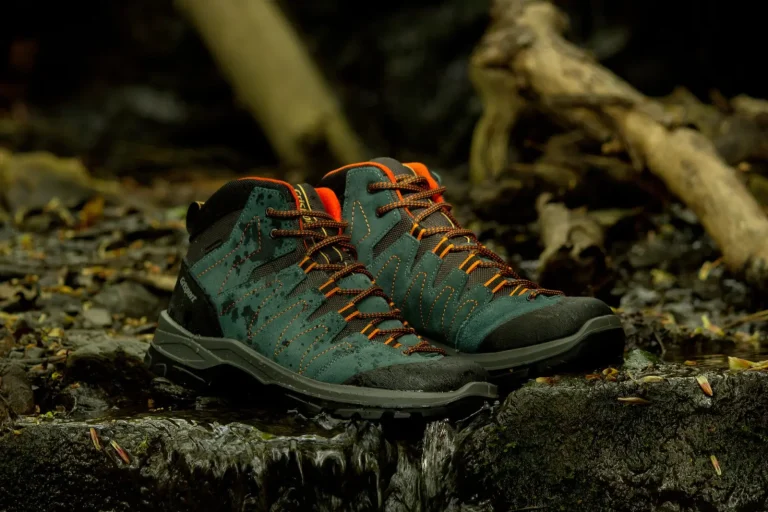
Footwear choices reveal themselves quickly. Runners designed for roads slip on wet roots. Casual hiking boots with poor ankle support lead to tired feet by midway. Proper trail shoes with decent grip and some ankle stability make a measurable difference. I’ve watched people in inappropriate footwear struggle with sections that would be straightforward otherwise. It’s not about being tough – it’s about matching your equipment to the actual surface you’re walking on.
Insects are present but rarely problematic. Mosquitoes exist, particularly near water. Leeches appear after rain, especially in lower sections. They’re more of an annoyance than a danger – they don’t transmit disease in this region – but they’re unpleasant if you’re not expecting them. Salt or insect repellent handles them. The surprise factor is usually worse than the actual impact.
The Experience Beyond Logistics
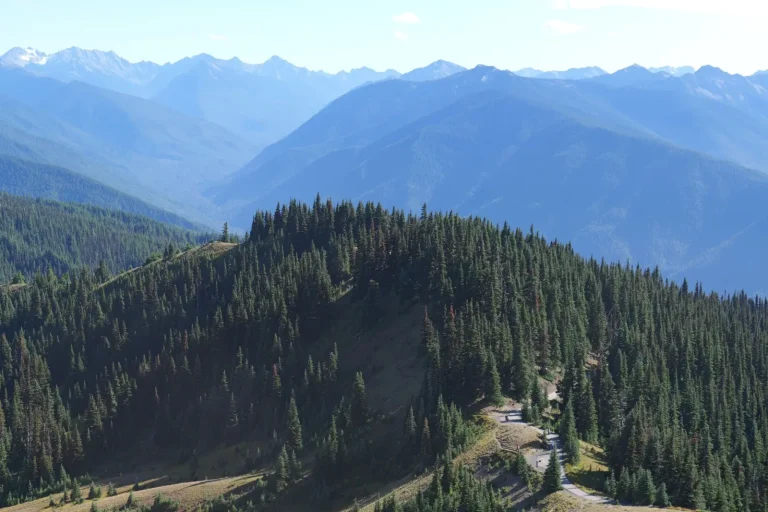
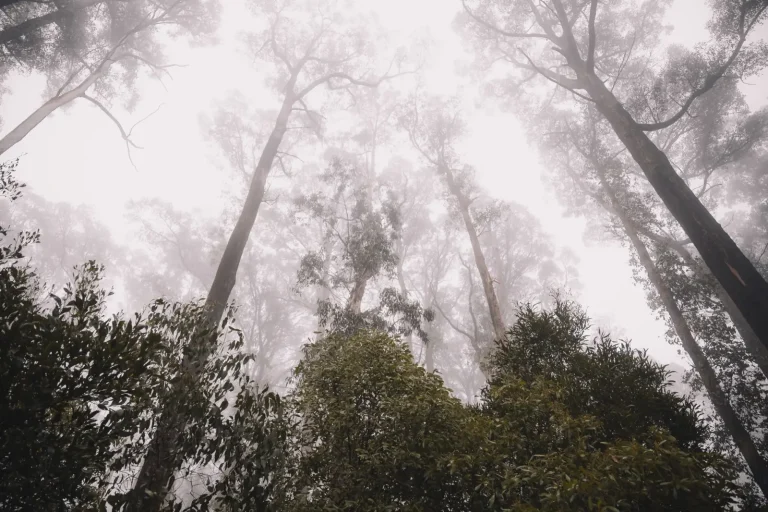
The rainforest itself is dense and green. There are no dramatic vistas from the top, no panoramic payoff that justifies the effort. What you get instead is immersion in a specific ecosystem. The canopy is thick enough that it rarely feels hot, even in afternoon. The sound environment is dominated by insects and birds. The air smells like decomposition and growth simultaneously. For people expecting a scenic outlook or dramatic landscape, this can feel anticlimactic. For people comfortable with quieter, more introspective walking, it’s exactly what they came for.
The track attracts a steady stream of local walkers, particularly on weekends. It’s not crowded, but you’ll likely encounter other people. This changes the experience slightly – there’s a social element, occasional brief conversations at rest stops. Solo walking feels different again, more meditative but also requiring more self-reliance if something goes wrong.
Seasonal variation matters. Dry season (roughly May to October) offers easier conditions – less mud, lower humidity, fewer insects. Wet season (November to April) is when the track becomes genuinely challenging. The same walk that feels moderate in July feels significantly harder in January. If you’re planning a visit, timing your walk around the weather patterns makes a real difference to what you actually experience.
The park infrastructure is minimal. There’s a small parking area at the base, basic facilities, and not much else. This isn’t a destination with cafes or shops nearby. You come prepared or you don’t come. Most people manage fine with basic planning, but the lack of amenities means you need to be self-sufficient. Water, snacks, and a basic first aid kit aren’t optional.
Walking Paluma Range rewards people who show up with realistic expectations and appropriate preparation. It’s not a casual stroll, but it’s not a serious alpine expedition either. It sits in that middle ground where most of the difficulty comes from underestimation rather than genuine hazard. The people who struggle most are usually the ones who thought it would be easier than it is, not the ones who prepared properly for what it actually demands.