
Paluma Range sits in North Queensland’s wet tropics, and the wildlife there operates under conditions most people don’t anticipate before arriving. The rainforest is dense, humid, and unforgiving in ways that shape which animals thrive and which remain rare. After spending considerable time moving through these forests – early mornings, wet seasons, tracking specific species – certain patterns emerge that don’t make it into standard wildlife guides.
The range holds a particular slice of Australian biodiversity. It’s not the most famous rainforest in the country, but that’s partly why it remains relatively intact. The animals here have adapted to steep terrain, persistent moisture, and a canopy so thick that midday feels like dusk. Understanding what lives in Paluma Range means understanding the specific pressures of that environment.
The Amphibians and Why They Matter
Frogs dominate the wet season at Paluma. This isn’t casual observation – it’s the defining feature of moving through the forest between November and March. The calling alone is overwhelming. Species like the White-lipped Tree Frog and the Dainty Green Tree Frog are abundant, and their presence indicates water quality and habitat health. What’s less obvious is that their numbers fluctuate significantly year to year based on rainfall timing and temperature.
The smaller, ground-dwelling frogs are where the real diversity lives. The Eungella Torrent Frog and various species of Litoria occupy specific microhabitats – seepage areas, leaf litter near streams, rocky outcrops. These aren’t animals you stumble upon casually. You need to move slowly, stop regularly, and listen. The dry season reduces their visibility dramatically, and many tourists visit during winter months when frog activity is minimal.
Amphibians are also the first indicator of environmental stress. Chytrid fungus has affected populations in other parts of the wet tropics, and while Paluma Range has fared better than some areas, the risk remains. The presence of healthy frog populations – particularly in their breeding sites – signals that the ecosystem’s foundation is still functioning.
Reptiles in the Canopy and on the Ground
Snakes are present but not abundant in the way visitors often imagine. The carpet python, the most commonly encountered species, is genuinely shy. You might spend weeks in the forest and see none. The Amethystine Python, larger and more impressive, is even rarer in terms of encounters. Ground-dwelling snakes like the Red-bellied Black Snake exist here, but they’re not aggressive and tend to move away from human activity.
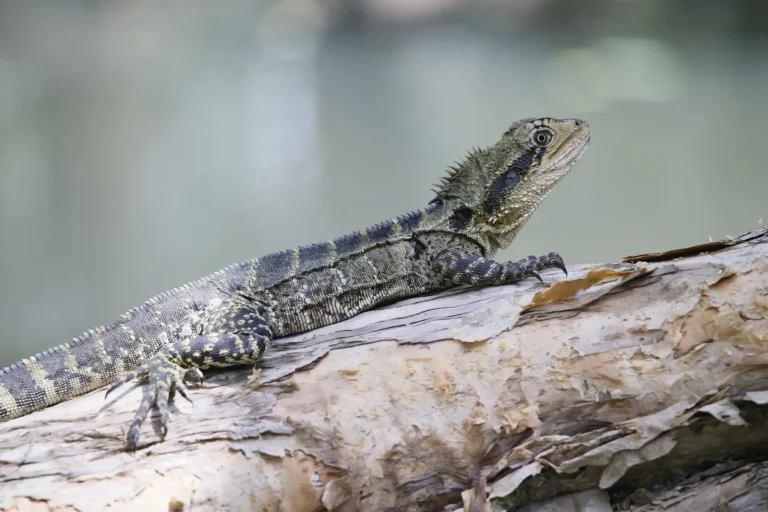
What surprises most people is how many reptile species are arboreal and nocturnal. Geckos and skinks occupy the canopy and mid-story levels, rarely descending to ground level. The Northern Leaf-tailed Gecko is present but cryptic – you could walk past one without noticing it. Monitors are present but not common in the densest sections of forest; they prefer more open areas and forest edges.
Birds: Abundance vs. Visibility
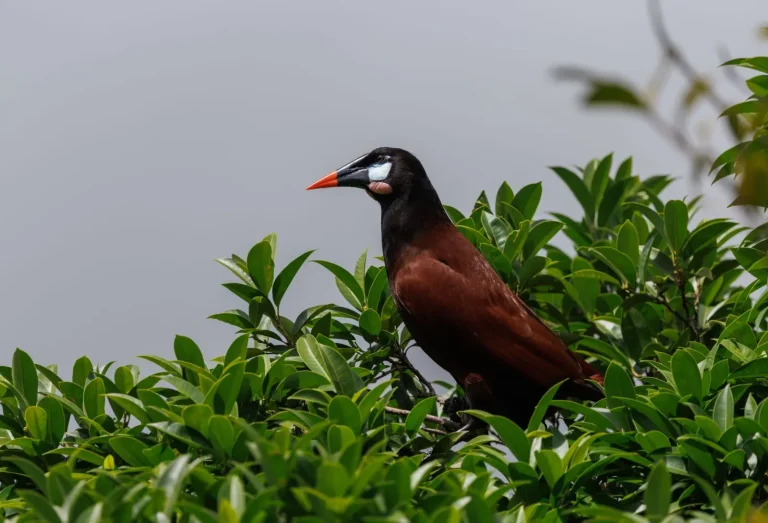
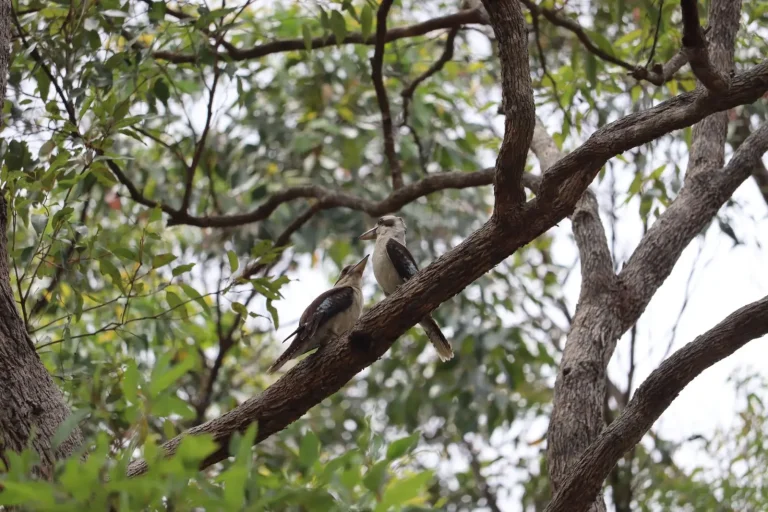
Bird diversity at Paluma Range is genuine, but the experience of observing it is constrained by the forest structure itself. The canopy is so dense that many species remain unseen despite being present. You hear them constantly – the calls of Wompoo Fruit-Doves, Macleay’s Honeyeaters, and various parrot species – but seeing them requires patience and often binoculars pointed upward into green obscurity.
The Pied Monarch and other small insectivores are active in the mid-story, flitting through gaps in the foliage. Larger species like the Magnificent Riflebird do occasionally descend to more visible levels, particularly in areas with fruiting trees. The Australian Owlet-nightjar is present but nocturnal and cryptic. Early morning is genuinely the best time for bird observation, though even then the forest’s density limits what you can actually see.
Seasonal movement is significant. Some species are more common during fruiting seasons when food sources concentrate in accessible areas. The arrival of migratory species changes the bird community between seasons. Winter brings different species than summer, and understanding these shifts matters if you’re trying to encounter specific birds.
Mammals: Mostly Nocturnal, Mostly Elusive
The larger mammals of Paluma Range are present but rarely encountered during daylight. The Lumholtz’s Tree-Kangaroo is genuinely there, but seeing one requires either luck or night spotlighting, and even then success isn’t guaranteed. These animals are adapted to moving through the canopy and mid-story at night, feeding on leaves and fruit. During the day they rest in dense cover.
Possums are more commonly encountered, particularly the Lemuroid Ringtail Possum and the Herbert River Ringtail Possum. Night walks reveal their presence more reliably than day walks. They’re not aggressive but they’re not particularly interested in human observation either. The Musky Rat-Kangaroo, a small ground-dwelling marsupial, is present and active during the day but easily overlooked because of its size and the dense leaf litter it inhabits.
Bats are abundant, particularly in the evening hours. Multiple species use the forest for feeding, and their presence is often more audible than visible – the sound of wings and echolocation calls. The Spectacled Flying Fox, a large fruit bat, may be encountered in areas with fruiting trees, though populations have fluctuated due to habitat loss elsewhere in their range.
Invertebrates and the Ecosystem’s Foundation
The invertebrate fauna at Paluma Range is where the real complexity exists, though it’s rarely the focus of visitor attention. Insects, spiders, crustaceans, and mollusks constitute the vast majority of animal biomass and species diversity. The rainforest floor and leaf litter contain thousands of species, many undescribed.
Specific invertebrates signal ecosystem health. The presence of certain beetle families, the abundance of millipedes and centipedes, the diversity of ants – these indicate that decomposition processes are functioning, that nutrient cycling is active. The absence of invertebrate diversity would signal serious ecological stress far more reliably than the presence or absence of charismatic megafauna.
Spiders are particularly diverse. Web-building species occupy the canopy and mid-story, while hunting spiders move through leaf litter and on tree trunks. The Huntsman spiders are large and conspicuous but harmless. The smaller, more cryptic species are far more numerous and ecologically important.
Practical Realities of Observing Paluma Range Wildlife
Visibility in the rainforest is genuinely limited. The expectation that you’ll see abundant wildlife during a casual walk is unrealistic. The animals are there, but the forest’s structure – the density of vegetation, the layering of canopy, understory, and ground cover – means that observation requires specific conditions and often specific times of day or season.
Early morning offers the best window for activity observation. Most animals are more active in cooler, less bright conditions. The wet season brings more visible activity overall, though the weather becomes less pleasant for human visitors. The dry season offers better visibility and more comfortable conditions, but animal activity decreases correspondingly.
Guided walks with experienced naturalists significantly improve observation rates, not because the animals are more present but because an experienced observer knows where to look, what sounds indicate what species, and how to move through the forest without disturbing wildlife unnecessarily. Self-guided exploration is possible but requires realistic expectations about encounter rates.
The wildlife of Paluma Range exists in a functioning rainforest ecosystem where most animals remain hidden by design. The forest’s health is reflected not in how many animals you see, but in the diversity and abundance of species present, most of which operate outside human observation. This is how tropical rainforests actually function – not as open-air zoos, but as complex systems where visibility is incidental to ecological reality.