
The Mount Warning region draws walkers with the promise of subtropical rainforest, volcanic geology, and relatively accessible trails. What you encounter on the ground, however, depends heavily on which walk you choose and what season you arrive in. I’ve spent enough time moving through these forests to recognize that the experience sits somewhere between what the brochures suggest and what your legs will actually tell you by midday.
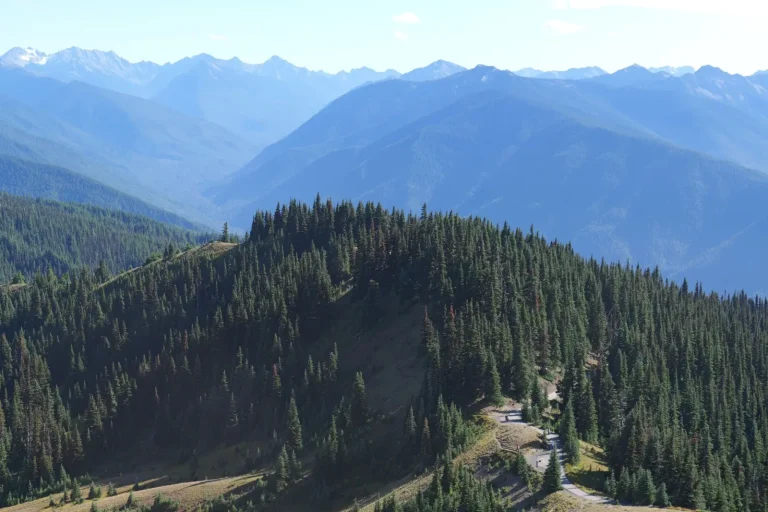
The region’s forest character changes noticeably depending on elevation and aspect. The lower subtropical rainforest near Minyon Falls and around the creek systems is dense, humid, and botanically rich. The canopy closes overhead quickly, and the air feels thick even on cooler days. Higher up, where you’re approaching the caldera rim or moving through the volcanic plateau, the forest opens slightly and the walking rhythm changes. This isn’t a minor detail. The same walk in different sections of the region can feel like two entirely different experiences.
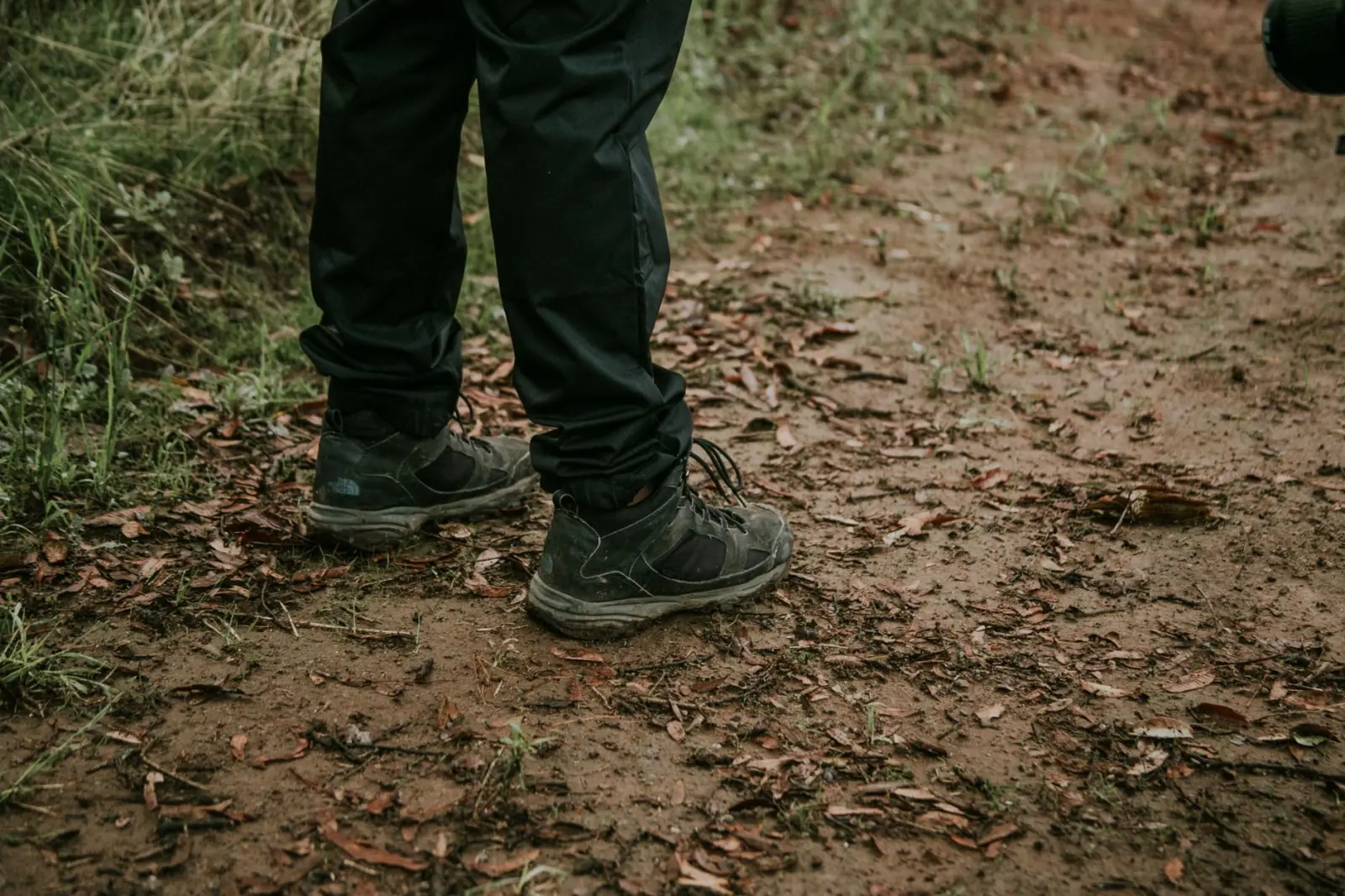
What catches most walkers off guard is the mud and root density. Even on days without recent rain, the forest floor holds moisture. The combination of high humidity, dense vegetation, and volcanic soil means the ground stays soft and unstable underfoot. Roots aren’t just obstacles – they’re the primary surface you’re actually walking on in many sections. This changes your pace fundamentally. You can’t settle into a steady rhythm the way you might on a cleared trail. Your foot placement becomes deliberate, almost constant problem-solving.
The Physical Reality of Subtropical Rainforest Walking
Fatigue accumulates differently in rainforest conditions than on open hillside. The constant attention required for foot placement, the humidity working against your breathing, and the mental load of navigating dense vegetation combine to create a tiredness that isn’t purely muscular. After a few hours, you notice it in your concentration as much as your legs. This matters because it affects how you judge distance and time remaining. A walk that’s theoretically 8 kilometers can feel substantially longer once you’re in the middle of it.
Temperature regulation is another practical consideration. The canopy keeps direct sun off, which sounds pleasant until you realize it also prevents air movement. On warm days, the forest becomes a humid, still environment where sweat doesn’t evaporate efficiently. Your body temperature climbs steadily, and cooling down requires either shade breaks or moving to higher, more open sections. Dehydration sneaks up faster than you’d expect because the lack of direct sun makes you feel less hot than you actually are.
Water crossings are frequent in this region, and they’re not always straightforward. Creeks that appear minor on maps can be substantial obstacles during or after rain. The volcanic rock creates slippery surfaces, and the water moves with real force when flows are high. I’ve seen walkers make poor decisions at creek crossings because they’ve underestimated the current or overestimated their grip on wet stone. The safe approach is to turn back if a crossing feels uncertain, but that’s easier to say than to do when you’re committed to completing a walk.
Seasonal Variation and Weather Patterns
The Mount Warning forests respond dramatically to seasonal change. Summer brings higher humidity, more insects, and increased risk of sudden storms. Winter is drier and more pleasant for walking, but the reduced water flow in creeks can be deceptive – storms still come through quickly, and the forest drains less efficiently when vegetation is less active. Spring and autumn offer the most stable conditions, though autumn can produce unexpected warm spells that bring humidity back.
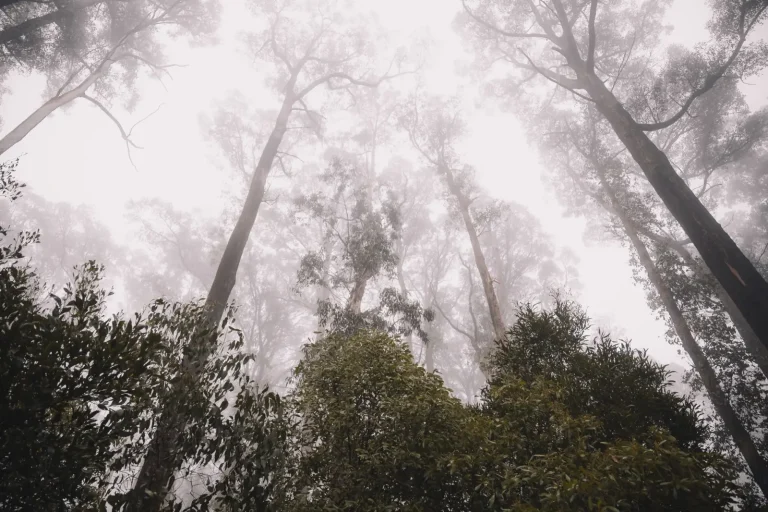
Mist and cloud are persistent features, especially in the caldera area and on the higher ridges. This isn’t just atmospheric – it affects visibility, temperature, and how you navigate. A walk that’s straightforward in clear conditions becomes genuinely disorienting when you can’t see more than 20 meters ahead. Trail markers become essential rather than optional, and your mental map of the landscape collapses.
Weather changes quickly. I’ve started walks in clear conditions and encountered heavy rain within an hour. The forest canopy provides some shelter, but not complete protection. More importantly, rain changes the forest floor instantly. Mud deepens, roots become slicker, and the overall walking difficulty increases noticeably. This is why starting early matters – it gives you time to retreat if conditions deteriorate, rather than pushing deeper into the forest as light fades.
Navigation and Route Finding
Trail quality varies considerably across the region. Some walks are well-maintained and clearly marked. Others rely on less obvious markers and require genuine attention to stay on track. The forest canopy is dense enough that GPS becomes less reliable in some sections, and paper maps don’t always capture the actual ground conditions. Experienced walkers in this region develop a feel for the terrain and learn to read the subtle signs – worn earth, blazes, and the general flow of the landscape.
Getting lost isn’t catastrophic if you stay calm, but it’s genuinely possible. I’ve encountered walkers who’ve wandered off trail and spent hours retracing their steps. The forest doesn’t feel immediately threatening, which is part of the problem. You can walk confidently in the wrong direction for longer than you’d expect before realizing something’s wrong. Carrying a physical map, starting with routes you know, and being willing to turn back are the practical safeguards.
Practical Considerations for Walking
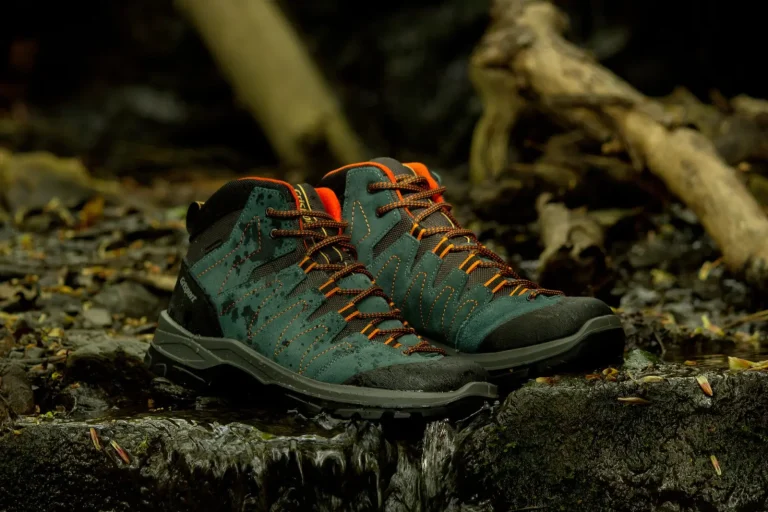
Footwear matters more than casual walkers often assume. Shoes with good grip and ankle support reduce the constant micro-adjustments your feet make on unstable ground. Lightweight hiking boots work better than trail runners in this environment, though they’re heavier and hotter. The trade-off is worth it if you’re spending hours on slippery volcanic rock and roots.
Insect pressure varies seasonally but is always present. Leeches are the most notable nuisance during warm, wet months. They’re not dangerous, but they’re persistent and psychologically taxing. Insect repellent helps with mosquitoes and other biting insects, though nothing stops leeches completely. Long sleeves and pants reduce exposure, but they add heat stress in an already humid environment. Most walkers develop a tolerance and learn to manage rather than eliminate the problem.
The forest demands respect without demanding fear. The risks are real – slippery surfaces, creek crossings, disorientation, weather changes – but they’re manageable with attention and realistic self-assessment. The walkers who struggle most are typically those who underestimate the physical and mental demands, not those who approach the forest with caution and appropriate preparation.