
The Blue Mountains sit west of Sydney, and the forests there have a particular character that doesn’t fully reveal itself until you’re moving through them on foot. Most people arrive with expectations shaped by photographs – the famous cliff views, the eucalyptus haze, the sense of wilderness. What they encounter instead is something more textured and demanding. The forests are dense in places where you don’t expect them, open in others where you thought they’d be impenetrable. The rhythm of walking here is different from other Australian bushland, and understanding that rhythm matters more than any itinerary.
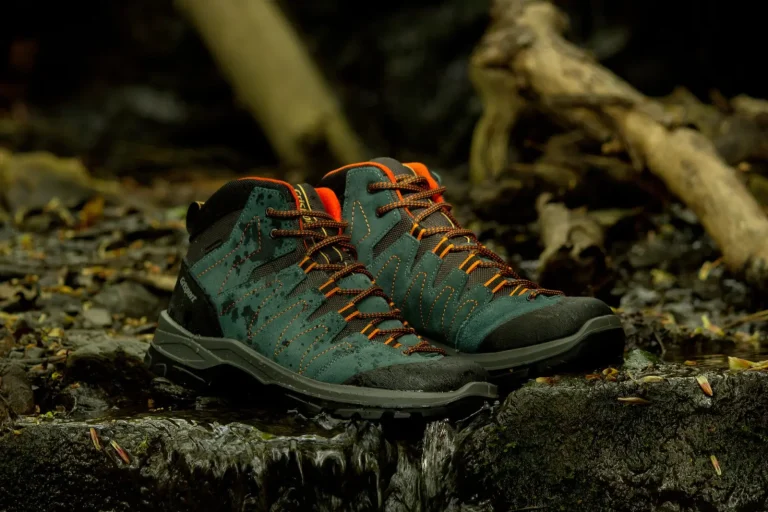
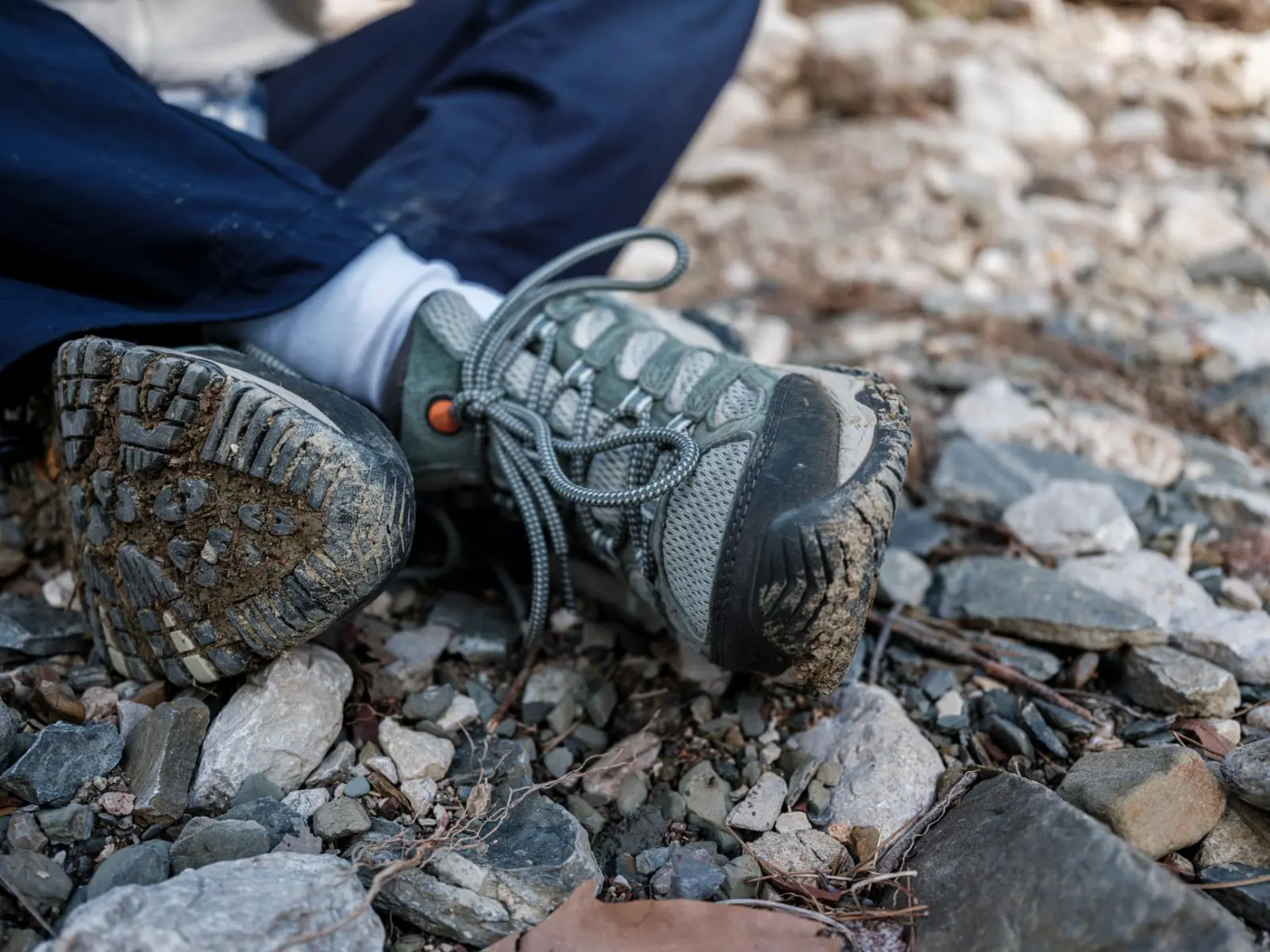
The terrain itself is the first thing that catches people off guard. The Blue Mountains aren’t particularly high – the elevation gain on most walks sits between 300 and 600 meters – but the ground is unforgiving. The rock underfoot is often sandstone, which breaks into sharp, irregular pieces. After rain, which comes frequently enough that you should assume wet conditions, this becomes slippery in a way that feels almost deliberate. Boots with proper grip aren’t optional here; they’re essential. I’ve watched people in trail runners struggle on sections that felt straightforward in dry conditions, and I’ve seen experienced hikers take unexpected tumbles because they underestimated the texture of wet sandstone.
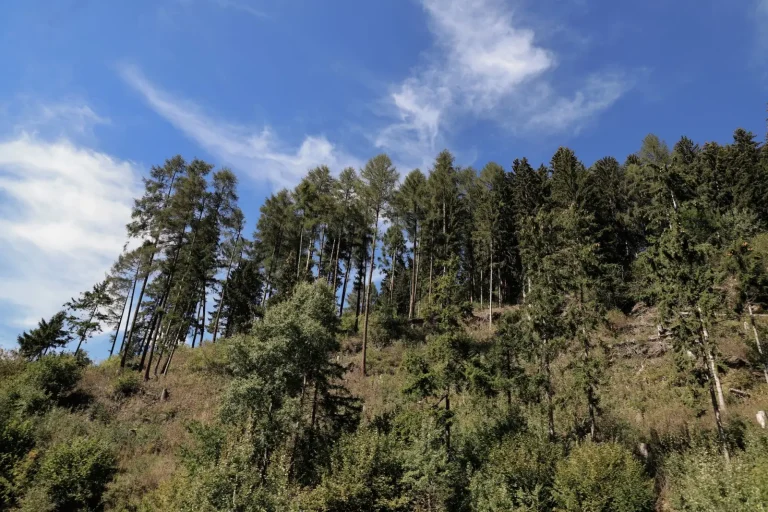
What also surprises most walkers is how quickly the forest closes in. The Blue Mountains are often imagined as open vistas – and they are, in specific locations – but the actual walking experience involves moving through thick eucalyptus and acacia forest for long stretches. The canopy is dense enough that even on clear days, the light feels muted. This affects both navigation and pace. You move slower than you would on open trails, not because of steep grades but because the ground is technical and the vegetation requires attention. A walk that might take two hours on a well-maintained trail elsewhere can take three or four hours in these forests, and that’s without stops.
Water and the Landscape
The Blue Mountains have more water moving through them than you’d expect from the rainfall alone. Creeks appear suddenly, and they’re often deeper than they look. During wet seasons, crossings that are simple rock-hopping in summer become genuine obstacles. I’ve seen the same creek change character completely between morning and afternoon after rain upstream. This isn’t a dramatic event – the water doesn’t rage or surge – but it’s enough to make a planned route impassable. The forest floor around these creeks stays wet for days after rain stops, which means mud, slippery rocks, and sections where your boot simply doesn’t grip as intended.
The water itself is cold year-round. If you slip and end up in a creek – which happens more often than people admit – the shock is real. I’ve seen walkers who were fine with the fall but genuinely distressed by the water temperature. This matters for planning. Changing clothes after a water crossing isn’t just about comfort; it’s about maintaining core temperature and avoiding the fatigue that comes with wet clothing in a cool forest.
The Fatigue Factor and Pacing
Walking through these forests is tiring in a way that’s difficult to predict beforehand. The constant technical footing, the uneven terrain, and the mental engagement required to navigate safely all accumulate. People often underestimate this and set off on longer walks than they should. A six-kilometer walk in the Blue Mountains feels substantially longer than six kilometers on a maintained trail elsewhere. By the time you’ve been moving for three hours, the fatigue is noticeable, and it affects judgment. That’s when people start taking risks – rushing over rocks, not testing their footing, making navigational errors.
The best approach is to plan for less distance than you think you can manage and build in rest time. Sitting by a creek for twenty minutes isn’t wasted time; it’s part of the walk. It allows your legs to recover, your breathing to settle, and your attention to reset. I’ve found that walkers who do this consistently report better experiences and fewer incidents than those who push through continuously.
Navigation and Waymarking
The Blue Mountains have established walking tracks, and most are reasonably well-marked. But “well-marked” in a dense forest is relative. Paint blazes on trees fade. Fallen branches obscure the path. In sections where the forest opens slightly, it’s easy to wander off the main route without immediately realizing it. GPS helps, but it’s not foolproof – signal can be patchy under dense canopy, and a dead battery is a real problem out here.
The most reliable approach is to walk with a paper map and compass, even if you also have a GPS device. This sounds old-fashioned, but it’s practical. A paper map doesn’t fail, and the act of regularly checking it keeps you engaged with your location. I’ve noticed that walkers who navigate actively – checking their position, understanding the terrain ahead – rarely get lost, while those who rely entirely on a device and follow it passively sometimes end up in unexpected places.
Some sections of track are more ambiguous than others. The Wentworth Falls walk, for instance, has multiple junctions where the main path isn’t immediately obvious. The Prince Henry Cliff Walk has sections where the track narrows and the forest becomes very dense, which can feel disorienting if you’re not expecting it. These aren’t dangerous places, but they require attention.
Weather and Visibility
The Blue Mountains generate their own weather. You can leave Sydney in clear conditions and arrive at the mountains to find cloud rolling through the valleys. This cloud isn’t dramatic – it’s not a storm – but it significantly reduces visibility. Walking through forest in mist changes the experience. The sense of scale disappears. You lose the visual cues that help you gauge distance and direction. A walk that feels open and airy in clear weather can feel claustrophobic in cloud.
Temperature also drops noticeably with elevation, and wind can be stronger than expected on exposed ridges. I’ve seen walkers in t-shirts and shorts start shivering after an hour at higher elevations, particularly if the weather shifts. Carrying a light layer isn’t paranoia; it’s practical. The mountains change quickly, and having an extra layer takes up minimal space.
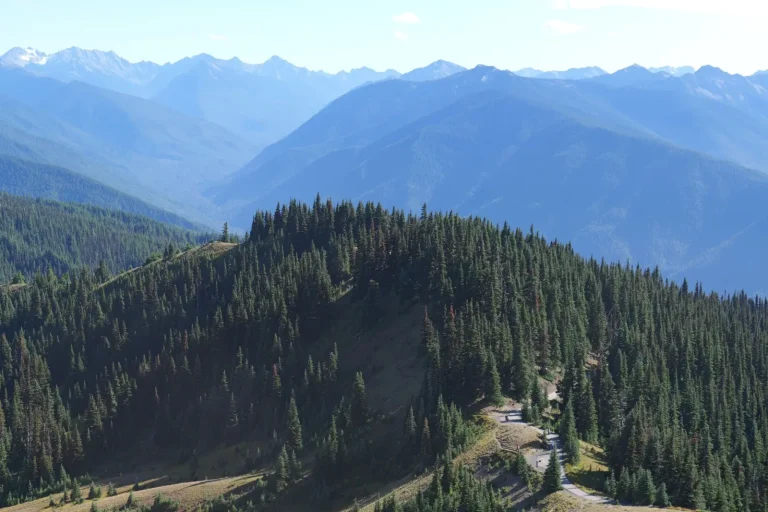
The famous blue haze – caused by eucalyptus oil particles in the air – is real, and it affects how far you can see. On clear days, the views across the valleys are spectacular. But that haze also means visibility is often less than you’d expect at similar elevations elsewhere. This is worth knowing if you’re walking specifically to see distant views. Some days, the haze is minimal. Other days, it’s thick enough that you can’t see across a valley that should be visible.
Time and Daylight
The forest canopy means daylight changes quickly. Even though the sun might be up, the light under the trees fades noticeably in late afternoon. If you’re walking a longer route and lose track of time – which happens easily when you’re focused on footing and navigation – you can suddenly find yourself moving through forest in much dimmer light than you realized. A headlamp is essential if there’s any chance you’ll be walking after about 4 PM, depending on the season and cloud cover.
I’ve walked these forests hundreds of times, and I still respect the light. Starting early matters not just for completing a walk but for doing it safely. A walk that feels straightforward at 2 PM can feel significantly more challenging at 5 PM, not because the terrain has changed but because the conditions have.
The Blue Mountains reward careful attention and realistic pacing. They’re not extreme terrain, and they’re not dangerous in any absolute sense. But they’re unforgiving of inattention and overconfidence. The forests demand respect for the conditions, for the technical nature of the ground, and for the fatigue that accumulates over hours of technical walking. When you move through them with that respect, they’re genuinely rewarding.