
Mount Hypipamee sits in the Atherton Tablelands, a pocket of rainforest that feels isolated even though it’s accessible by road. The crater itself is the draw for most visitors – a sinkhole lake surrounded by steep walls – but the real texture of the place emerges when you move beyond the main lookout and into the surrounding forest. I’ve walked these trails multiple times across different seasons, and the experience shifts considerably depending on when you arrive and how much time you’re willing to spend away from the carpark.
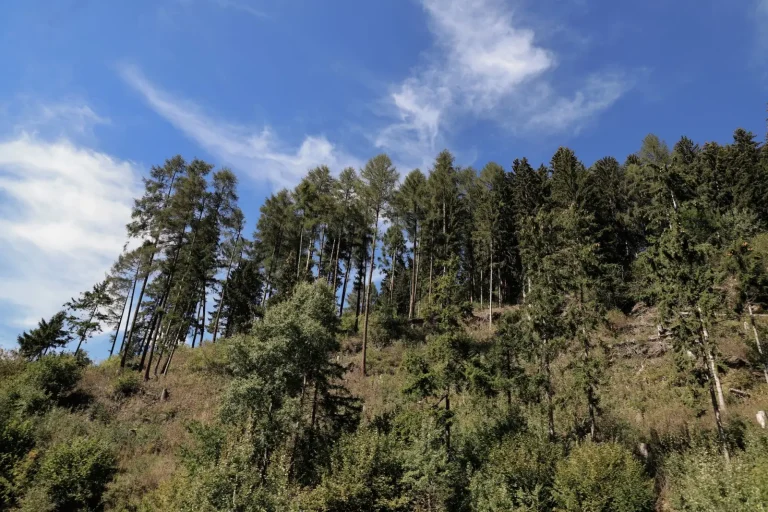
The forest around the mountain isn’t uniform. You move through sections of closed rainforest where the canopy is so dense that midday feels like dusk, then into more open areas where eucalypts dominate and light reaches the ground. This variation matters practically. The dense sections stay damp and cool even after dry spells, while the more open areas dry out faster and can be slippery in different ways. The soil composition changes too – some sections are loose volcanic substrate that shifts underfoot, others are compacted and stable. Recognizing these shifts helps you adjust your pace and footing without thinking about it consciously.
Timing and the Weather Pattern
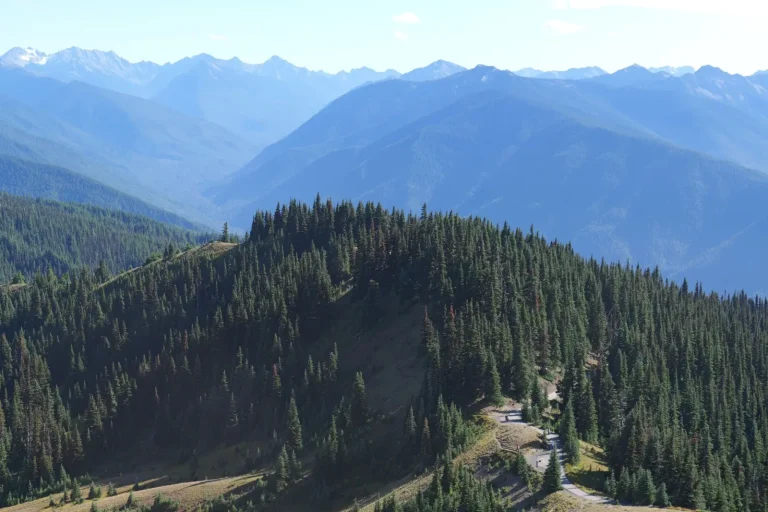
The Atherton Tablelands sits at elevation, roughly 600 to 900 meters above sea level depending on where you are. This means the weather doesn’t follow the coastal pattern you might expect from Far North Queensland. Morning mist is common, even in the dry season. I’ve arrived at 8 AM expecting clear conditions only to find visibility reduced to 30 meters. The mist usually burns off by mid-morning, but if you’re walking early, you need to accept that the views and your sense of distance will be compressed.
Rain here is heavy when it comes. The wet season brings genuine downpours, and even in the dry months, afternoon showers are possible. The forest floor absorbs water quickly, but tree roots create natural channels where water collects, and these sections become treacherous within minutes of rain. I’ve seen walkers slip on what looked like solid ground but was actually moss-covered rock with water running beneath it. The risk isn’t dramatic – you’re unlikely to fall far – but it’s enough to slow you down and make you question your footing constantly, which is tiring over a few hours.
The Trails and What to Expect
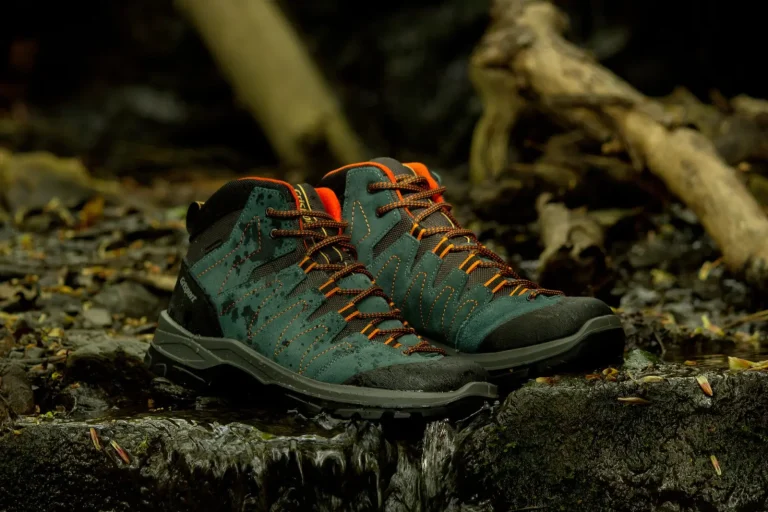
The main circuit around the crater is well-marked and takes roughly 30 to 45 minutes at a normal pace. It’s steep in sections, particularly the descent to the lake level, and the steps can be uneven. The railings help, but they’re not continuous, and the steepness means you’re constantly managing your weight distribution. If you’re doing this walk, wear shoes with decent grip. The forest floor itself is often slick with leaf matter and moisture, regardless of recent rain.
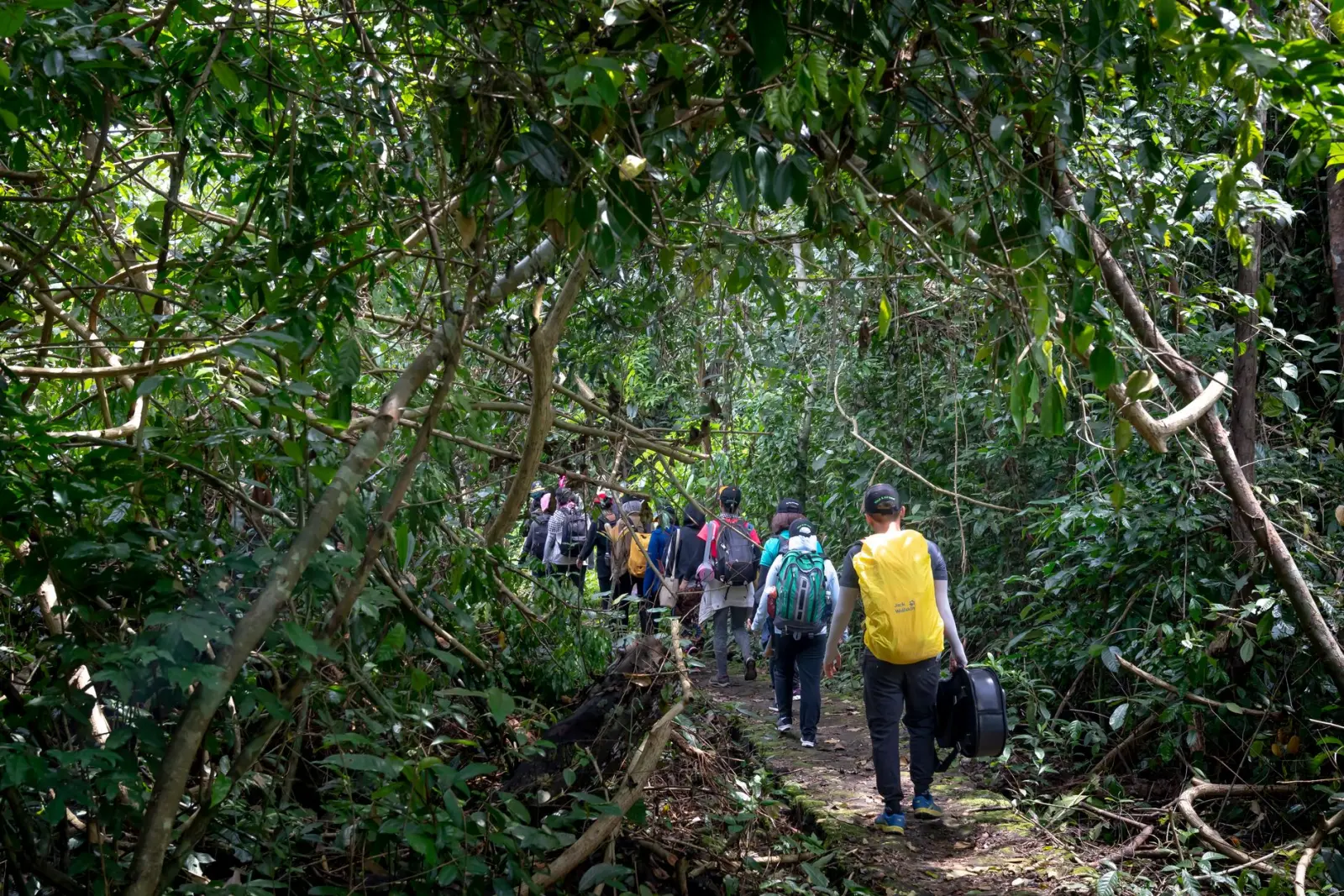
Beyond the main circuit, there are less-traveled sections. The walking tracks that branch off toward the surrounding forest are quieter, and the condition varies. Some are maintained reasonably well; others are overgrown enough that you’re brushing vegetation constantly. This isn’t a problem in itself, but it means you move more slowly, and your awareness of where your feet are needs to be higher. The forest floor here is less compacted, which can be good – better grip – or problematic if you step on something that shifts.
One thing I’ve noticed repeatedly is that walkers often underestimate the time needed to explore beyond the main lookout. The forest doesn’t telegraph distance well. A section that looks like it might be a 15-minute walk can easily take 40 minutes because the terrain is uneven, the track narrows, and you’re picking your way more carefully. If you’re planning to venture into the quieter sections, add time generously to whatever you think you’ll need.
Wildlife and Vegetation Awareness
The rainforest here supports significant wildlife. You’re unlikely to encounter anything dangerous, but you’ll see evidence of it – scat, disturbed leaf litter, feeding marks on trees. The bird life is substantial. Early morning is best for this; the forest is active and vocal. Snakes are present, though encounters are rare. The real issue is simply being aware that you’re moving through habitat, not a park. This affects how you walk. You’re less likely to surprise an animal if you’re moving steadily and making noise rather than stopping frequently and being quiet.
The vegetation itself demands attention in certain sections. Lawyer vines – thin, thorny climbing plants – are present in patches. They don’t cause serious injury, but they catch on clothing and skin, and they’re annoying enough that you’ll want to avoid them. Some sections have dense undergrowth that makes the track harder to follow. This is where people sometimes get turned around, not because they’re lost in any serious sense, but because the path becomes unclear and they second-guess their direction. Staying on the main track is straightforward; straying into the side vegetation is when confusion happens.
Physical Demands and Fatigue
The walks here are moderate in difficulty, but they’re more demanding than they appear. The combination of steep sections, uneven ground, and the constant attention required for footing adds up. I’ve seen people arrive expecting a casual 30-minute stroll and find themselves genuinely tired by the end. It’s not about fitness necessarily; it’s about the specific demands of rainforest walking. Your legs work differently on uneven terrain, and your core is engaged constantly for balance. If you’re doing more than the main circuit, you’re looking at a solid 2 to 3 hours of this, which is fatiguing even if you’re reasonably fit.
The humidity adds a layer to this. Even in the dry season, the forest holds moisture. You’ll sweat, and the sweat doesn’t evaporate efficiently. This feels uncomfortable but also affects your energy levels. You dehydrate faster than you might expect, and the physical effort feels heavier than it would in drier conditions. Carrying water is essential, and carrying more than you think you’ll need is practical.
The forest around Mount Hypipamee rewards time and attention. It’s not a place where you move quickly or casually. The best experience comes from accepting the pace the terrain dictates, paying attention to where you’re stepping, and allowing extra time for sections that look straightforward. The crater itself is impressive, but the forest is where the actual experience lives – in the texture of the ground, the density of the vegetation, the quality of light, and the constant small adjustments your body makes to stay balanced and safe.